How to Use Regular Glass Cleaner Safely on My Car
Many car owners struggle with keeping their vehicle’s windows crystal clear without streaks or damage. It’s a common challenge, but with the right approach, you can achieve a spotless, streak-free shine.
To use regular glass cleaner safely on your car, start by washing your vehicle to remove loose dirt.
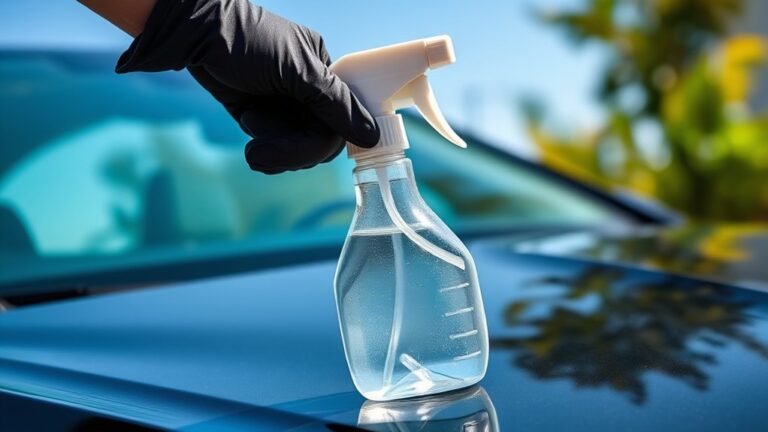
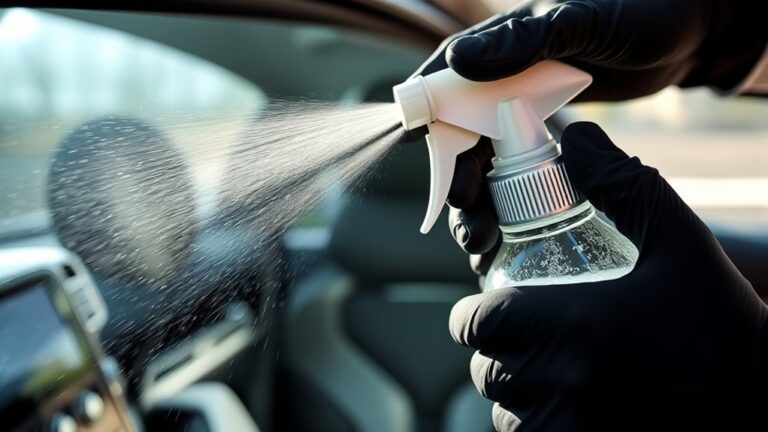
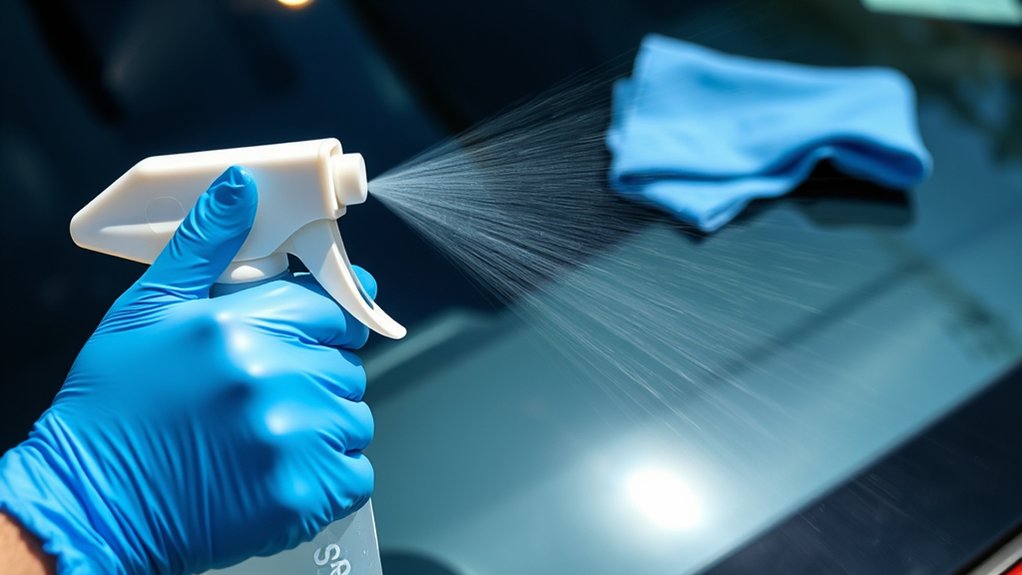
Spray the cleaner directly onto the glass, avoiding overspray on the paint or rubber seals. Use a soft microfiber cloth in a circular motion for even coverage and avoid applying harsh pressure.
Wipe dry with a clean section of the cloth to prevent streaks.
For more tips on protecting your car’s finish and achieving a perfect shine, keep exploring.
Key Takeaways
- Choose ammonia-free glass cleaners to avoid damaging tint and rubber seals.
- Rinse your windows thoroughly before applying the cleaner to get rid of loose dirt.
Spray the cleaner directly onto the glass, but be careful to avoid overspray on other surfaces.
Use a clean microfiber cloth and wipe in circular motions. This helps get a streak-free finish and keeps your windows looking clear.
Finally, dry and buff the glass with a soft cloth. This step prevents streaks and water spots, leaving your windows sparkling clean.
Why Is It Important to Use Glass Cleaner Safely on Your Car?
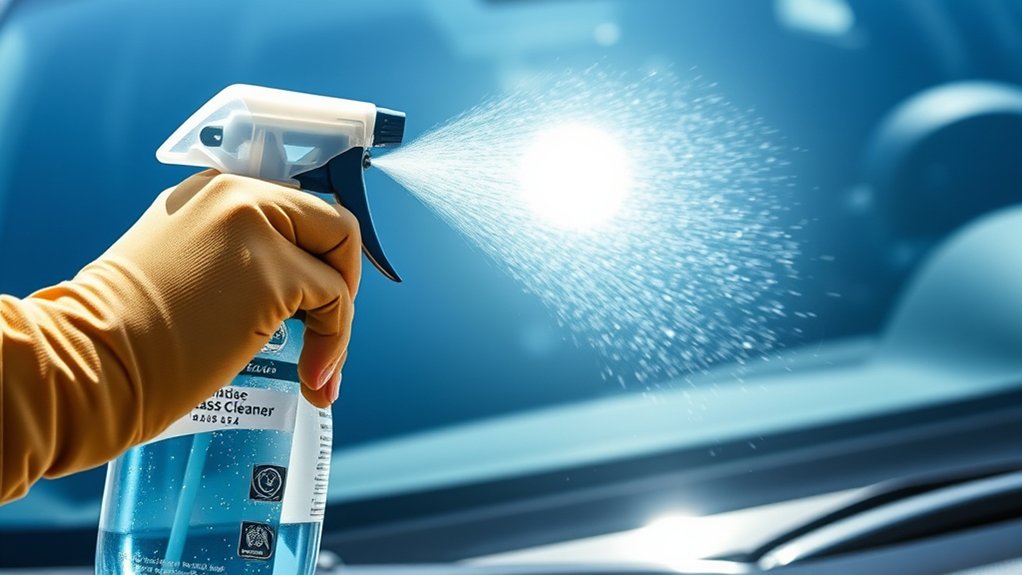
Using glass cleaner safely on your car is essential because improper use can cause damage to your vehicle’s surfaces or pose health risks. Harsh chemicals or incorrect application can scratch or stain your glass and paint.
Proper glass cleaner use protects your car’s surfaces and your health from damage and harmful fumes.
For example, using too much cleaner or abrasive cloths might leave streaks or scratches on your windshield or windows. Inhaling fumes from strong cleaners can irritate your respiratory system or cause allergic reactions.
If you don’t follow safety guidelines, you risk harming yourself and your vehicle. Protecting your car’s surfaces and your health means understanding the proper techniques and choosing the right products.
Taking these precautions guarantees a clean, streak-free finish without damaging your vehicle or risking your well-being.
How to Choose the Best Glass Cleaner for Your Car
Are you unsure which glass cleaner is best for your car? To choose the right one, consider these factors:
- Visibility of ingredients: Look for cleaners with ammonia-free formulas to avoid damaging tint and rubber seals.
- Ease of use: Pick a spray that’s simple to apply evenly and dries quickly to prevent streaks.
- Streak-free results: Check reviews for cleaners known to leave your glass crystal clear without any residue.
- Compatibility: Make sure the cleaner is safe for automotive glass, especially if your car has tinted windows.
Should You Wash Your Car Before Applying Glass Cleaner?
Yes, you should wash your car first to get rid of loose dirt and debris.
This helps prevent scratching the glass when you’re cleaning it.
A clean surface also makes the glass cleaner work better and more effectively.
Remove Loose Dirt
Before applying glass cleaner, it’s important to remove loose dirt and debris from your car’s surface. Dirt can scratch the glass or make cleaning less effective.
Start by rinsing the windows with water to loosen stubborn particles. Then, gently wipe the surface with a microfiber cloth or sponge to lift dirt without scratching.
Avoid using abrasive materials that could damage the glass. Be sure to reach all corners and edges for a thorough clean.
If needed, use a car-specific wash solution for stubborn grime, then rinse again. This process ensures the glass is free of loose dirt, so your cleaner works effectively and safely.
Properly removing debris helps maintain your car’s glass clarity and prevents scratches during cleaning.
Prevent Surface Damage
Washing your car before applying glass cleaner helps guarantee a streak-free finish and prevents scratches. Dirt, dust, and debris on the surface can cause abrasions when you spray and wipe.
If you skip washing, these particles can scratch the glass as you clean, leading to permanent damage. Use a gentle car shampoo and soft cloths or sponges to clean the surface thoroughly.
Rinse completely to remove any remaining dirt. Once the surface is clean and dry, apply the glass cleaner. This process minimizes the risk of surface damage, guarantees a clearer view, and leaves your windows streak-free.
Always inspect your car for any stubborn debris before applying glass cleaner. Avoid cleaning in direct sunlight to prevent streaks.
How to Prepare Your Car for Exterior Cleaning
To guarantee your car’s exterior cleaning is effective and avoids damage, start by gathering the necessary supplies, including a gentle car wash soap, microfiber towels, and a hose or pressure washer. Preparing your vehicle properly helps facilitate a thorough clean without scratches.
First, remove loose dirt and debris by rinsing the car with water. Second, park in a shaded area to prevent soap and cleaner from drying too quickly. Third, close all windows and sunroofs to stop water from seeping inside.
Fourth, check that your cleaning supplies are clean and in good condition to avoid scratching the paint. Proper preparation sets the stage for an efficient cleaning process, keeping your car looking its best and protecting its finish.
Proper Techniques for Applying Glass Cleaner to Your Car
Spray glass cleaner directly onto the surface, focusing on the center of the glass and avoiding excessive overspray onto surrounding areas. This helps prevent cleaner from dripping onto paint or trim.
After spraying, use a clean microfiber cloth to wipe the glass in a circular motion. Apply gentle pressure to lift dirt and grime effectively.
For stubborn spots, spray again and hold the cloth a few seconds before wiping. Always work in sections to ensure a thorough clean.
How to Achieve a Streak-Free Finish When Cleaning Windows
To get a streak-free finish, use a proper cleaning technique by wiping in a consistent, circular motion.
Choose a soft, lint-free cloth to avoid leaving fibers or streaks behind. Also, clean your windows when the sun isn’t shining directly on them to prevent the cleaner from drying too quickly and causing streaks.
Use Proper Cleaning Technique
Achieving a streak-free finish when cleaning car windows requires paying close attention to technique. First, spray the cleaner evenly across the glass, avoiding overspray.
Second, use a clean, soft cloth or microfiber towel and wipe in a circular motion to lift dirt and distribute the cleaner. Third, switch to a dry section of the cloth and buff the glass with straight, vertical or horizontal strokes, which helps prevent streaks.
Fourth, inspect the window from different angles to identify any missed spots or streaks, then gently re-clean those areas. Proper technique guarantees dirt is removed without smudges, leaving your windows crystal clear.
Practice these steps consistently for a professional-looking, streak-free shine every time.
Choose the Right Cloth
Selecting the right cloth is key to getting a streak-free finish after applying glass cleaner. Use a soft, lint-free microfiber cloth to avoid leaving fibers or scratches on your car’s glass.
Microfiber is highly effective at trapping dirt and grease, ensuring a cleaner surface without smudges. Avoid using old or rough fabrics like paper towels or towels with coarse fibers, which can cause streaks and scratches.
Make sure the cloth is clean before you start. Dirt or debris trapped in the fabric can smudge your windows. Use a fresh section of the cloth if needed.
Gently wipe the glass in a circular or vertical motion. With the right cloth, you’ll achieve a clear, streak-free shine on your car’s windows.
Avoid Direct Sunlight
Cleaning your windows in direct sunlight can cause the cleaner to dry too quickly, leaving streaks and spots behind. To avoid this, try to work in a shady spot or during early morning or late afternoon. This gives the cleaner more time to do its job without drying too fast.
Here are four tips to help you get a streak-free finish:
- Work on overcast days or in shaded areas whenever you can.
- Use a microfiber cloth to prevent lint and streaks.
- Spray the cleaner evenly and sparingly so it doesn’t run or dry too fast.
- Wipe in a consistent, circular motion for even coverage.
Common Mistakes to Avoid When Using Glass Cleaner on Your Car
One common mistake to avoid is using glass cleaner on a dirty or dusty windshield, as this can cause scratches and streaks. When dirt and dust are present, spraying cleaner directly onto the surface can trap particles against the glass, leading to scratches during wiping. Always start by rinsing or gently wiping off loose debris before applying the cleaner.
Another mistake is using too much cleaner, which can leave residue and streaks. Use a moderate amount and a clean, soft cloth to avoid smearing. Also, avoid using glass cleaner on hot or sunny surfaces, as the product can evaporate quickly and leave streaks.
Finally, don’t forget to clean your cloth regularly. A dirty cloth can reintroduce dirt and cause more smudges.
Removing Tough Spots and Stubborn Dirt Safely
When facing tough spots or stubborn dirt on your car’s glass, it’s important to approach the task carefully to avoid damage. Use a gentle touch and avoid harsh scrubbing that could scratch the glass.
Tackle stubborn dirt gently to protect your car’s glass from scratches and damage.
Here’s how to do it safely:
- Spray a small amount of glass cleaner directly on the stubborn area.
- Let it sit for a few seconds to loosen grime.
- Use a soft microfiber cloth to gently wipe in circular motions.
- For persistent spots, apply light pressure with a clean cloth, or use a dedicated glass scraper if necessary, but be cautious.
Always test a small area first to guarantee no damage occurs. Patience and gentle techniques are key for safe, effective cleaning of stubborn dirt.
How to Dry Your Car Properly After Cleaning
After washing your car, it’s important to dry it thoroughly to avoid water spots and streaks. Grab a clean, soft microfiber towel and gently blot and wipe down the surface.
Be careful not to drag the towel across the paint, as this can cause scratches. Start at the top and work your way down, paying special attention to mirrors, door handles, and crevices where water tends to collect.
For larger surfaces, fold the towel to reveal a clean section and keep drying. If you notice water spots forming, buff them out right away with a dry part of the towel.
Take your time and be gentle. Make sure every inch is dry. Proper drying not only makes your car look better but also helps keep its finish in great shape over time.
Tips for Maintaining Your Car’s Finish After Cleaning
To keep your car’s finish looking great after cleaning, try to apply protective wax regularly. It’s a simple step that really makes a difference.
Use gentle cleaning techniques and steer clear of harsh scrubbing. This helps prevent scratches and damage to your car’s paint.
Following these easy tips will help preserve your car’s shine and keep it looking new longer.
Apply Protective Wax Regularly
Applying protective wax regularly is one of the best ways to keep your car’s finish looking shiny and new. It creates a barrier that protects your paint from dirt, UV rays, and environmental stuff.
To get great results, start by cleaning your car thoroughly so the surface is smooth. Then, pick a high-quality wax that suits your car’s paint type.
When applying the wax, use small, circular motions to spread it evenly. Let the wax cure for the recommended time before buffing it off with a clean microfiber cloth.
Waxing regularly not only boosts your car’s shine but also helps the paint last longer. Make it a habit, especially after washing, to keep your car looking its best.
Use Gentle Cleaning Techniques
Gently handling your car during cleaning helps preserve its finish and prevents scratches. Use soft, microfiber cloths to wipe surfaces, avoiding abrasive materials that can damage paint or glass.
When cleaning, apply light pressure instead of pressing hard; this reduces the risk of swirl marks. Work in small sections and always clean in straight, gentle motions rather than circular scrubbing.
Keep your cloth damp—not soaked—to avoid streaks and excess moisture. Use a mild cleaning solution, and rinse often to remove debris that could cause scratches.
Allow the surface to dry naturally or gently pat it dry with a clean, soft towel. These gentle techniques help maintain your car’s shine and protect its finish over time.
Avoid Harsh Scrubbing
Avoid harsh scrubbing when maintaining your car’s finish after cleaning, as it can cause micro-scratches and dull the paint. Instead, use gentle motions and proper tools.
Here are four tips to prevent damage:
- Use a soft microfiber cloth or sponge to clean surfaces.
- Apply light pressure and let the cleaner do the work.
- Rinse thoroughly to remove debris before wiping.
- Avoid circular scrubbing and use straight, gentle strokes.
Frequently Asked Questions
Can I Use Household Glass Cleaner on My Car’s Windows?
You can use household glass cleaner on your car’s windows, but do so carefully. Make sure it’s a non-ammonia, streak-free formula to avoid damaging your tint or paint.
Spray the cleaner on a soft cloth instead of directly on the glass, then wipe gently. It’s a good idea to test a small area first to see if it causes any reactions.
Regular cleaning with a suitable product helps keep your windows clear and streak-free.
Is It Safe to Use Glass Cleaner in Direct Sunlight?
No, it’s not safe to use glass cleaner in direct sunlight. When you spray it on hot glass, the cleaner can evaporate quickly, leaving streaks or spots.
The heat can also make the cleaner’s chemicals dry too fast, which might damage your windows or cause smudges.
It’s best to wait until the surface cools and choose a shady spot to clean your car’s windows for the best, streak-free results.
How Often Should I Clean My Car’s Windows?
You should clean your car’s windows every 2 to 4 weeks, depending on your driving conditions. Think of your windows as the eyes of your car—they need to be clear to see clearly.
Regular cleaning keeps dirt, bugs, and smudges at bay, which helps with safety and visibility. If you’re in a dusty or polluted area, you might want to do it more often.
Keep your view sharp and your drive safe!
Are There Specific Glass Cleaners for Tinted Windows?
Yes, there are specific glass cleaners made for tinted windows. Look for products labeled safe for tint, since some cleaners have ammonia or alcohol that can harm the tint film over time. Always check the label before buying.
When cleaning, spray the cleaner onto a soft cloth first, then wipe gently. This helps avoid scratching or lifting the tint. Using the right cleaner keeps your tinted windows looking good and lasting longer.
Can Glass Cleaner Damage My Car’s Paint or Trim?
Yes, glass cleaner can damage your car’s paint or trim if it contains harsh chemicals like ammonia or alcohol. These ingredients can strip away protective coatings or cause fading.
To avoid damage, choose a cleaner specifically made for automotive glass or labeled safe for cars. Always spray it onto a soft cloth first, not directly on the glass or nearby areas.
This helps prevent overspray onto sensitive surfaces and keeps your car looking its best.
Conclusion
Using glass cleaner safely on your car keeps your visibility clear and your finish shiny. Did you know that improperly cleaning windows can reduce visibility by up to 70%?
By choosing the right cleaner, applying it correctly, and avoiding common mistakes, you help protect your car’s paint and glass. Regular, careful cleaning improves your driving safety and preserves your vehicle’s value.
Stay diligent, and your car will look great and perform better for years to come. Using glass cleaner safely on your car is key to maintaining clear windows and a spotless finish.