Can Car Air Filters Be Cleaned?
Are you tired of constantly replacing your car’s air filter or worried about the cost? You’re not alone—many car owners struggle with keeping their filters clean and functioning properly.
Luckily, knowing how to clean your air filter can save you time and money.
Yes, you can clean your car’s air filter if it’s designed to be reusable. Reusable filters can be washed with mild soap and gentle brushing, but disposable filters shouldn’t be cleaned—they need replacing.
It’s important to follow proper cleaning steps, dry the filter thoroughly, and inspect it for damage before reinstalling.
If you want to learn more about how to do it safely and effectively, keep going to get all the tips and tricks.
Key Takeaways
- Reusable air filters can be cleaned, but disposable filters usually can’t be effectively cleaned.
- To clean them properly, gently wash with mild soap and let them air dry. Avoid harsh chemicals, as they can damage the filter.
- Regular cleaning helps keep the filter working well, but it’s a good idea to replace the filter every 12,000 to 15,000 miles.
- Before cleaning or reusing, check the filter for any damage or heavy dirt buildup.
- If the dirt is stubborn or the filter is damaged, it’s best to get professional help to make sure it’s cleaned properly and stays in good shape.
Can You Clean Your Car Air Filter at Home?
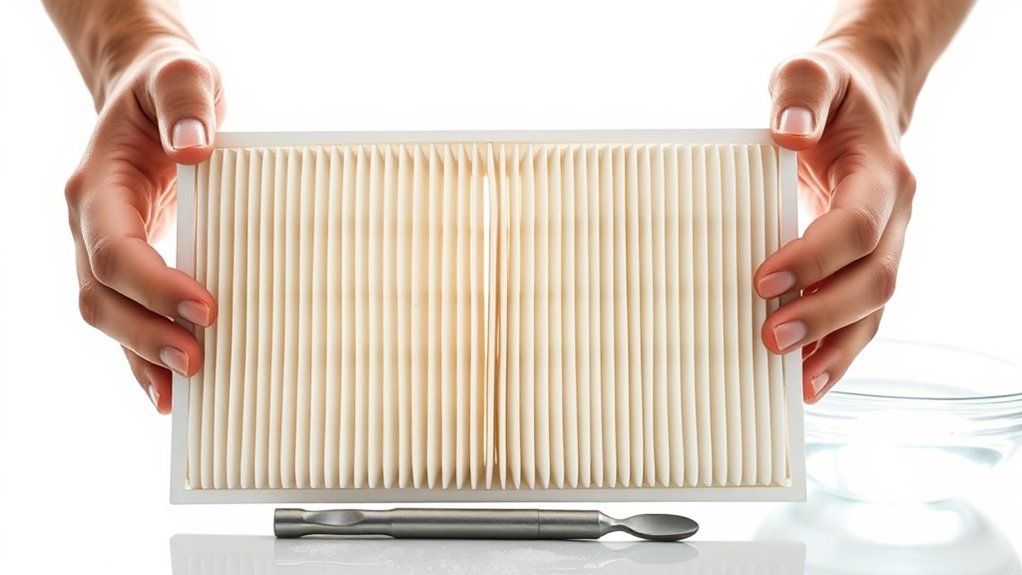
You can clean your car air filter at home, as long as it’s a reusable type and not a disposable one. Reusable filters are meant to be maintained and cleaned instead of thrown away.
First, find the filter, usually behind the engine bay or under the hood. Carefully remove it, remembering how it fits so you can put it back correctly.
Next, check the filter for heavy dirt, debris, or any damage. If it looks like it can be cleaned, you can go ahead with the process.
Cleaning a reusable filter is pretty simple and can save you money while making it last longer. Just be sure to check your vehicle’s manual or manufacturer’s instructions to see if your filter is washable.
Proper maintenance can improve airflow and engine efficiency—just make sure your filter is suitable for cleaning at home.
How to Clean Your Car’s Air Filter the Right Way
Start by gathering your cleaning supplies, like a brush, soap, and water, to make the process smooth. Next, carefully remove your filter and check it for damage or too much dirt.
Finally, dry the filter thoroughly before reinstalling it to make sure it works properly and lasts longer.
Gather Necessary Cleaning Supplies
Gathering the right supplies is the first step to cleaning your car’s air filter properly. You’ll need a few basic tools to do the job effectively and avoid damage.
First, get a screwdriver if your filter is secured with clips or screws. You’ll also need a cleaning solution—either a mild soap or a specific filter cleaner.
A soft brush or cloth helps remove dirt gently, while compressed air can blow out stubborn debris.
Here’s a quick list to keep handy:
| Item | Purpose | Notes |
|---|---|---|
| Screwdriver | Remove filter from housing | Match screw type |
| Mild soap or cleaner | Clean filter surface | Avoid harsh chemicals |
| Soft brush or cloth | Remove dirt & debris | Gentle scrubbing |
With these supplies, you’re ready to proceed confidently.
Remove and Inspect Filter
To properly clean your car’s air filter, start by removing it from the air intake housing. Carefully detach the filter, making sure not to damage any clips or connectors.
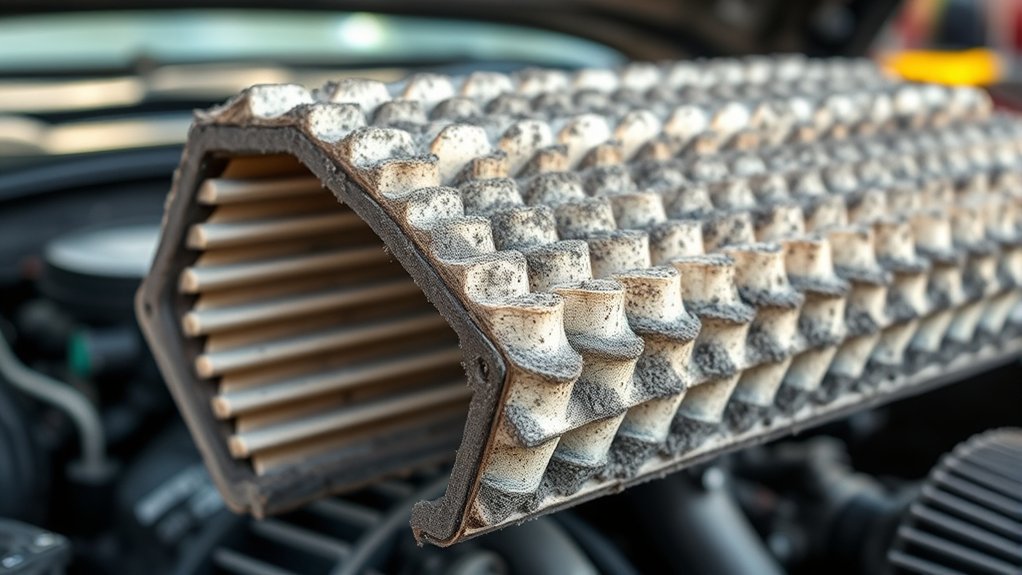
Once out, inspect the filter for dirt, debris, and damage. Hold it up to the light. If you see a thick layer of grime or tears, it’s time to replace instead of cleaning.
Look for excessive dust, leaves, or insects trapped in the pleats. Check for warping or holes that could let unfiltered air in. This initial check helps you decide whether cleaning will work or if you need a new filter.
Handle the filter gently to avoid tearing and keep all parts together for easy reinstallation later.
Proper Drying and Reinstallation
After inspecting and cleaning your filter, the next step is to confirm it’s properly dried before reinstalling. Air-drying is best—avoid using a cloth or paper towels, as they can leave fibers or cause damage. Find a well-ventilated, dry spot, and let the filter sit for several hours or overnight.
You can gently shake off excess water, but don’t wring or twist it, as this may distort the filter media. Once fully dry, inspect for any remaining debris or damage. When reinstalling, confirm the filter is seated correctly in its housing, aligning all edges and seals.
Proper reinstallation prevents unfiltered air from bypassing the filter, maintaining your engine’s performance and protecting it from dirt and debris.
Signs You Should Replace Your Air Filter
Your vehicle’s air filter is essential for maintaining good air quality and engine performance, so it’s important to recognize when it’s time to replace it. If your car’s acceleration feels sluggish or the engine struggles to start, your filter might be clogged.
A clogged air filter can cause sluggish acceleration and difficulty starting your engine.
A dirty air filter can also cause reduced fuel efficiency, so keep an eye on your mileage. Unpleasant odors inside the vehicle or visible dirt and debris on the filter are clear signs it’s time for a change.
Moreover, if you live in a dusty area or frequently drive on unpaved roads, your filter may wear out faster. Regularly inspecting your air filter helps prevent engine damage and keeps your vehicle running smoothly.
When in doubt, consult your owner’s manual for replacement guidelines.
Benefits and Drawbacks of Cleaning Your Car Air Filter
Cleaning your car air filter can save you money and extend its lifespan, but it also comes with certain risks. If done correctly, cleaning can restore airflow, improve engine efficiency, and reduce the need for costly replacements.
You’ll benefit from better fuel economy and smoother engine performance, especially if your filter is only lightly dirty. However, if you’re not careful, you might damage the filter or leave dirt behind, which can harm your engine.
Improper cleaning methods could also cause unintentional wear, shortening the filter’s effective life. Furthermore, cleaning isn’t a guarantee it will perform like new; some filters are designed for replacement only.
Weigh these benefits against potential risks to decide if cleaning is right for your vehicle.
How Often Should You Clean or Replace Your Air Filter?
Determining how often to clean or replace your car air filter depends on various factors, like your driving habits, environment, and the type of filter you have.
If you mostly drive in city traffic or dusty areas, you’ll need to check your filter more frequently. Conversely, highway drivers may go longer between changes.
Typically, manufacturers recommend replacing the filter every 12,000 to 15,000 miles, but this can vary. Regular inspections help you decide when to clean or replace.
Manufacturers suggest replacing your air filter every 12,000 to 15,000 miles, but regular checks will help you know when it’s time.
Keep an eye out for signs like reduced airflow or strange odors. If you drive in dusty or polluted environments often, or notice decreased engine performance or fuel efficiency, it’s time to check your filter.
Unusual odors or reduced airflow inside the cabin are also signs you might need to replace or clean your air filter soon.
Which Types of Air Filters Can Be Cleaned Effectively?
You’ll find that some air filters, like those with reusable materials, can be cleaned and reused multiple times. Washable filters are generally more effective after cleaning than replaceable ones, which are designed to be swapped out.
Knowing which filters can be cleaned effectively helps you maintain your vehicle’s air quality and performance. It’s good to check the manufacturer’s instructions to see if your filter is washable or disposable.
Reusable Filter Materials
Not all air filters are created alike when it comes to cleaning and reuse. Reusable filter materials are made to withstand cleaning, making them a smart choice if you want to extend your filter’s lifespan.
Common types include foam filters, some electrostatic filters, and certain washable cotton filters. These materials are tough enough to be cleaned multiple times without losing their effectiveness.
When choosing a filter, check that it’s made from a material that can handle regular washing. Gentle cleaning, like scrubbing or rinsing, will help keep airflow and filtration quality high.
Keep in mind, not all reusable filters work equally well. Picking the right material can save you money and boost your vehicle’s air quality over time.
Washable vs. Replaceable
Regarding choosing between washable and replaceable air filters, understanding which types can be cleaned effectively helps you make a smarter decision. Washable filters, usually made from durable materials like foam or certain synthetic fibers, are designed to be cleaned and reused multiple times. These filters are often more cost-effective over time and environmentally friendly.
On the other hand, replaceable filters are typically made from paper or specialized media and are meant for one-time use. They can’t be cleaned effectively without damaging their filtration properties. If you’re looking to save money and reduce waste, washable filters are a good choice, as long as they can be cleaned thoroughly.
Replaceable filters are better if you want the convenience of quick swaps without the bother of cleaning.
Effectiveness After Cleaning
Certain types of air filters stay effective even after cleaning, making them a practical choice for ongoing use. These filters are built to handle multiple cleanings without losing their ability to filter out dust, pollen, and debris.
When cleaned properly, they continue to perform well. But keep in mind, not all filters do the same—some might degrade quickly or become less efficient over time.
Look for filters made from durable materials like synthetic fibers or metal mesh. These can be washed and reused multiple times, which is a big plus.
Cleaning can extend their lifespan, but it won’t make them as good as new. Regular inspection and cleaning will help ensure you’re getting the best air quality from your filter over time.
Common Mistakes When Cleaning Your Car Air Filter
One common mistake people make when cleaning their car air filter is using harsh cleaning agents or solvents that can damage the filter material. Strong chemicals can weaken or degrade the filter’s fibers, which reduces its effectiveness and lifespan.
Another mistake is rinsing the filter with high-pressure water. This can force debris deeper into the material or cause tears, making the filter less effective.
You might also be tempted to reuse a dirty or damaged filter, thinking it’s still okay. But doing so can compromise air quality and engine performance.
Not letting the filter dry completely before reinstalling can lead to mold growth or rust, both of which can harm your engine.
Finally, skipping the manufacturer’s cleaning instructions can result in improper cleaning methods. This diminishes the filter’s ability to trap dirt and pollutants effectively.
Should You Seek Professional Help for Air Filter Maintenance?
Wondering if you should seek professional help for your car’s air filter? If you’re unsure about cleaning or replacing it, calling a mechanic can save you time and prevent potential damage.
Professionals have the right tools and expertise to thoroughly inspect and clean or replace your filter correctly. Consider seeking help if you notice stubborn dirt or debris that’s hard to remove or if your car feels sluggish or uses more fuel.
If you’re unsure how to properly maintain or replace the air filter, it’s a good idea to get expert assistance. Getting help from the pros guarantees your air filter works at its best, which improves air quality and engine performance.
If you’re uncomfortable doing the maintenance yourself or run into complicated issues, it’s best to leave it to the professionals. Regular check-ups can extend your filter’s life and keep your vehicle running smoothly.
Frequently Asked Questions
Can Cleaning a Car Air Filter Improve Engine Performance?
Cleaning your car air filter can boost engine performance by restoring proper airflow, helping the engine breathe easier. When the filter gets clogged with dirt and debris, it blocks airflow and reduces power and fuel efficiency.
Are There Specific Cleaning Products Recommended for Car Air Filters?
Yes, there are specific cleaning products recommended for car air filters. Use a gentle, no-rinse cleaner made for air filters, or a mix of mild soap and water for standard filters.
Avoid harsh chemicals or degreasers, since they can damage the filter material. After cleaning, make sure the filter dries completely before reinstalling. This helps ensure good airflow and prevents engine problems.
Always follow the manufacturer’s instructions for the best results.
How Long Does a Cleaned Air Filter Typically Last Before Needing Replacement?
A cleaned air filter typically lasts between 12,000 to 15,000 miles, but this depends on driving conditions. Imagine the filter’s surface as a delicate web that traps dust and debris; over time, it gets clogged.
Regular inspections can help you see when it’s time for a replacement. Keep an eye on how your car performs and its fuel efficiency—any decline could mean your filter needs swapping sooner.
Does Cleaning an Air Filter Affect Fuel Efficiency?
Cleaning your car air filter can boost fuel efficiency, especially if it’s clogged and blocking airflow. When you clear out dirt and debris, your engine can breathe easier, which reduces the strain and helps save fuel.
But if the filter is really dirty or damaged, just cleaning it might not do the trick. Regular maintenance and timely replacements keep the airflow optimal, helping your car run smoothly and saving you money at the pump.
Can Cleaning Methods Damage the Air Filter or Engine?
Cleaning your air filter is like giving your engine a gentle spa treatment—if done carefully, it won’t damage anything.
But if you scrub too hard or use the wrong cleaning methods, you could tear or weaken the filter material. That can let dirt slip through and potentially harm your engine.
Always follow the manufacturer’s instructions, use proper cleaning tools, and stay away from harsh chemicals.
Doing it right helps keep your engine breathing easy without risking any damage.
Conclusion
So, next time your car’s air filter gets dirty, don’t rush to replace it—just give it a good clean, right? After all, who needs professional help when you have a little patience and a vacuum?
Just remember, a clean filter might seem like a DIY hero, but sometimes it’s better to admit defeat and let the pros handle it.
Your engine’s health is worth a little extra effort. Trust me, it’s not just about saving a buck—cleaning or replacing your air filter can make a big difference.