Can Car Air Filters Be Cleaned and Reused?
Many car owners find themselves wondering whether they can save money by cleaning their air filters instead of replacing them. It’s a common dilemma—should you clean and reuse or just swap out the filter entirely?
You’re not alone; many people struggle with figuring out the best approach to keep their engine running smoothly without overspending.
Yes, you can often clean and reuse certain car air filters, but it depends on the type and condition.
Reusable filters like foam or some cotton ones can usually be cleaned using compressed air and mild soap, while disposable paper filters should be replaced.
Be mindful of damage, dirt level, and odors, as these indicate whether cleaning is enough or if replacement is better.
For detailed tips that help you decide, keep going.
Key Takeaways
- Reusable filters like foam and certain cotton types can be cleaned and reused if they aren’t damaged.
- To clean them properly, start by removing dirt with compressed air. Then, wash with mild soap and let them air dry.
- If the filter is damaged, heavily clogged, or fragile, it’s best to replace it instead of cleaning.
- Keep in mind, cleaning might temporarily improve airflow, but it doesn’t always restore full filtration efficiency.
- Regularly check and maintain your filters. This way, you can decide if they can be cleaned or if they need to be replaced.
Are All Car Air Filters Reusable or Cleanable?
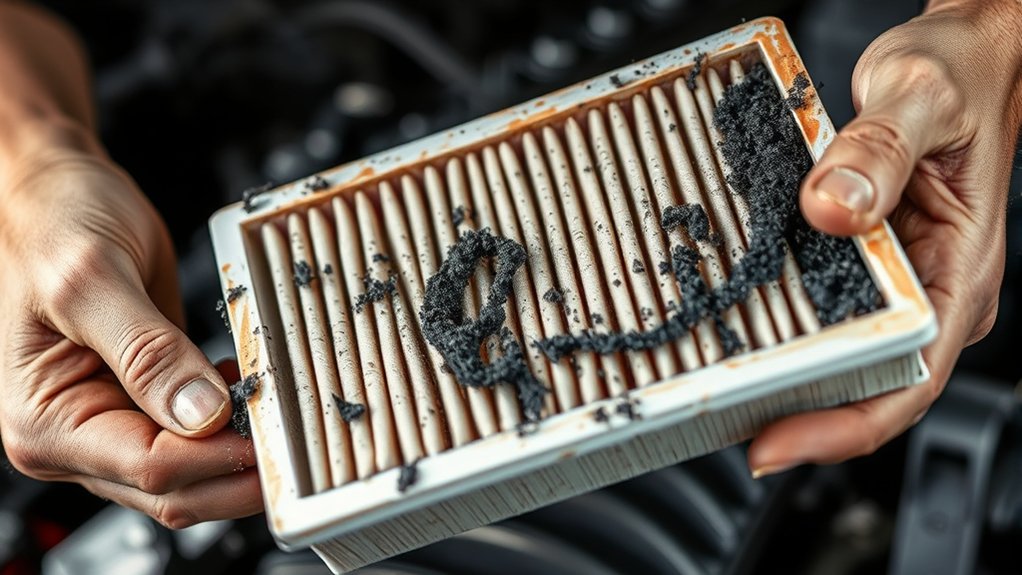
Not all car air filters are designed to be reused or cleaned. Many filters, especially disposable paper types, are meant for single use only. Trying to clean or reuse them can reduce their effectiveness, leading to poor air quality and engine performance.
Reusable filters, like those made of foam or certain kinds of cotton, are built to withstand cleaning. They can last longer if you maintain them properly. But it’s important to know what type of filter you have before cleaning or reusing it.
Some filters are fragile and can tear or get damaged during cleaning, making them unusable. Always check your vehicle’s manual or ask a professional to see if your air filter can be safely cleaned or reused.
How Can You Tell If Your Air Filter Can Be Cleaned?
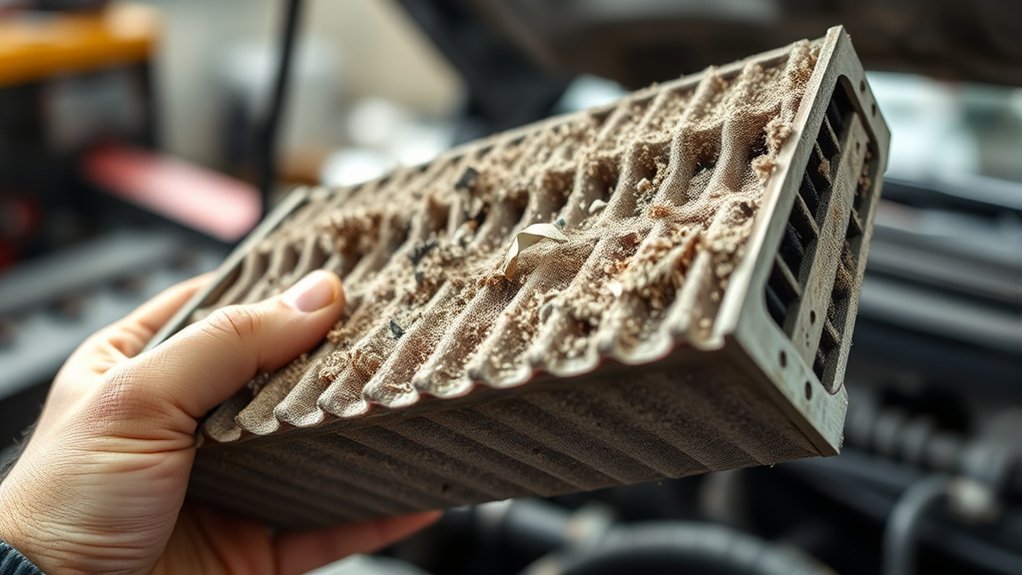
Determining whether your air filter can be cleaned starts with a visual inspection. Remove the filter and look closely at its surface. If it’s only lightly dusty or covered in fine particles, it might be suitable for cleaning.
Check your air filter visually; if lightly dusty, it may be suitable for cleaning.
But if the filter is heavily clogged with dirt, debris, or oil, cleaning probably won’t restore its effectiveness. Also, check for tears, holes, or damage to the filter medium. Significant damage means it’s best to replace it.
Look out for a strong, musty odor on the filter. This could indicate mold or bacterial growth, which cleaning can’t fix. If the filter looks visibly dirty but intact, and there’s no damage or mold, it may be worth cleaning and reusing.
Always follow the manufacturer’s recommendations for your specific filter type.
How to Properly Clean and Reuse Your Car Air Filter
To properly clean and reuse your car air filter, start by removing it from the vehicle and inspecting it closely. Check for tears, excessive dirt, or damage that might make cleaning ineffective.
If it looks reusable, gently tap it to dislodge loose debris or use compressed air from the clean side to blow out dirt. Next, prepare a cleaning solution of mild soap and water or a specialized filter cleaner.
Submerge the filter and gently agitate to loosen dirt, avoiding harsh scrubbing that could damage the filter material. Rinse thoroughly with clean water, making sure all soap is removed.
Shake off excess water and let the filter air dry completely in a well-ventilated area before reinstalling. Proper drying prevents mold and guarantees peak performance.
Risks of Cleaning or Reusing Your Car’s Air Filter
Cleaning or reusing your car’s air filter can reduce its ability to filter out dirt and debris, letting more into your engine.
You might also block airflow, which makes your engine work harder and could cause it to wear out faster.
If you’re not careful, it could even lead to long-term damage to your engine parts.
Reduced Filtration Effectiveness
Reusing or cleaning a car air filter can really cut down its ability to trap dirt and debris. This can lead to less effective filtration.
When you clean a filter improperly or use it beyond its intended lifespan, its fibers can get damaged or clogged. This reduces the filter’s capacity to catch particles, letting more dirt, dust, and pollutants into your engine or cabin.
As a result, your engine might have to work harder, and the air inside your vehicle can get worse. Over time, a damaged filter might let harmful contaminants through, lowering air quality and possibly causing engine wear.
Reusing a filter risks losing its original filtration quality. That means your vehicle won’t run as efficiently, and you might face more frequent maintenance issues.
Potential Airflow Blockages
Attempting to clean or reuse your car’s air filter can accidentally cause airflow blockages that reduce engine performance. If you don’t remove all debris or dirt thoroughly, particles can stay embedded, blocking airflow.
Using improper cleaning methods, like water or compressed air, might damage the filter’s structure, leading to clogs or tears. Reinstalling a filter that isn’t completely dry can also create moisture buildup, which hampers airflow and promotes mold growth.
Over time, grime or debris can settle into the filter’s fibers, further blocking airflow pathways. These blockages make your engine work harder, decreasing efficiency and possibly causing hesitation or stalling.
Increased Engine Wear
When you clean or reuse your car’s air filter improperly, you risk letting dirt and debris slip past the filtration system, which can cause increased engine wear.
Contaminants can get into your engine’s cylinders, leading to friction and damage over time. This wear speeds up the deterioration of engine parts and could result in costly repairs.
Imagine tiny particles scratching piston walls or clogging important components, all because of a poorly maintained filter.
Abrasive dirt grinding against engine parts, dust settling in delicate components, and particles causing unbalanced engine operation are common issues.
These problems reduce engine efficiency, boost fuel consumption, and shorten your engine’s lifespan. Proper maintenance and timely replacement are key to stopping these risks from getting worse.
When Should You Replace Instead of Cleaning Your Air Filter?
Knowing when to replace your air filter instead of cleaning it can save you time and ensure your vehicle runs smoothly.
If your filter looks really dirty, is clogged with debris, or has a strong musty smell, it’s probably time to replace it.
You should also consider replacing it if you notice your engine isn’t performing as well, your fuel economy drops, or emissions increase.
Harsh conditions like heavy dust or pollution mean a new filter might be the safer choice.
Filters that are torn, damaged, or worn out should always be replaced rather than cleaned.
Cleaning a damaged filter risks letting contaminants pass through and could harm your engine.
Tips to Maximize Your Air Filter’s Lifespan
To get the most out of your air filter, check it regularly for dirt and debris so you can catch buildup early.
Use proper cleaning techniques to avoid damaging the filter and make sure it’s thoroughly cleaned.
Staying consistent with these practices helps your filter last longer and keeps your engine running smoothly.
Regular Inspection Practices
Regularly inspecting your car’s air filter is key to making sure it works well and lasts longer. Checking it often helps spot dirt buildup or damage early, which can prevent engine problems.
During inspections, look for a visibly dirty or clogged surface that blocks airflow, excess dust or debris around the filter, or tears and holes in the filter material.
Do these checks every 10,000 to 15,000 miles or as your vehicle’s manual recommends. Also, watch for signs like sluggish acceleration or lower fuel efficiency.
Regular inspections help you catch issues before they get worse, saving money and keeping your engine healthy. Staying on top of your air filter keeps it protecting your engine and performing its best.
Proper Cleaning Techniques
Cleaning your air filter properly can really help it last longer and keep your engine running smoothly. Start by carefully removing the filter, making sure not to damage it.
Use compressed air to blow out dust and debris from the outside in, paying attention to the filter’s direction. If it’s washable, rinse it gently with water and a mild detergent, then let it air dry completely before putting it back.
Never use harsh chemicals or abrasive brushes, as these can damage the filter material. Check for tears or excessive wear—if it’s damaged, it’s best to replace it instead of cleaning.
Regularly cleaning your filter with these tips will help it work better, last longer, and keep your engine in top shape.
Key Takeaways: Should You Clean or Replace Your Car Air Filter?
Wondering whether to clean or replace your car air filter? It really depends on its condition and age. If the filter is visibly dirty, clogged, or has a strong odor, it’s usually best to replace it for optimal performance.
Cleaning might work if the filter is only lightly dusty and undamaged, but remember, it’s just a temporary fix. Think about a filter that’s covered in thick dirt, blocking airflow, or showing signs of wear and tears.
If it emits a musty smell that won’t go away, it’s a sign you should replace it. Doing so guarantees your engine breathes freely and your vehicle runs efficiently.
Regular checks help you decide whether a simple clean will do or if a new filter will serve you better in the long run.
Frequently Asked Questions
How Often Should I Clean My Car’s Air Filter?
You should clean your car’s air filter every 12,000 to 15,000 miles or once a year, whichever comes first. If you often drive in dusty or polluted areas, consider cleaning it more frequently.
Regular maintenance helps keep airflow at its best, boosts engine performance, and even saves you fuel. It’s a good idea to check the filter regularly for excessive dirt or debris.
If cleaning doesn’t restore its efficiency, it’s probably time to replace the filter. Keeping up with these simple steps will help your vehicle run smoothly and reliably.
Can Cleaning Extend the Lifespan of My Air Filter?
Cleaning your air filter can extend its lifespan if done properly and regularly. By removing dust, dirt, and debris, you prevent buildup that can clog the filter and reduce its efficiency.
However, cleaning isn’t a permanent solution, and over time, the filter material can degrade. Regular maintenance helps, but eventually, replacing the filter guarantees peak airflow and engine performance.
Are There Specific Cleaning Products Recommended for Air Filters?
Did you know that using the wrong cleaning products can damage your air filter and reduce its effectiveness?
For cleaning your car’s air filter, stick to mild soap and water or a manufacturer-approved cleaning solution.
Avoid harsh chemicals like degreasers or solvents, which can break down the filter material.
Always follow the manufacturer’s instructions to ensure proper cleaning and maintain good airflow and filtration efficiency.
What Signs Indicate My Air Filter Needs Replacement Immediately?
You should replace your air filter immediately if you notice a significant drop in engine performance, like sluggish acceleration or lower fuel efficiency.
If you see dirt, debris, or mold on the filter, that’s a clear sign it’s time to swap it out.
A strong, musty smell inside your car can also mean your filter is dirty and needs replacing.
And if your check engine light comes on, it’s a good idea to check the filter as part of your troubleshooting.
Is It Cost-Effective to Clean or Replace My Air Filter Regularly?
Cleaning your air filter regularly is usually a smart way to save money because it makes the filter last longer and helps your engine run better. This means you’re likely to spend less over time.
But if the filter is really clogged or damaged, it’s probably better to replace it. That might be more cost-effective and safer for your vehicle in the long run.
Sticking to regular maintenance can help you avoid costly repairs and keep your fuel efficiency at its best.
In the end, balancing cleaning and replacing based on your filter’s condition helps keep your car running smoothly without wasting money.
Conclusion
In the end, ignoring your car’s air filter is like letting your engine breathe in a tornado of dust and debris—utter chaos!
Whether you clean or replace it, don’t let it turn into a clogged monster that chokes your engine’s soul.
Stay vigilant, give it some love, and keep that filter in top shape.
Your car will thank you with smoother rides and a lifespan longer than a rollercoaster!
And yes, car air filters can be cleaned and reused, but only if they’re the washable kind.
Regular cleaning can extend their life and save you money, just be sure to follow the manufacturer’s instructions.