How to Use Car Leather Cleaner on Your Shoes Safely
Many people struggle with keeping their shoes looking clean and well-maintained, especially when they want to avoid damaging the material. If you’re considering using car leather cleaner on your shoes, you’re not alone. It’s a common question, and it’s great to know how to do it safely.
To safely use car leather cleaner on your shoes, start with a patch test on a hidden area to check compatibility. Apply the cleaner gently with a soft cloth in circular motions, avoiding soaking the leather. Wipe away excess and follow instructions carefully.
Always remove surface dirt beforehand and finish with a conditioner to protect the material.
If you’re curious about more tips and techniques, there’s plenty more to reflect on for keeping your shoes in top shape.
Key Takeaways
- Always do a patch test on a hidden part of your shoes first. This way, you can check if the cleaner is safe to use.
- Use a soft cloth and gently apply the cleaner in circular motions. Be careful not to soak the leather too much.
- Before cleaning, remove any loose dirt. Afterward, wipe away any leftover residue thoroughly.
- Follow the instructions on the product carefully. Avoid harsh scrubbing, which can damage the leather.
- To keep your shoes in great shape, regularly condition them and store them properly. This helps maintain the leather’s quality and prevents damage over time.
Is Car Leather Cleaner Safe for Your Leather Shoes?
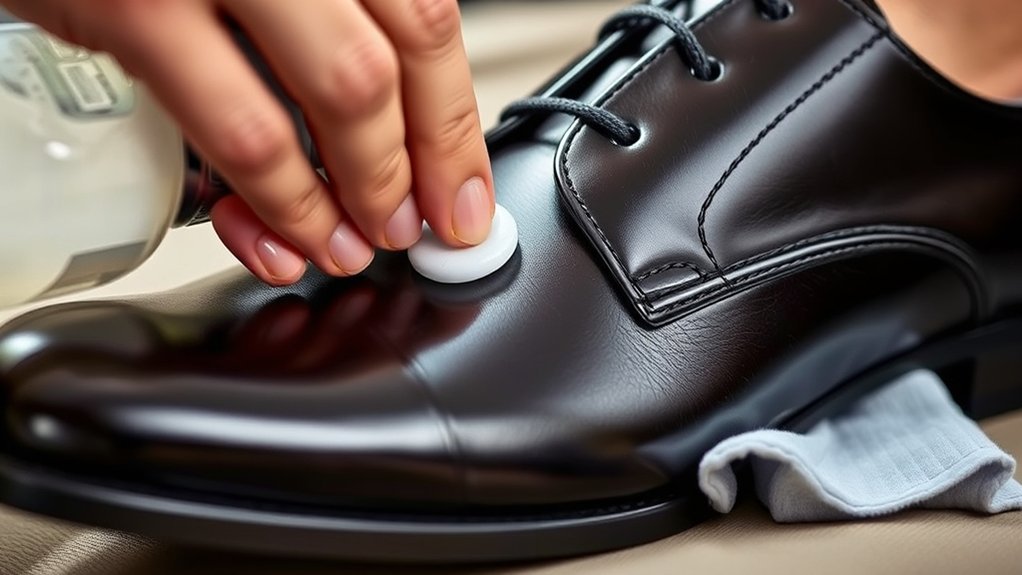
Is it safe to use car leather cleaner on your leather shoes? Generally, yes, but you should be careful. Car leather cleaners are made to remove tough dirt and grease from car interiors, so they tend to be strong.
If your shoes are genuine leather, using a cleaner meant for car seats can help make them look better. But some car leather cleaners have chemicals that might dry out or damage delicate shoe leather if you’re not careful.
Always check the product label to see if it’s safe for footwear. Before using it on your shoes, test a small, hidden spot first. If your shoes are high-end or delicate, it’s better to use a cleaner made specifically for leather shoes.
When in doubt, look at the manufacturer’s care instructions to keep your shoes in good shape.
How Does Car Leather Cleaner Work on Shoes?
Car leather cleaners work by breaking down and lifting dirt, grease, and grime from the surface of leather. They contain mild solvents and surfactants that loosen embedded debris, making it easier to wipe away. When you apply the cleaner, it penetrates the leather’s surface, dissolving oils and dirt without harming the material. This process restores the leather’s appearance and prepares it for conditioning.
Here’s a quick overview:
| Cleaning Action | What It Does |
|---|---|
| Loosens dirt | Breaks down embedded grime |
| Dissolves grease | Removes oily residues |
| Lifts debris | Makes wiping easier |
This guarantees your shoes stay clean, fresh, and well-maintained.
How to Check If Your Shoes Can Handle Car Leather Cleaner
Before applying car leather cleaner to your shoes, it’s important to see if they can handle it without getting damaged. Start by checking what material your shoes are made of. Leather shoes are usually safe, but synthetic or delicate leather might react differently.
Next, do a patch test. Dab a small amount of cleaner on an hidden spot, like inside the shoe or under the tongue. Wait a few minutes and watch for any changes like discoloration, stiffness, or peeling.
If nothing bad happens, your shoes are probably fine to clean. But if you see any damage or color change, don’t use the cleaner. It could make things worse. Always be cautious to keep your shoes protected from potential harm.
Prepare Your Leather Shoes Before Cleaning
Start by removing loose dirt and debris from your shoes using a soft brush or a damp cloth. This helps prevent scratching the leather during cleaning. Next, make sure your shoes are completely dry because moisture can interfere with cleaning and damage the leather.
Use a gentle cloth to wipe away any surface dust. It’s also a good idea to inspect your shoes for any damage. This way, you can spot areas that might need extra attention or repair.
Taking these simple steps will prepare your shoes for effective cleaning. It helps keep the leather in good condition and makes sure the cleaning process is safe and thorough.
How to Use Car Leather Cleaner on Shoes Safely
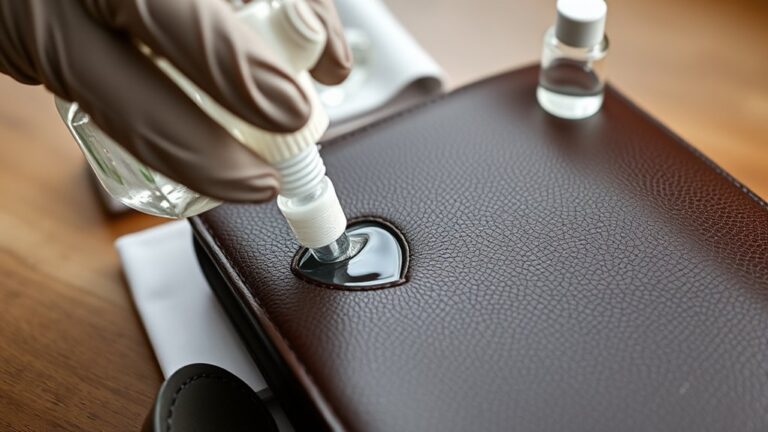
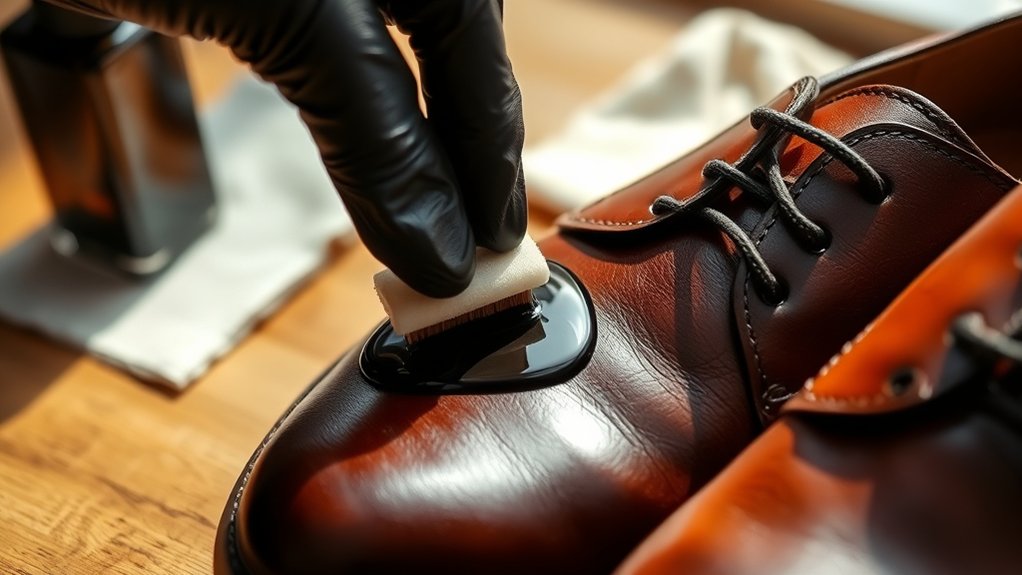
To use car leather cleaner on shoes safely, start by testing it on a small, hidden area first. Apply a tiny amount with a soft cloth and wait a few minutes to see if there’s any discoloration or damage.
If nothing looks wrong, go ahead and clean the rest of your shoes. Use a clean, damp cloth to gently apply the cleaner in circular motions, but don’t scrub too hard. Be careful not to soak the leather, as too much liquid can cause damage.
After cleaning, wipe away any leftover residue with a dry cloth. Always follow the instructions on the product label for the best results. This careful approach helps keep your shoes looking their best and protects their finish.
Common Mistakes to Avoid When Cleaning Leather Shoes
Even with careful cleaning, it’s easy to make mistakes that can harm your leather shoes. One common error is using too much cleaner, which can cause streaks or damage the leather’s finish. Always apply a small amount of cleaner and test it on a hidden spot first.
Another mistake is using abrasive tools or rough cloths, which can scratch or scuff the surface. Avoid harsh scrubbing; instead, gently clean in circular motions. Also, never use water-based cleaners meant for other materials, as they can cause the leather to stiffen or crack over time.
Rushing the process or skipping the drying stage can lead to water spots or mold. Stay patient and gentle to preserve your shoes’ appearance and longevity.
How to Remove Excess Cleaner and Buff Your Shoes Correctly
After applying the cleaner, gently wipe away any excess using a soft, clean cloth. Be sure to use light, even strokes to avoid spreading the cleaner or damaging the leather.
Once the excess is gone, take a clean, dry cloth and buff the shoes by rubbing in circular motions. This helps smooth out the surface and restore shine.
Use a dry cloth to buff the shoes in circular motions for a smooth, shiny finish.
Focus on areas with more product to ensure an even finish. Avoid pressing too hard, as that could scratch or dull the leather.
If you notice streaks or residue, use a slightly damp cloth to wipe them away before buffing again. The goal is a clean, polished look without any leftover cleaner or dull spots.
Proper removal and buffing give your shoes a fresh, professional appearance.
Post-Cleaning Tips: Protect and Maintain Your Leather Shoes
After cleaning your shoes, be sure to regularly apply leather conditioner to keep the material soft and supple. This helps maintain their look and feel over time.
Store your shoes in a cool, dry place when you’re not wearing them. Proper storage prevents damage and keeps them in great shape.
Taking good care of your leather shoes will help them stay looking fantastic and last much longer.
Apply Leather Conditioner Regularly
Applying leather conditioner regularly is essential to keep your shoes looking their best and to extend their lifespan. It helps restore moisture, preventing your leather from drying out, cracking, or becoming stiff.
After cleaning, apply a small amount of conditioner using a soft cloth or applicator, working it evenly into the leather’s surface. Focus on areas prone to wear, like the toe and heel.
Let the conditioner soak in for a few minutes, then buff off any excess with a clean cloth. Regular conditioning maintains the leather’s flexibility, improves its appearance, and creates a protective barrier against dirt and moisture.
Incorporate this step into your routine every 4-6 weeks for the best results, keeping your shoes looking fresh and well-maintained.
Store Shoes Properly When Not Used
Proper storage is key to maintaining the quality of your leather shoes once they’re clean and conditioned. Always store your shoes in a cool, dry place away from direct sunlight, which can cause fading and cracking.
Use shoe trees or stuff them with tissue paper to help retain their shape and prevent creases. Keep your shoes in a breathable dust bag or a cloth shoe bag to protect them from dust and dirt, but avoid plastic containers that trap moisture.
Place shoes upright on shelves or in cubbies, ensuring they aren’t pressed against other items. Regularly check your storage area for humidity or temperature fluctuations, as these can damage leather over time.
Proper storage helps prolong your shoes’ lifespan and keeps them looking their best.
When to Consider Alternative Leather Cleaning Methods
If stubborn stains stay after cleaning, or if you notice leather damage, it’s time to consider other methods.
Using car leather cleaner on delicate or unsure leather types can cause more harm than good.
Knowing when to switch helps protect your shoes and makes sure they get the right care.
Stubborn Stains Persisting
Sometimes, stubborn stains just won’t come clean, even after using standard leather cleaners a few times. If you’ve tried cleaning your shoes repeatedly without success, it might be time to look for other options.
Start by trying a leather-specific stain remover made for tougher spots. Be sure to test it on a small, hidden area first before applying it to the entire shoe. You could also gently rub the stain with a soft cloth dipped in a mix of mild soap and water or a stronger leather cleaner.
For really stubborn stains, getting a professional cleaning might be your best bet. Just avoid harsh chemicals or abrasive tools, as they can damage the leather. Knowing when your usual routine isn’t enough helps you keep your shoes looking good and protected over time.
Leather Damage Risks
When you notice signs of leather damage after cleaning, it’s a clear sign to think about using different methods. Damage might show up as cracking, fading, or a sticky residue that won’t go away. Keep an eye out for these:
- Color loss or discoloration – the leather looks dull or uneven.
- Cracking or peeling – the surface feels rough or starts to flake.
- Sticky or tacky feel – the leather seems coated or sticky when you touch it.
These signs mean the cleaner you used might be too harsh or not suitable for your leather type. Using the cleaner again could make the damage worse. When you’re unsure, switch to milder cleaning methods or ask a professional to avoid causing permanent harm.
Uncertain Leather Types
Not all leather types respond the same way to cleaning products, so it’s important to identify what kind of leather you’re dealing with before you start. If you’re unsure whether your shoes are genuine leather, bonded, or synthetic, it’s better to be cautious.
Genuine leather can often handle mild cleaners, but bonded and synthetic leathers might react badly, showing damage or discoloration. When in doubt, try a patch test on a small, hidden area first.
If the leather’s texture, color, or finish changes, or if it feels overly stiff or sticky, consider using different cleaning methods. You might want to try specialized leather cleaners made for delicate or synthetic materials.
When you’re unsure about the type of leather, it’s a good idea to consult a professional cleaner. This can help you avoid causing costly damage.
What to Do If Your Shoes Show Signs of Damage
If your shoes start showing signs of damage, it’s important to assess how serious the issue is before taking action. First, look for small cracks or peeling; these may be fixable with proper conditioning.
Second, check for deep scratches or tears that might need professional repair. Third, evaluate whether the damage affects the shoe’s structure or just the surface.
If damage is minor, gently clean and condition your shoes to prevent further deterioration. For deeper cracks or tears, consider seeking professional leather repair.
Avoid using harsh chemicals or aggressive scrubbing, as this can worsen the damage. Taking prompt, appropriate steps helps preserve your shoes and keeps them looking their best longer.
Frequently Asked Questions
Can Car Leather Cleaner Discolor or Stain Your Shoes?
Car leather cleaner can discolor or stain your shoes if it’s not meant for footwear or if you don’t use it properly. Some cleaners have harsh chemicals that might react with delicate or dyed shoe materials.
Always test a small, hidden area first before applying it to the whole shoe. Follow the instructions carefully, use a soft cloth, and don’t over-apply.
This cautious approach helps prevent any discoloration or staining, keeping your shoes looking their best.
How Often Should You Clean Your Leather Shoes With Car Leather Cleaner?
You should clean your leather shoes with car leather cleaner every 2 to 4 weeks, depending on how often you wear them and their exposure to dirt or moisture.
Regular cleaning helps prevent dirt buildup and keeps the leather looking good. If your shoes get very dirty or stained, clean them more often.
Always follow the cleaner’s instructions and test on a small area first. This helps avoid any discoloration or damage.
Is It Safe to Use Car Leather Cleaner on Suede or Nubuck Shoes?
Nope, using car leather cleaner on suede or nubuck is like trying to cook a steak with a hairdryer—completely the wrong tool.
These materials are delicate and porous, so harsh chemicals can ruin their texture and appearance.
Instead, grab a soft brush and a specialized suede cleaner. Your shoes will thank you for the gentle treatment, and you’ll avoid turning them into unintentional art projects.
What Ingredients in Car Leather Cleaner Are Harmful to Shoe Leather?
The ingredients in car leather cleaner that can harm shoe leather include harsh chemicals like solvents, alcohol, and certain surfactants. These substances can strip away natural oils and cause the leather to dry out, crack, or fade over time.
You should avoid using products with aggressive chemicals on your shoes. Instead, choose cleaners specifically made for shoe leather to keep it soft and durable.
Can Car Leather Cleaner Be Used on All Shoe Colors?
Yes, car leather cleaner can be used on all shoe colors, but it’s a good idea to test it first on a small, hidden area. This helps you check if it causes any discoloration. Some cleaners have ingredients that might affect certain dyes or finishes.
Always follow the manufacturer’s instructions carefully. If you’re worried about color safety, consider using a cleaner specifically made for shoes. That way, you can keep your shoes looking great without risking damage.
Conclusion
Remember, while car leather cleaner might seem like a quick fix, it’s not a one-size-fits-all solution for your shoes. Always test first and don’t rush—think of it as tending to your leather like a medieval artisan would his finest armor.
If you notice any damage, it’s wiser to seek expert advice than risk turning your shoes into a pile of dust. Treat your leather shoes with care, and they’ll serve you well for many moons.
Using car leather cleaner on your shoes can work if done carefully, but always remember to proceed with caution.