How to Put Regular Window Cleaner Safely on Your Car
Many car owners struggle with keeping their windows crystal clear without causing damage. It’s frustrating to deal with streaks, scratches, or paint chips after cleaning. You’re not alone in wanting a safe, effective way to clean your car’s glass.
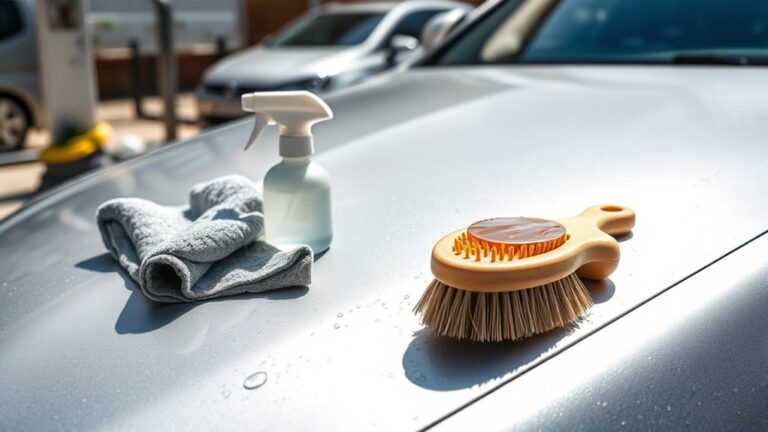
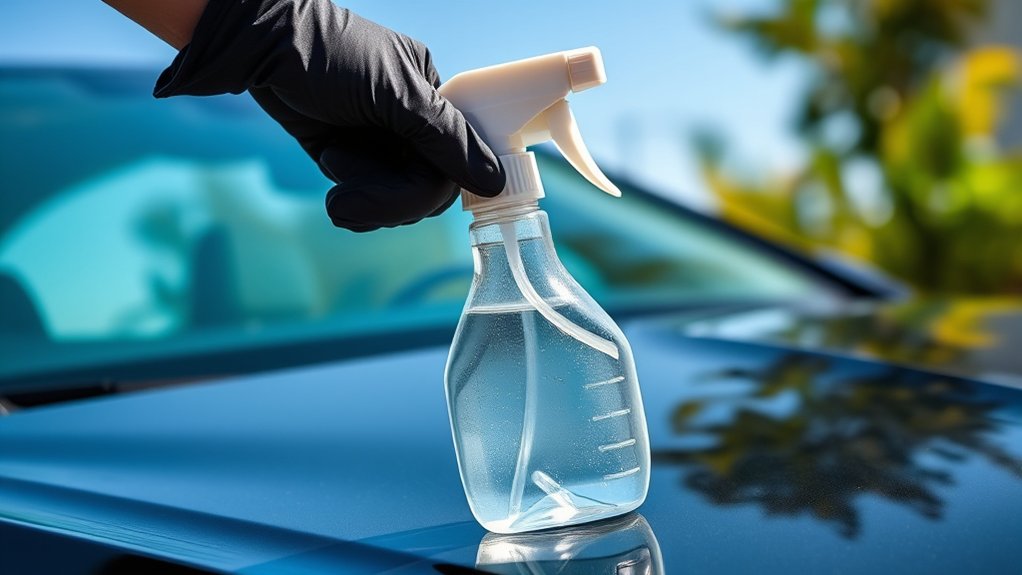
To use regular window cleaner safely on your car, avoid spraying directly onto the glass or painted areas. Instead, spray the cleaner onto a soft microfiber cloth, then wipe the windows in circular motions.
Be sure to work in a shaded area and avoid harsh scrubbing, which can scratch your glass. It’s important to prevent oversaturation and follow proper application techniques to protect your finish.
Keep exploring to learn more about achieving streak-free, damage-free results.
Key Takeaways
- Use a car-specific window cleaner to protect your car’s finish and avoid damage.
- Spray the cleaner onto a microfiber cloth instead of directly on the glass. This helps prevent oversaturation and potential streaks.
- Wipe the window in circular motions first, then go over it with straight-line strokes for a streak-free shine.
- Try to clean your windows in a shaded area, away from direct sunlight. This prevents streaks and quick drying that can leave spots.
- Don’t forget to regularly check your wiper blades and look for any damage on the windows. Good wipers and clear glass help you see better and drive safely.
How Are Household Window Cleaners Different From Car-Specific Products?
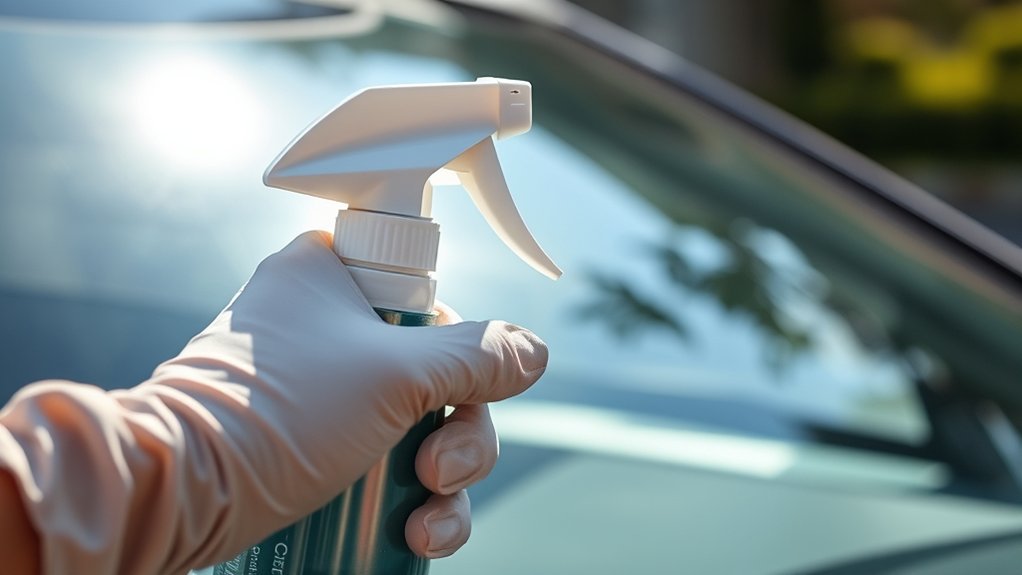
While household window cleaners might seem suitable for your car, they often contain chemicals that can damage automotive surfaces. These cleaners usually have ammonia or other harsh solvents that can strip protective coatings, cause paint to deteriorate, or leave streaks and haziness on your vehicle’s glass.
Car-specific products are formulated to clean effectively without harming your car’s delicate finishes. They typically have a balanced pH level and are designed to safely remove dirt and grime.
Using household cleaners might save you a little money at first, but they can cause long-term damage to your car’s paint and glass. Always choose products made specifically for automotive use to keep your vehicle’s surfaces in top shape.
Preparing Your Car’s Surface for Safe Window Cleaning
Before you start cleaning your car’s windows, it’s essential to prepare the surface properly. First, make sure the car is parked in a shaded area to prevent the cleaner from drying too quickly.
Park in the shade to prevent cleaner from drying too quickly and ensure a thorough, streak-free clean.
Second, remove loose dirt and debris with a gentle brush or blower to avoid scratching the glass.
Third, wipe down the surface with a damp microfiber cloth to lift stubborn dust and grime.
Finally, inspect the windows for any stubborn spots or residues that may need pre-treatment.
Taking these steps helps prevent scratches, streaks, and incomplete cleaning. Proper preparation makes your window cleaning safer and more effective, ensuring the cleaner works directly on dirt-free glass for a clear, streak-free finish.
Where Should You Apply Window Cleaner on Your Car?
You should focus on applying window cleaner directly to the windshield surface for the best results. Avoid spraying on painted areas or other parts of your car to prevent damage.
Pay attention to the clear window borders to guarantee a thorough and safe cleaning process.
Focus on Windshield Surface
Your windshield is the most important area to clean because it affects your visibility while driving. Start by focusing your window cleaner on this surface first to get a clear view.
Spray the cleaner directly onto the glass, avoiding the edges and painted parts. Then, use a clean microfiber cloth to spread the cleaner evenly across the entire windshield.
Pay close attention to the corners and edges where dirt and grime tend to build up. Wipe in a circular motion to lift stubborn spots and streaks, then finish with a straight-line wipe for a streak-free shine.
Avoid Painted Areas
While cleaning your car’s windows, it’s important to avoid spraying window cleaner on painted areas like the car’s body, trim, and mirrors. These surfaces have different finishes and coatings that can be damaged by the chemicals in the cleaner.
Spraying or wiping window cleaner on painted surfaces can cause discoloration, streaking, or even paint peeling over time. To prevent this, only spray the cleaner directly on the glass, keeping a safe distance from the edges where paint meets the window.
Use a soft cloth or sponge to gently clean the glass, making sure no cleaner drips onto the painted areas. Being careful not to overspray helps protect your car’s appearance and avoids costly repairs.
Always focus on the glass to maintain a spotless, streak-free finish and keep your car looking its best.
Clear Window Borders
To achieve a clear, streak-free finish, focus on applying window cleaner precisely along the borders of your car’s windows. This helps prevent residue that could cause streaks or smudges. Start by spraying the cleaner directly onto the edges where the glass meets the frame.
Avoid overspraying onto painted areas or trim. Next, wipe these borders with a clean microfiber cloth to remove dirt and prevent buildup. To keep your windows looking their best, remember:
- Spray cleaner only on the glass edges, not the entire window.
- Use a light, even spray to avoid drips.
- Wipe in a gentle, circular motion.
- Check for streaks or residue and re-clean if necessary.
Focusing on borders improves visibility and keeps your car looking well-maintained.
How to Apply Window Cleaner Safely Without Damaging Your Car
To protect your car’s finish, choose gentle cleaning solutions made for automotive surfaces.
Apply the cleaner evenly by spraying it across the surface and wiping with a soft cloth. This helps prevent streaks and scratches.
Be careful not to use too much pressure, as it can damage the glass or paint.
Choose Gentle Cleaning Solutions
Choosing the right cleaning solution is essential to protect your car’s windows and paint. You want a gentle product that cleans effectively without causing damage.
First, opt for a cleaner labeled safe for automotive use. Second, avoid harsh chemicals like ammonia or bleach, as they can harm your paint and window tint.
Look for environmentally friendly options with natural ingredients. Always test the cleaner on a small, hidden area first to make sure it won’t cause discoloration or damage.
Using gentle solutions helps prevent scratches, streaks, and paint deterioration. Remember, the goal is a clear, streak-free finish without risking harm to your car’s surface.
Choose wisely to keep your vehicle looking its best while maintaining its integrity.
Use Proper Application Techniques
Once you’ve picked a gentle, safe cleaner, applying it properly helps prevent damage and gives you a streak-free shine. Start by spraying the cleaner evenly onto the glass, but don’t oversaturate.
Use a clean microfiber cloth or a soft sponge to spread the solution, working from top to bottom to avoid drips. Don’t press too hard—let the cleaner do the work.
Wipe in smooth, circular motions to lift dirt and grime effectively. For stubborn spots, add a little extra cleaner and gently scrub. Avoid using rough cloths or abrasive materials that could scratch the surface.
After cleaning, buff the glass with a dry microfiber cloth to remove any streaks or residue. Proper technique ensures a clear, spotless finish without risking damage.
Avoid Excessive Pressure
Pressing too hard when applying window cleaner can easily scratch or damage your car’s glass. To prevent this, use gentle pressure and let the cleaner do its job. Here are four tips:
- Spray the cleaner evenly and lightly, avoiding excessive force.
- Use a soft cloth or microfiber towel; don’t scrub aggressively.
- Wipe in a smooth, circular motion to distribute pressure evenly.
- Pay attention to your touch. If you feel resistance, lighten your pressure immediately.
How to Avoid Streaks and Achieve a Clear Finish
To avoid streaks and get a clear finish when cleaning your car windows, it’s important to use the right tools and techniques. Start with a clean microfiber cloth or a dedicated glass cleaning cloth—these help trap dirt and prevent scratches.
Spray the window cleaner evenly across the surface, but don’t oversaturate. Use steady, circular motions to wipe the glass, then follow up with a dry, lint-free cloth to buff it out. Work in small sections so you don’t miss any spots.
Avoid cleaning your windows in direct sunlight because the cleaner can dry too fast and leave streaks. Also, don’t press too hard—gentle pressure is enough to lift dirt without smearing. With these simple steps, you’ll get crystal-clear, streak-free windows every time.
Tips for Maintaining Clean and Clear Car Windows
Maintaining clean and clear car windows requires consistent care and attention. Regularly washing your windows helps prevent dirt buildup and keeps visibility at its best. To stay on top of this, consider these tips:
- Wash your windows often with a gentle car-specific cleaner to remove dirt and grime effectively.
- Use a soft microfiber cloth to avoid scratches and streaks during cleaning.
- Check and replace your wiper blades regularly so they don’t smear dirt or leave streaks on your glass.
- Park in shaded areas whenever possible to prevent dirt and water spots from drying unevenly.
Following these simple steps will keep your windows spotless, improve safety, and help your car’s glass stay clear longer. Remember, consistency is key to maintaining a clear view every time you drive.
Common Mistakes to Avoid When Using Household Window Cleaner on Your Car
Using household window cleaner on your car might seem convenient, but it’s easy to make mistakes that can damage your vehicle’s glass. One common error is applying too much cleaner, which can leave streaks or create a film that’s hard to remove.
Don’t spray directly onto the glass. Instead, spray on a cloth to avoid overspray on paint or rubber seals. Using cleaners with ammonia or harsh chemicals can cause discoloration or degrade the rubber seals over time.
Also, avoid cleaning windows in direct sunlight, as the cleaner may dry too quickly and leave streaks. Finally, neglecting to rinse thoroughly can trap dirt or chemical residues, leading to scratches. Be mindful and gentle to keep your car’s windows clear and undamaged.
Frequently Asked Questions
Can I Use Regular Household Window Cleaner on Tinted Car Windows?
You shouldn’t use regular household window cleaner on tinted car windows. Many contain ammonia or harsh chemicals that can damage the tint film, causing discoloration or peeling.
Instead, go for a cleaner made specifically for tinted windows or make your own with water and a little mild dish soap. Always spray the cleaner onto a soft cloth first.
Then, gently wipe your windows to protect the tint. This way, you’ll keep your windows looking good without risking damage.
How Often Should I Clean My Car Windows With Window Cleaner?
Like a steady hand guiding a ship through calm waters, you should clean your car windows once every two weeks. If you notice streaks, dirt buildup, or smudges, it’s time for a quick refresh.
During harsh weather or after muddy drives, clean them more often. Regular cleaning keeps your view clear, improves safety, and preserves your car’s appearance.
This way, every drive feels like gliding on smooth glass.
Is It Safe to Use a Spray Bottle for Applying Window Cleaner?
Yes, it’s safe to use a spray bottle for applying window cleaner, as long as you follow proper precautions.
Use a clean, spray bottle designed for cleaning products, and avoid over-spraying to prevent drips or streaks.
Make sure to spray evenly and keep the nozzle at a safe distance from the glass.
Always read the cleaner’s label for specific instructions and safety tips.
Are There Specific Cloth Types Recommended for Cleaning Car Windows?
You should use a microfiber cloth when cleaning your car windows. Microfiber is gentle, prevents scratches, and effectively lifts dirt and grime without leaving lint or streaks.
Avoid abrasive or paper towels, as they can damage the glass surface. Dampen the microfiber slightly for ideal cleaning, and use a dry part of the cloth to buff the window to a clear, streak-free shine.
What Should I Do if I Accidentally Get Household Cleaner on Car Paint?
If household cleaner lands on your car paint, act quickly—think of it as catching a falling star. Rinse the area immediately with plenty of water to dilute the cleaner’s harsh chemicals.
Gently wash the spot with car-specific soap and a soft cloth, then dry it thoroughly. If you notice any damage, it’s best to consult a professional to assess and repair it. Your car deserves the best care, not a star’s fleeting glow.
Conclusion
Remember, “a stitch in time saves nine.” Using household window cleaner on your car might seem quick and easy, but it can cause damage if you’re not careful. Always prepare your surfaces, apply the product properly, and avoid rushing.
With a little attention, you’ll keep your car’s windows sparkling and clear. Stick to the right products and techniques, especially regular window cleaner, to avoid issues.
By following these simple steps, you’ll save yourself time, money, and headaches in the long run. Properly using regular window cleaner on your car helps keep it looking its best without risking damage.