
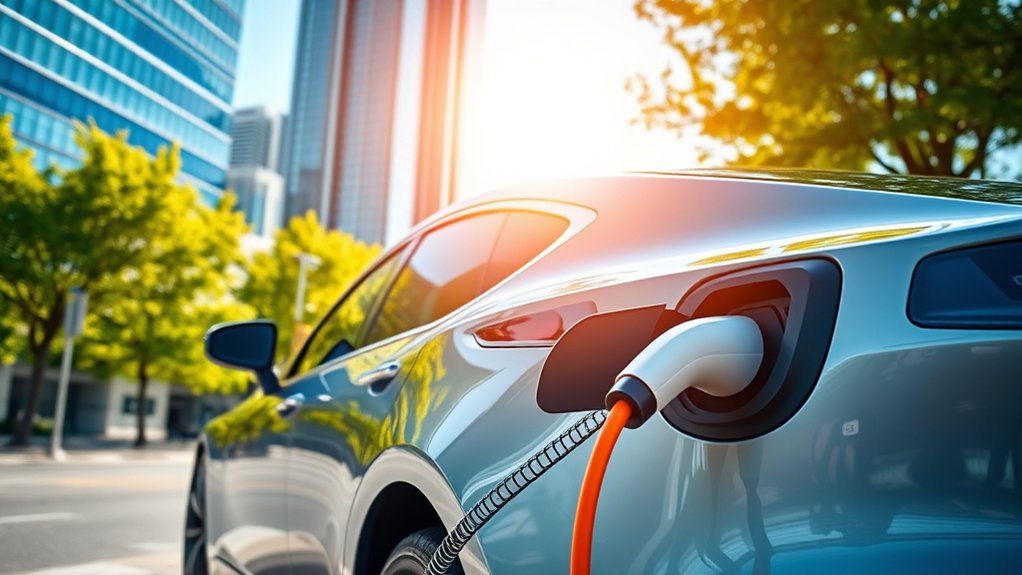
Are Electric Cars Cleaner?
Are you considering switching to an electric car but worried about its environmental impact? You’re not alone—many people struggle with understanding whether electric vehicles are truly eco-friendly.
Electric cars are generally cleaner than gas-powered vehicles because they produce no tailpipe emissions and help improve air quality.
However, their environmental benefits depend on how the electricity is generated and how batteries are made and recycled.
If powered by renewable energy, they are much greener. But if the grid relies on coal, emissions increase.
To understand the full impact and future innovations, keep exploring the factors that influence their eco-friendliness.
Key Takeaways
- Electric cars produce no tailpipe emissions, which helps reduce local air pollutants and improves air quality in cities.
- However, their environmental impact really depends on how the electricity they use is generated. Using renewable energy makes them much cleaner.
- Battery manufacturing and disposal also use a lot of energy and pose environmental challenges. This affects their overall sustainability.
- Transitioning to cleaner electricity sources and improving recycling methods can make electric cars even more environmentally friendly.
- Advances in battery technology and better integration of renewable energy are crucial steps towards making electric cars genuinely greener.
Do Electric Cars Really Help the Environment?
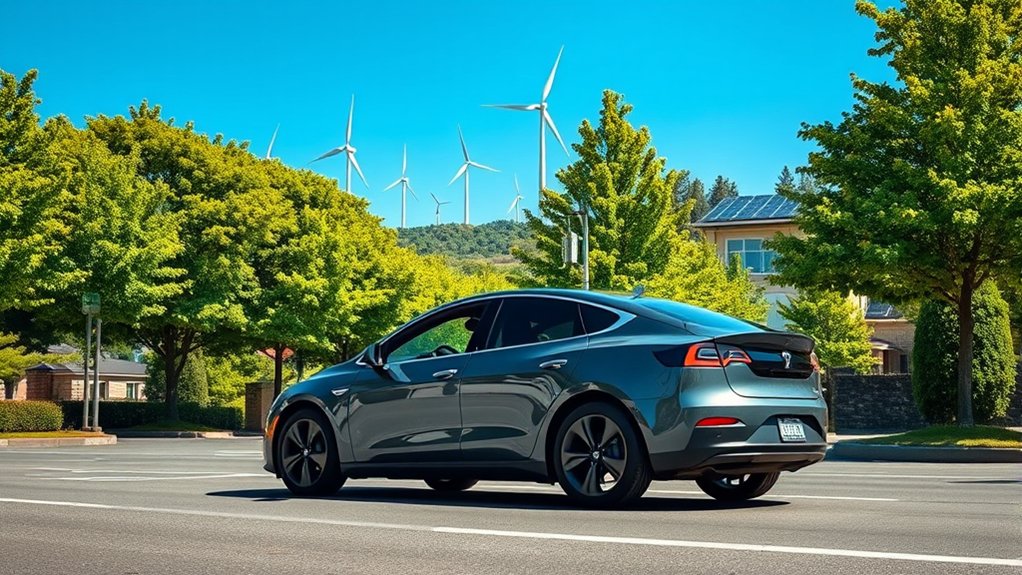
Electric cars are often praised for their potential to reduce pollution, but whether they truly help the environment depends on several factors. Your decision to switch impacts more than just tailpipe emissions.
The source of electricity matters: if your power comes from coal, the environmental benefits decrease. Manufacturing also plays a role; producing batteries requires energy and raw materials, which can generate significant emissions.
Furthermore, battery disposal and recycling influence overall environmental impact. While electric cars produce no exhaust emissions during use, their total benefit depends on how electricity is generated and how batteries are managed.
Understanding these factors helps you see that the environmental impact of electric cars isn’t straightforward. Making informed choices requires considering the full lifecycle, not just the driving phase.
What Are the Environmental Benefits of Driving an Electric Car?
Driving an electric car can significantly lower your greenhouse gas emissions compared to traditional vehicles.
It also helps cut down local air pollution, making the air safer to breathe. Plus, as renewable energy sources become more widespread, your car’s environmental impact gets even smaller.
Reduced Greenhouse Gas Emissions
Because they produce no tailpipe emissions, electric cars greatly reduce greenhouse gases compared to traditional gasoline vehicles. When powered by clean energy, they significantly lower carbon dioxide (CO₂) emissions and help fight climate change.
But the total reduction really depends on where the electricity comes from. Using renewable energy makes the biggest difference, while relying on fossil fuels lessens the benefits.
Here’s a quick look at different energy sources and their emissions impact:
| Energy Source | Emissions Impact |
|---|---|
| Renewable | Very low |
| Coal | Higher |
| Natural Gas | Moderate |
| Oil | High |
| Nuclear | Very low |
Switching to cleaner energy sources for electricity makes electric vehicles more sustainable and better for the environment.
Lower Air Pollution Levels
Although they produce no tailpipe emissions, electric cars help reduce harmful air pollutants that contribute to smog and respiratory problems. Unlike gasoline vehicles, they don’t release nitrogen oxides (NOx) or particulate matter (PM) into the air, which are major pollutants affecting air quality.
This reduction leads to cleaner air in cities and urban areas, benefiting public health. Electric cars also cut down on volatile organic compounds (VOCs) that form ground-level ozone, a key component of smog.
Enhanced Renewable Energy Use
As electric vehicles become more popular, their environmental benefits go beyond just reducing local air pollution. They also help shift us toward cleaner energy sources.
When you drive an electric car, you’re supporting the growth of renewable energy like wind and solar power, which produce electricity without harmful emissions.
As the grid gets greener, your vehicle’s overall carbon footprint drops even more. This creates a positive cycle: higher demand for renewables encourages more investment, leading to better clean energy infrastructure.
Over time, choosing to drive electric helps reduce our reliance on fossil fuels and speeds up the move toward sustainable energy.
Where Do Electric Car Batteries Come From, and How Are They Made?
You might wonder where electric car batteries come from and how they’re made. The process involves sourcing materials like lithium and cobalt, often from different parts of the world. Then they are assembled through complex manufacturing steps.
Understanding these stages helps reveal the environmental impact behind battery production.
Battery Material Sourcing
Electric car batteries rely heavily on specific raw materials like lithium, cobalt, nickel, and graphite, which are sourced from mines around the world. You might not realize that mining these materials often happens in areas with environmental and ethical issues, such as Congo and Australia.
Extracting these minerals involves processes that can damage ecosystems, cause pollution, and sometimes exploit labor. Suppliers face the challenge of balancing demand with responsible sourcing, pushing for more sustainable practices.
Recycling used batteries can help reduce reliance on new mining, but this industry is still developing. As a consumer, understanding where these materials come from can influence your choices and encourage manufacturers to adopt more transparent and ethical supply chains.
Manufacturing Processes Explained
The manufacturing process of electric car batteries transforms raw materials into powerful energy storage units through a series of complex steps. First, essential materials like lithium, cobalt, and nickel are processed and purified.
These materials are then formed into electrodes—positive and negative—by coating metal foils with active chemicals. Next, the electrodes are cut, stacked, or rolled into cells, which are then sealed within protective casings.
These individual cells are assembled into modules, and multiple modules combine to create a complete battery pack. Throughout the process, rigorous quality controls guarantee safety and performance.
Advanced machinery and precise procedures are critical for producing batteries that are reliable, efficient, and long-lasting. This intricate manufacturing chain directly impacts the sustainability and environmental footprint of electric vehicles.
Is the Electricity Used to Charge Electric Cars Actually Green?
Is the electricity powering electric cars truly green? Not always. It really depends on how the electricity is generated. If you plug in at a coal-powered plant, your car’s emissions are higher than you might think. But if your electricity comes from renewable sources, your car’s footprint drops significantly.
Think about this: many grids still rely heavily on fossil fuels, especially coal and natural gas. Renewable sources like wind, solar, and hydro are growing, but they aren’t yet the main sources everywhere.
The carbon footprint of electricity varies a lot depending on your region and the time of day. Upgrading power grids can make charging cleaner over time.
Your charging habits and location also play a big role in how green your electric car really is.
What Are the Environmental Issues With Battery Manufacturing and Recycling?
Manufacturing and recycling lithium-ion batteries pose significant environmental challenges. During production, mining for materials like lithium, cobalt, and nickel can damage ecosystems, cause water pollution, and lead to habitat destruction.
The extraction process often involves energy-intensive methods, which increase carbon emissions. Recycling batteries isn’t straightforward either; it requires complex processes that can release toxic chemicals if not managed properly.
Improper disposal or inadequate recycling methods can lead to soil and water contamination. Plus, the recycling industry faces technical and economic hurdles, making widespread, efficient recycling difficult.
As you think about electric vehicles, it’s important to recognize that battery manufacturing and disposal contribute to environmental issues, even if they help reduce emissions during vehicle use. Managing these challenges is key to truly sustainable electric mobility.
Do Electric Cars Reduce Carbon Emissions Over Their Entire Lifespan?
Electric cars often produce fewer emissions over their entire lifespan compared to conventional gasoline vehicles, but this depends on several factors. Your driving habits, the energy source used for electricity, and manufacturing processes all influence the total carbon footprint.
When charged with renewable energy, electric cars greatly cut emissions. However, if the electricity comes from coal or fossil fuels, the benefits diminish. The manufacturing phase also adds emissions, especially from battery production.
Over time, the reduced emissions from driving typically outweigh initial impacts. Consider these factors: the cleanliness of your local electricity grid, the vehicle’s lifespan and mileage, advances in battery recycling technology, improvements in manufacturing efficiency, and regional differences in energy sources.
Are There Hidden Environmental Costs of Owning an Electric Car?
While electric cars seem eco-friendly, their batteries require energy-intensive production that impacts the environment. Recycling these batteries presents challenges, and the overall benefit depends on how electricity is generated.
You should consider these hidden costs before assuming electric cars are completely clean.
Battery Production Impact
Although electric cars produce zero emissions during operation, their battery production can carry significant environmental costs. Mining for materials like lithium, cobalt, and nickel requires extensive land excavation, often disrupting ecosystems and wildlife.
The process consumes large amounts of water, leading to shortages in some regions. Manufacturing batteries involves energy-intensive processes that emit greenhouse gases. Moreover, extracting these minerals can result in deforestation, soil erosion, and pollution from toxic runoff.
The supply chain’s complexity increases the carbon footprint before you even drive your vehicle. Land degradation from mining sites, high water usage and contamination risks, and heavy energy consumption in manufacturing all contribute to environmental harm. Disruption of local ecosystems and toxic waste from mineral processing are also major concerns.
Recycling Challenges
Recycling electric car batteries presents big environmental challenges that are often overlooked. The batteries contain toxic materials like lithium, cobalt, and nickel, which can harm ecosystems if not handled properly.
Recycling processes are complex and take a lot of energy. They require specialized facilities that aren’t common, and these facilities need to carefully extract valuable metals while preventing contamination.
Unfortunately, current recycling rates are low, so many batteries end up in landfills. There, they can leach hazardous chemicals into the environment.
Developing efficient, scalable recycling methods remains a major hurdle. As an EV owner, you might not realize that your vehicle’s end-of-life disposal has hidden environmental costs.
Without better recycling infrastructure, the environmental benefits of electric cars could be offset by the challenges of responsibly managing their batteries.
Electricity Source Effects
Electric cars are often praised for their lower emissions, but the environmental impact of their electricity source can reveal hidden costs. If your electricity comes from coal or natural gas, the overall carbon footprint might be higher than expected.
The energy mix varies widely by region, which affects how green your car truly is. You might also face environmental issues related to mining for battery materials, which require a lot of energy and can harm ecosystems.
Power plants produce air pollution and greenhouse gases that contribute to climate change. So, the environmental benefits of electric vehicles depend heavily on how the electricity is generated and the lifecycle impacts of battery production.
- Regional energy sources determine emissions
- Coal-based power increases carbon footprint
- Natural gas emits less but still releases greenhouse gases
- Battery production involves resource extraction
- Power plant pollution impacts air quality
How Do Different Regions Affect the Eco-Friendliness of Electric Vehicles?
The eco-friendliness of electric vehicles really depends on where you live because regional factors influence both the sources of electricity and environmental policies. In areas with clean energy grids, like parts of Scandinavia, your electric car produces fewer emissions overall.
On the other hand, if your electricity mainly comes from coal or other fossil fuels, driving electric might still create significant pollution. Local policies also matter. Places with strict emission standards and incentives for renewable energy tend to encourage cleaner vehicle use.
Infrastructure is important too. Charging stations powered by renewable sources can make your electric vehicle even greener. So, depending on your region’s energy mix and policies, the environmental benefits of your electric car can vary a lot. Your location really plays a key role in how green your electric vehicle is.
What Innovations Could Make Electric Cars Even Cleaner in the Future?
Advancements in battery technology hold great promise for making electric cars even cleaner in the future. Expect batteries to become more efficient, longer-lasting, and less harmful to produce.
Innovations like solid-state batteries could drastically improve energy density and safety. Recycling methods will likely evolve, allowing you to reuse materials more effectively and reduce waste.
Researchers are exploring alternative materials, such as lithium-silicon or sodium-ion, to cut reliance on finite resources. Furthermore, integrating renewable energy sources into manufacturing processes will lower the carbon footprint of producing electric cars.
These innovations aim to make your electric vehicle not just cleaner during operation but also throughout its lifecycle, helping you reduce your overall environmental impact.
How Can You Choose a More Eco-Friendly Electric Car?
Choosing a more eco-friendly electric car starts with understanding how different models impact the environment. Look for vehicles with longer ranges and efficient batteries to reduce the need for frequent charging and lower emissions.
Consider the source of the electricity used to charge the car. Renewable energy makes a big difference in reducing your carbon footprint. Also, research the manufacturer’s sustainability practices and recycling programs for batteries.
| Feature | Why it Matters | What to Check |
|---|---|---|
| Battery Efficiency | Affects energy use and emissions | Look for high-capacity, durable batteries |
| Charging Source | Impacts overall carbon footprint | Use renewable energy when possible |
| Manufacturing Impact | Environment during production | Choose brands with eco-friendly practices |
| End-of-Life Recycling | Guarantees sustainable disposal | Find models with recycling programs |
Frequently Asked Questions
How Long Do Electric Car Batteries Typically Last Before Needing Replacement?
Electric car batteries usually last between 8 to 15 years before they need to be replaced, depending on how you use and maintain them.
You can help extend their lifespan by avoiding extreme temperatures, not overcharging, and following the manufacturer’s guidelines.
Most batteries gradually lose capacity over time, but with proper care, you might not need a replacement for a decade.
When they do need replacing, the process is often more affordable than you might expect.
What Is the Impact of Electric Car Manufacturing on Local Communities?
You might think electric car manufacturing always harms local communities, but that’s not entirely true. When done responsibly, it can boost local economies by creating jobs and supporting suppliers.
However, if factories ignore environmental standards or community needs, they can cause pollution, noise, and social disruption. It’s essential to investigate each company’s practices to guarantee manufacturing benefits the community without causing unnecessary harm.
Proving responsible production is key.
Are Electric Cars More Environmentally Friendly Than Hybrid Vehicles?
Yes, electric cars are generally more environmentally friendly than hybrid vehicles. You benefit from zero tailpipe emissions, which helps reduce air pollution and greenhouse gases.
While hybrids still use gasoline, they emit less than traditional cars. Electric cars also tend to have a smaller carbon footprint over their lifetime, especially when charged with renewable energy.
How Does the Weight of an Electric Car Affect Its Environmental Footprint?
The weight of an electric car is like a double-edged sword. It adds heft that can increase energy use but also helps stabilize the vehicle and improve safety.
Heavier vehicles demand more electricity to charge, which can lead to a larger environmental footprint, especially if the power comes from fossil fuels.
Still, advances in battery technology and lightweight materials can help offset this impact, making electric cars greener over time.
What Are the Challenges in Recycling Electric Car Batteries Effectively?
You face several challenges recycling electric car batteries effectively. The process is complex because batteries contain hazardous materials and valuable metals like lithium, cobalt, and nickel.
Extracting these metals safely requires advanced technology and strict regulations, which aren’t always in place. Furthermore, the lack of standardized recycling methods and the increasing number of used batteries strain existing facilities.
This makes efficient, widespread recycling a significant hurdle for environmental sustainability.
Conclusion
While electric cars bring a gentle touch to our planet’s well-being, they aren’t entirely free from footprints. By staying informed and making mindful choices, you can help steer toward a greener future.
Adopt innovations and regional opportunities to maximize your eco-friendly impact. Remember, every small step counts—your journey toward cleaner driving with electric cars is a delicate dance with nature’s best interests in mind.
Together, we can help nurture a healthier, brighter world by embracing cleaner transportation options like electric cars.