
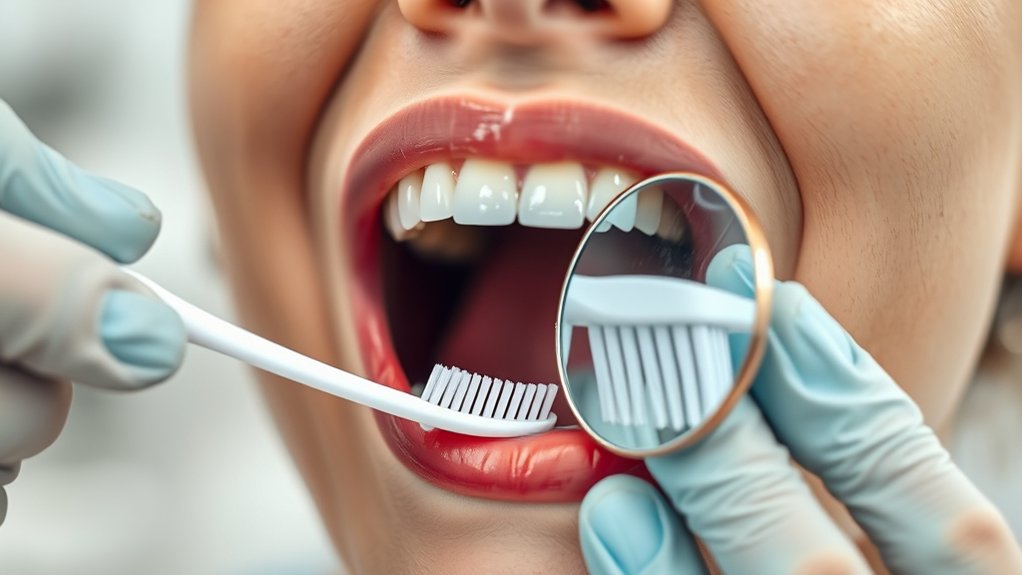
What Is Teeth Cleaning and Is It Preventive Care?
Many people struggle with maintaining a bright, healthy smile amidst busy schedules and daily challenges. You’re not alone—oral health can often be overlooked, leading to cavities, gum problems, and bad breath. That’s where teeth cleaning comes in as a simple yet powerful solution.
Teeth cleaning is a routine dental procedure where a hygienist removes plaque and tartar to help keep your mouth healthy. It’s a preventive care step that reduces your risk of cavities, gum disease, and bad breath.
Regular cleanings also catch issues early and protect your enamel. Since this process is safe for most people, staying consistent with cleanings is key.
Keep exploring how these visits can benefit your oral health even more.
Key Takeaways
- Teeth cleaning involves removing plaque and tartar to keep your mouth healthy and prevent problems.
- It’s a preventive step that can lower the chances of cavities, gum disease, and bad breath.
- Regular cleanings also help catch dental issues early, so they can be treated before they get worse.
- The procedure is usually done every six months and is safe for most people.
- Keep in mind, teeth cleaning isn’t the same as whitening. It’s more about prevention than just making your teeth look better.
What Is Teeth Cleaning and How Is It Done?
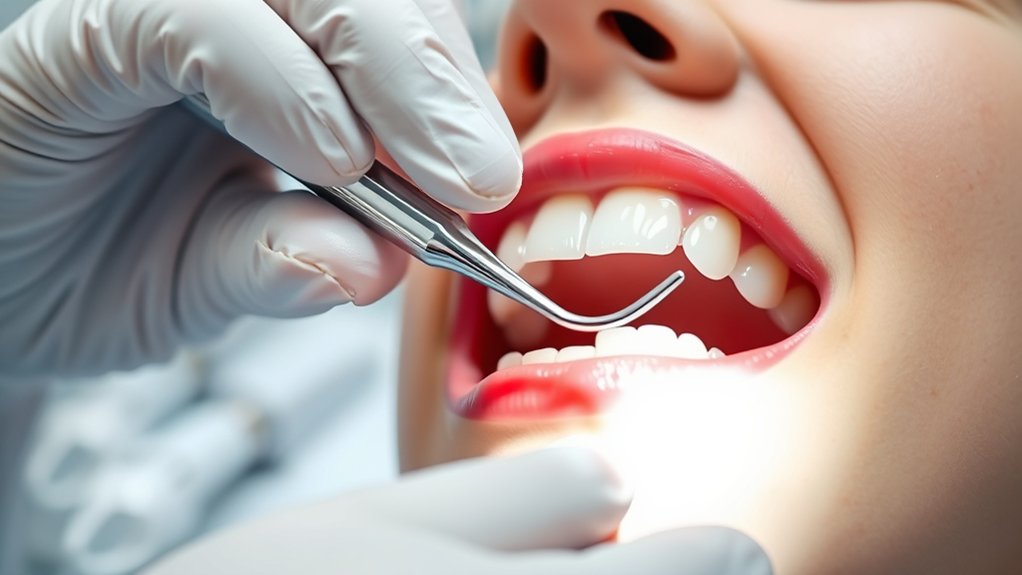
Teeth cleaning is a routine dental procedure that helps remove plaque and tartar buildup, keeping your mouth healthy.
During the process, your dentist or hygienist uses special tools like scalers to carefully scrape away hardened tartar from your teeth surfaces and below the gumline.
Dentists use special tools like scalers to gently remove hardened tartar from teeth surfaces and beneath the gums.
They may also use an ultrasonic device that vibrates to loosen stubborn deposits. After removing plaque and tartar, they polish your teeth with a gritty paste to smooth the surfaces and make future plaque buildup harder.
The procedure usually takes about 30 to 60 minutes and is painless, though some people might experience slight sensitivity.
Regular cleanings help prevent cavities, gum disease, and bad breath, making them an essential part of maintaining your oral health.
Why Is Regular Teeth Cleaning Important for Your Oral Health?
Regular teeth cleaning helps prevent plaque buildup, which can lead to cavities and gum disease. It’s an easy way to keep your teeth healthy and strong.
It also keeps your breath fresh and odor-free, so you can feel confident when you’re talking or smiling.
Sticking to regular cleanings supports your overall oral health and helps you maintain a bright, healthy smile.
Prevents Plaque Buildup
Plaque can quickly build up on your teeth, leading to cavities and gum disease if you don’t remove it regularly. Regular teeth cleanings help prevent this by getting rid of plaque before it hardens into tartar.
Tartar is tough to remove on your own and can cause inflammation and decay. That’s why professional cleanings are so important for your oral health.
| Benefit | How It Helps |
|---|---|
| Stops Cavities | Removes bacteria that cause decay |
| Prevents Gum Disease | Reduces inflammation and bleeding |
| Maintains Tooth Enamel | Protects against erosion |
| Promotes Overall Oral Health | Keeps your mouth healthy and fresh |
Maintains Fresh Breath
By removing plaque and tartar during cleanings, you also prevent the buildup of bacteria that cause bad breath. These bacteria produce foul-smelling compounds, leading to persistent bad odor. Regular teeth cleanings eliminate these bacteria, helping you maintain fresh breath throughout the day.
When plaque isn’t removed, it hardens into tartar, which is even harder to clean and harbors odor-causing bacteria. Cleanings also target food particles and debris lodged between teeth, preventing odor development.
Besides freshening your breath, professional cleanings reduce the risk of gum disease, which can contribute to bad breath. Staying consistent with dental visits guarantees your mouth stays clean and healthy, giving you confidence in your smile and breath.
Ultimately, regular teeth cleaning is a simple, effective way to keep your breath fresh and your oral health in check.
How Does Teeth Cleaning Prevent Cavities and Gum Disease?
Regular teeth cleanings remove plaque, which is the main cause of cavities and gum disease. They help keep your mouth healthy and clean.
They also help control tartar buildup that can’t be brushed away at home, reducing your risk of infections. This makes a big difference in preventing serious dental problems.
Plaque Removal Effectiveness
Effective teeth cleaning removes the sticky film of plaque that forms on your teeth throughout the day, preventing it from hardening into tartar. Regular cleanings effectively eliminate plaque buildup, which is the main cause of cavities and gum disease.
When plaque is removed promptly, it stops bacteria from producing acids that erode tooth enamel and inflame gums. Professional cleanings use specialized tools to reach areas you might miss with brushing and flossing, ensuring thorough removal.
By consistently removing plaque, you reduce the risk of developing decay and periodontal issues. This process not only helps maintain fresh breath but also keeps your teeth and gums healthy in the long run.
Regular cleanings are an essential part of preventive dental care, protecting your smile from future problems.
Tartar Control Benefits
Teeth cleaning plays an essential role in controlling tartar buildup, which is a hardened form of plaque that can’t be removed with regular brushing. When tartar forms, it sticks tightly to your teeth and creates a rough surface where bacteria thrive.
Regular professional cleanings effectively remove this hardened deposit, preventing it from accumulating further. By removing tartar, your teeth stay smoother and less prone to bacterial growth, reducing the risk of cavities.
Tartar buildup also irritates your gums, making them more susceptible to inflammation. Keeping tartar in check through routine cleanings helps maintain your oral health and prevents issues before they develop.
Ultimately, tartar control is a key part of preventive care that keeps your mouth healthier and reduces the need for more extensive dental treatments later on.
Gum Disease Prevention
Removing tartar during dental cleanings not only keeps your teeth smooth but also plays an essential role in preventing gum disease. When tartar buildup is removed, your gums are less likely to become inflamed or infected.
Regular cleanings help eliminate plaque, which is the main cause of gum disease, preventing it from hardening into tartar. This reduces the risk of gingivitis and more severe conditions like periodontitis.
Here’s a quick overview to help you understand better:
| Benefit | How It Works | Result |
|---|---|---|
| Removes plaque | Clears bacteria and debris from tooth surfaces | Prevents gum inflammation |
| Eliminates tartar | Prevents hardening and bacterial growth | Protects gum health |
| Maintains gum attachment | Supports healthy gum-tooth connection | Reduces gum recession and bleeding |
Regular teeth cleaning is your best defense against gum disease.
What Are Tartar and Plaque, and Why Do They Need Removal?
Plaque is a sticky film made up of bacteria, food particles, and saliva that constantly forms on your teeth. If you don’t brush and floss regularly, it hardens into tartar, which can only be removed by a dentist or hygienist.
Plaque is a sticky film of bacteria and food that hardens into tartar if not removed regularly.
Tartar creates a rough surface that makes it easier for more plaque to stick. This can lead to cavities and gum disease, so it’s important to get it cleaned off. Both plaque and tartar irritate your gums, causing inflammation and bleeding.
They also give bacteria a perfect place to grow, which can damage your tooth enamel and the bones that support your teeth. Removing plaque and tartar is essential to keep your mouth healthy, prevent decay, and avoid more serious dental problems.
Regular cleanings help keep your mouth fresh and free from harmful bacteria that can cause long-term damage.
Is Teeth Cleaning Safe for Everyone?
Is teeth cleaning safe for everyone? Generally, yes. It’s a safe procedure that benefits most people. Professional cleanings are done by trained dental hygienists using gentle tools to remove plaque and tartar.
However, if you have certain health conditions, like weakened immune systems, bleeding disorders, or recent oral surgeries, you should tell your dentist beforehand. These conditions may need special precautions or adjustments.
Pregnant women can usually get teeth cleaning safely, but it’s best to check with your healthcare provider first. Overall, routine cleanings are low-risk and help prevent more serious dental problems.
If you have any concerns or health issues, talk to your dentist to make sure the procedure is safe for you.
How Often Should You Get Your Teeth Professionally Cleaned?
How often you should get your teeth professionally cleaned depends on your individual oral health needs. Most people benefit from a cleaning every six months.
Regular cleanings help remove plaque and tartar buildup that brushing and flossing might miss. This helps prevent cavities and gum disease.
If you have a history of dental issues, your dentist might recommend more frequent visits, like every three or four months.
On the other hand, if your oral health is great, you might only need cleanings once a year.
Consistent professional cleanings also let your dentist monitor your oral health, catch problems early, and give personalized advice.
Sticking to your dentist’s recommended schedule is key to keeping your smile healthy and bright.
Teeth Cleaning vs. Whitening: What’s the Difference?
Wondering about the difference between teeth cleaning and whitening? Teeth cleaning involves removing plaque, tartar, and surface stains to keep your mouth healthy. It’s a preventive procedure that helps prevent cavities and gum disease.
Whitening, on the other hand, targets stains and discoloration to brighten your smile. It’s a cosmetic treatment that changes the shade of your teeth, often using bleaching agents.
While cleaning focuses on health and hygiene, whitening is all about appearance. Cleaning is usually done regularly to prevent issues, while whitening is done periodically to improve how your teeth look.
Knowing the difference helps you make better choices about your dental care. It ensures you take care of both your oral health and your confident smile.
Can Teeth Cleaning Help Fight Bad Breath?
Absolutely, teeth cleaning can really help fight bad breath. When you visit the dentist for a professional cleaning, they remove plaque and tartar buildup that trap bacteria responsible for bad odors. These bacteria produce sulfur compounds that cause bad breath, especially if not treated.
Regular cleanings cut down on these bacteria, leading to fresher breath. They also help remove food particles stuck between your teeth, which can cause unpleasant smells. Keeping up good oral hygiene at home is important, but professional cleanings target areas you might miss and prevent buildup.
If you’re prone to bad breath, scheduling routine teeth cleanings can make a big difference. It’s a simple, effective way to improve your oral freshness and boost your confidence. Plus, it supports overall oral health.
What Happens During a Typical Teeth Cleaning Appointment?
During a typical teeth cleaning appointment, your dentist first examines your teeth and gums to check for any issues. Then, they remove plaque and tartar buildup to clean your teeth thoroughly.
Finally, they polish your teeth and may apply fluoride to help protect against cavities.
Examination and Plaque Removal
When you arrive for your teeth cleaning appointment, the dental hygienist starts by examining your mouth to look for any signs of problems like cavities or gum disease. They carefully check your gums, teeth, and overall oral health, watching for inflammation, bleeding, or decay.
Next, they remove plaque, which is a soft, sticky film of bacteria, using special tools. This step is really important because plaque buildup can cause cavities and gum issues if it’s not taken care of.
During the process, they might scrape away plaque from your tooth surfaces, remove hardened tartar, check your bite and jaw alignment, and note areas that might need extra attention. They may also discuss any worries you have about your oral health.
This thorough exam and plaque removal help set the stage for better prevention and a healthier smile.
Polishing and Fluoride Treatment
After the hygienist finishes removing plaque and checking your oral health, they typically move on to polishing your teeth and applying fluoride. Polishing helps smooth the tooth surfaces, removing surface stains and making your teeth feel clean and shiny. They’ll use a small, rotating rubber cup or brush with a gritty paste to gently polish each tooth.
Once polishing is complete, they’ll apply a fluoride treatment. Fluoride helps strengthen your enamel, making it more resistant to cavities. This usually involves applying a gel, foam, or varnish directly to your teeth, often with a tray or brush.
You might feel a cooling or tingling sensation during the fluoride application, but it’s quick and painless. This step improves your oral health by providing an extra layer of protection against decay.
Why Is Regular Teeth Cleaning a Key Part of Dental Care?
Regular teeth cleaning is essential because it helps prevent the buildup of plaque and tartar. These can lead to cavities and gum disease if not removed. By keeping your teeth clean, you lower the chances of infections and decay.
Regular cleanings also help keep your breath fresh and your smile bright. This can boost your confidence and make you feel good about your appearance. Plus, routine visits to the dentist let them catch early signs of problems before they get worse.
That way, you can avoid discomfort and expensive treatments down the line. Regular dental care is a simple way to support your overall oral health and keep your smile looking its best.
Frequently Asked Questions
Are There Any Risks or Side Effects Associated With Professional Teeth Cleaning?
Yes, there are some risks and side effects associated with professional teeth cleaning, but they’re usually minor. You might experience temporary tooth sensitivity or gum irritation afterward.
In rare cases, improper cleaning can cause gum damage or expose root surfaces. If you have underlying dental issues or gum disease, it’s best to talk to your dentist beforehand.
How Much Does a Typical Teeth Cleaning Procedure Usually Cost?
A typical teeth cleaning usually costs between $75 and $200, depending on your location and the dental office.
You might find prices vary wildly—some clinics offer discounts or package deals, making it more affordable.
Keep in mind, investing in regular cleanings can save you from costly dental issues later.
Think of it as a small price for a smile that shines brighter than a million stars!
Can Teeth Cleaning Procedures Cause Sensitivity or Discomfort?
Yes, teeth cleaning procedures can cause sensitivity or discomfort, especially if you have sensitive gums or teeth. You might feel a slight twinge when the hygienist uses the tools or applies the polishing paste.
However, these sensations are usually temporary. To minimize discomfort, let your dentist know about any sensitivities beforehand.
Regular cleanings can actually reduce sensitivity over time by removing plaque and tartar buildup.
Do Children Need Special Considerations for Teeth Cleaning?
Yes, children need special considerations for teeth cleaning. You should use gentle techniques and child-friendly tools to ensure they’re comfortable and safe.
It’s important to watch how they react and avoid scrubbing too hard, which can make their teeth sensitive. Regular dental visits help catch problems early.
Keep the experience positive, and encourage good oral hygiene habits at home. This helps promote healthy teeth and gums as they grow.
How Does Teeth Cleaning Differ for People With Dental Implants or Braces?
Imagine your braces or implants as delicate castles needing special guards. For braces, your dentist uses interdental brushes and floss threaders to navigate around wires and brackets, removing trapped food and plaque.
With implants, they focus on gentle, thorough cleaning to prevent gum issues, using soft brushes and special tools. You might notice a slightly different routine, but these tailored methods keep your smile healthy and bright.
Conclusion
Think of teeth cleaning as a gentle rain washing away the debris that shadows your smile’s sparkle. Regular visits keep your oral landscape fresh and vibrant, preventing cavities and gum troubles before they take root.
By choosing consistent care, you’re not just cleaning teeth—you’re nurturing a radiant, healthy foundation that shines through every smile. Welcome this simple act, and let your healthy teeth be the shining stars in your everyday story.
Teeth cleaning is a vital part of preventive care. It helps maintain your oral health and keeps your smile bright and beautiful.