
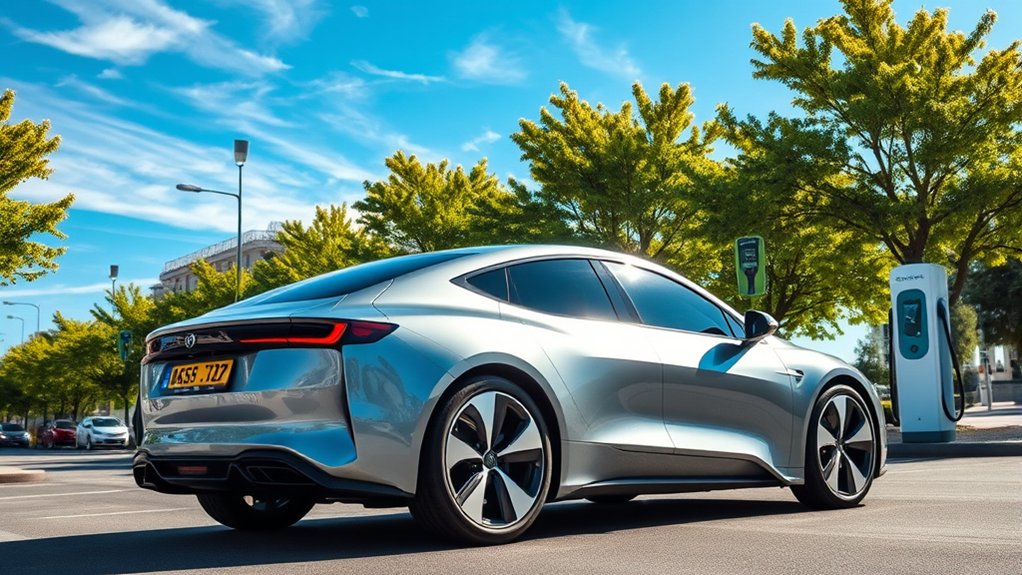
Are Hydrogen Cars Cleaner Than Electric?
Many people are curious about which eco-friendly vehicle is better for our planet—hydrogen cars or electric vehicles. It’s a common dilemma, especially as more options promise to reduce emissions and fight climate change.
Hydrogen cars can be cleaner than electric vehicles, but it depends on how hydrogen is produced and the energy sources used. If hydrogen is made through renewable-powered electrolysis, it has a lower environmental impact.
However, if produced from fossil fuels, it releases more emissions.
Electric vehicles generally produce fewer greenhouse gases, especially if charged with clean energy.
To uncover how each option impacts our environment across their entire lifecycle, keep exploring these details further.
Key Takeaways
- Electric cars produce no tailpipe emissions. However, their environmental impact depends on the electricity source used for charging.
- Hydrogen cars emit only water vapor during operation. But they might rely on fossil fuels to produce hydrogen, which can increase their overall emissions.
- Green hydrogen, made from renewable energy, offers a cleaner option. It helps reduce the lifecycle emissions associated with hydrogen fuel.
- Both types of vehicles’ environmental impacts are also affected by how they’re manufactured and the materials used. This process can sometimes harm ecosystems.
- Overall, electric vehicles tend to be cleaner during use, especially when charged with renewable energy, compared to hydrogen cars.
What Are Hydrogen and Electric Vehicles?
Hydrogen and electric vehicles are two types of clean-energy cars that are becoming more popular as alternatives to traditional gasoline-powered vehicles.
Hydrogen cars run on fuel cells that combine hydrogen with oxygen, producing electricity to power the motor, with water as the only emission. Electric vehicles run solely on batteries stored with electrical energy, which powers an electric motor.
Both types aim to cut emissions and reduce reliance on fossil fuels. Hydrogen cars usually offer quick refueling times and longer ranges, while electric cars are known for their ease of use and widespread charging stations.
Understanding these basic differences can help you see how each vehicle fits into the bigger goal of cleaner transportation.
How Are Hydrogen and Electric Cars Made?
You’ll see that making hydrogen and electric cars involves different manufacturing processes and energy sources.
Electric cars mainly focus on assembling batteries, which are often made using renewable energy sources. Hydrogen vehicles, on the other hand, require the production of fuel cells and hydrogen fueling systems.
Understanding these steps helps you appreciate the technical and environmental differences between the two types.
Manufacturing Processes Overview
Manufacturing hydrogen and electric cars involves different processes, each suited to their specific components and tech.
For electric cars, you assemble batteries, electric motors, and electronic systems. You get lithium, cobalt, and other materials to build large battery packs, then put these into the vehicle chassis.
The focus is on precise assembly of complex electrical parts to ensure safety and performance.
In contrast, hydrogen car manufacturing revolves around making fuel cells and high-pressure hydrogen tanks. You build fuel cell stacks that turn hydrogen into electricity, and you install durable, lightweight tanks to store hydrogen safely.
This process involves specialized welding and testing to ensure leak-proof storage and efficient fuel cell operation.
Both processes need careful quality control, but the materials and techniques highlight their key technological differences.
Energy Sources Used
The energy sources powering hydrogen and electric cars come from very different origins and production methods.
Hydrogen cars rely on hydrogen fuel, which is mainly produced through steam methane reforming or electrolysis. Steam methane reforming uses natural gas and releases carbon emissions, while electrolysis splits water into hydrogen and oxygen, especially when powered by renewable energy.
Electric cars depend on electricity generated from various sources like coal, natural gas, nuclear, hydro, wind, or solar. The environmental friendliness of electric vehicles depends on your region’s energy mix. If your electricity comes from renewables, your car’s emissions are lower. But if it’s mainly from coal, the environmental benefits are reduced.
Understanding these sources helps you see the real environmental impact of each vehicle type.
What Are the Environmental Impacts of Manufacturing EV Batteries and Hydrogen Fuel?
When manufacturing EV batteries and hydrogen fuel, extracting materials like lithium and cobalt can harm ecosystems and raise ethical concerns. The process of getting these materials out can disrupt local environments and sometimes involve questionable labor practices.
The production process also generates significant carbon emissions, which contribute to climate change. These emissions come from energy use during mining, refining, and manufacturing, adding to the environmental footprint.
Plus, recycling and disposal pose ongoing challenges to minimize long-term environmental damage. Finding ways to properly recycle batteries and handle waste is crucial to reduce pollution and conserve resources.
Battery Material Extraction Impacts
Extracting the materials needed for EV batteries and hydrogen fuel cells can greatly impact the environment. Mining for lithium, cobalt, and nickel often causes habitat destruction, water pollution, and high energy consumption. These processes can deplete local water sources and release toxic chemicals into ecosystems.
Furthermore, the extraction of rare earth metals used in fuel cells can lead to soil instability and biodiversity loss. Habitat destruction from open-pit mining, water contamination from chemical runoff, and high energy use during extraction all contribute to environmental harm.
You may not realize how much strain is involved just to obtain raw materials. These impacts highlight the importance of developing sustainable mining practices and recycling methods to reduce the ecological footprint of both EV batteries and hydrogen fuel cells.
Manufacturing Carbon Footprint
Manufacturing EV batteries and hydrogen fuel cells requires a lot of energy, often from fossil fuels that emit plenty of greenhouse gases. Producing lithium-ion batteries involves mining raw materials like lithium, cobalt, and nickel, which is intensive and leads to high carbon emissions.
Similarly, making hydrogen fuel cells involves producing platinum catalysts and other parts that need energy-heavy processes. These activities cause significant upfront emissions, making the initial carbon footprint of both technologies quite large.
While improvements are reducing manufacturing impacts, the energy used during production still plays a big role in their overall environmental footprint. This initial phase can sometimes outweigh the emissions saved when the vehicles are in use.
That’s why cleaner manufacturing practices are so important if we want to really lower their environmental impact in the long run.
Recycling and Disposal Challenges
The environmental impacts of producing EV batteries and hydrogen fuel cells go beyond just manufacturing; they also create challenges when it comes to recycling and disposal. As these technologies become more common, managing their end-of-life parts is really important.
Lithium-ion batteries contain toxic materials like cobalt and nickel, which can leak into soil and water if they’re not recycled properly. Hydrogen fuel cells use platinum, a rare and expensive metal, making disposal inefficient and harmful to the environment.
To tackle these issues, we should develop better recycling methods that recover valuable metals efficiently. It’s also important to have policies in place that ensure proper disposal and reduce landfill waste.
Finally, exploring alternative materials that rely less on rare and toxic components can make these technologies more sustainable. Proper management of these materials is key to minimizing environmental harm and supporting cleaner transportation.
How Do Charging and Refueling Affect Vehicle Emissions?
Have you ever wondered how the way a vehicle is refueled or charged impacts its overall emissions? When you charge an electric car, the emissions depend heavily on the electricity source. If your power comes from coal or natural gas, the process releases more greenhouse gases.
Conversely, using renewable energy like wind or solar reduces emissions considerably. For hydrogen cars, refueling involves producing hydrogen, which can be energy-intensive and generate emissions if made from fossil fuels.
The efficiency of the refueling process also matters. Quick refueling or charging can sometimes lead to higher energy losses. Ultimately, the environmental impact of refueling or charging hinges on the energy sources and technology used, influencing the total emissions associated with operating your vehicle.
Which Vehicle Produces Fewer Greenhouse Gases During Use?
When comparing the greenhouse gases produced during vehicle use, electric cars generally have the advantage over hydrogen cars, especially if their electricity comes from renewable sources. Electric vehicles emit no tailpipe emissions, so their greenhouse gases depend on the energy mix used to generate electricity. If powered by renewables, their emissions are minimal.
Hydrogen cars, on the other hand, produce water vapor but still rely on hydrogen production, which often involves fossil fuels, leading to greenhouse gases. Consider these points: electric cars benefit from cleaner energy grids, reducing emissions during use.
Hydrogen vehicles may produce more emissions if hydrogen is derived from natural gas. The overall environmental impact depends greatly on energy sources and production methods.
What Are the Challenges in Producing and Distributing Hydrogen?
Producing and distributing hydrogen face some big hurdles. The main methods depend heavily on fossil fuels, which can release greenhouse gases and hurt environmental benefits.
Steam methane reforming is the most common way, but it emits CO₂, making hydrogen less eco-friendly. Transporting hydrogen needs special pipelines or high-pressure tanks, which makes the infrastructure costly and complicated.
Storing hydrogen is also challenging because it’s highly flammable and requires safe containment. Here’s a quick look at some key issues:
| Challenge | Impact | Solution/Consideration |
|---|---|---|
| Fossil fuel reliance | Emissions during production | Green hydrogen via electrolysis |
| Infrastructure costs | Expensive setup for pipelines and tanks | Government investment |
| Storage safety | Flammability risks | Advanced containment tech |
| Distribution complexity | Limited current networks | Building dedicated pipelines |
| Energy intensity of production | High energy use | Renewable energy integration |
Is Hydrogen Truly a Cleaner Option Over Its Full Lifecycle?
While hydrogen promises to be a clean energy source, its real environmental impact depends a lot on how it’s produced and managed throughout its lifecycle. If it’s made using fossil fuels, especially older methods, it can generate significant emissions, which defeats its eco-friendly appeal.
On the other hand, green hydrogen—produced with renewable energy—can be much cleaner. But there are still challenges, like the energy needed for electrolysis and the source of the electricity used.
Leaks during storage and transportation can also release greenhouse gases, adding to environmental concerns. Plus, building and maintaining hydrogen infrastructure has its own environmental footprint.
In the end, whether hydrogen is truly cleaner than other options depends on managing its entire lifecycle. Without careful oversight, it might end up just as polluting as traditional fuels.
What Innovations Could Make Both Hydrogen and Electric Cars More Eco-Friendly?
Innovations in technology and infrastructure are crucial for making both hydrogen and electric cars much more eco-friendly. Advances like solid-state batteries can boost energy density, cut charging times, and reduce environmental impacts during manufacturing.
For hydrogen vehicles, better electrolysis methods powered by renewable energy can produce greener hydrogen more efficiently. Building more fast-charging stations and green hydrogen refueling points makes eco-friendly options easier to access.
Smart grid integration helps manage energy better, reducing waste. Plus, recycling innovations for batteries and fuel cells can cut down on waste and resource extraction. Embracing these innovations will help you drive cleaner, more sustainable vehicles, lowering your carbon footprint and supporting a healthier planet.
Frequently Asked Questions
How Do Costs Compare Between Hydrogen and Electric Vehicles?
You’ll find that electric vehicles generally cost less upfront than hydrogen cars, mainly because manufacturing is cheaper and battery production is widespread.
However, hydrogen cars usually have higher fuel costs since hydrogen fuel is more expensive and harder to find. Maintenance costs for both are similar, but electric vehicles typically have fewer moving parts.
Which Type Offers Better Long-Term Sustainability?
Electric vehicles generally offer better long-term sustainability because they produce zero emissions during operation and can be powered by renewable energy sources, reducing environmental impact over time.
Hydrogen cars, while promising, depend on fossil fuels for hydrogen production and have limited infrastructure, which makes their long-term sustainability more challenging.
You’ll likely find electric cars more reliable and eco-friendly as renewable energy becomes more accessible and technology continues to improve.
Are Hydrogen Refueling Stations Widely Available?
Have you ever wondered where you can fill up a hydrogen car?
Hydrogen refueling stations are still few and far between, mainly concentrated in regions like California and parts of Europe.
While the infrastructure is expanding, it’s not yet as widespread as electric charging stations.
How Safe Are Hydrogen Cars Compared to Electric Vehicles?
Hydrogen cars are generally safe, but they do carry some risks because hydrogen is flammable. You might worry about leaks or explosions, but modern safety features and strict standards help reduce those risks.
Electric vehicles also have safety concerns, mainly related to battery fires. Overall, both types are designed with safety in mind, and accidents are rare.
Still, it’s important to handle and maintain them properly to ensure maximum safety.
What Is the Future Outlook for Hydrogen and Electric Car Adoption?
The future looks promising for both hydrogen and electric cars, with more investments and technological progress. You’ll likely see more electric vehicles on the road because of their efficiency and growing charging stations.
Hydrogen cars might become more popular in heavy-duty transportation and in regions focusing on renewable hydrogen production. Overall, both technologies will coexist, offering a variety of options for cleaner, sustainable transportation that suit different needs and preferences.
Conclusion
While hydrogen cars might seem cleaner at first glance, their full lifecycle reveals challenges in production and distribution. Electric vehicles, though demanding energy-intensive battery manufacturing, offer a more straightforward path to reducing emissions during use.
Both options aim to lessen our carbon footprint, but neither is perfect yet. As breakthroughs emerge, you’ll want to stay informed because choosing the greener ride isn’t just about the vehicle. It’s about embracing the future of sustainable transportation.
When comparing hydrogen cars to electric ones, it’s clear that electric vehicles currently have the edge in overall sustainability.