Are Dental Cleanings Considered Preventive Care?
Many people struggle with keeping their teeth clean and healthy, often feeling overwhelmed by what routines are truly effective. You’re not alone—knowing what counts as preventive care can be confusing. That’s why understanding the role of dental cleanings is so important.
Yes, dental cleanings are considered an essential part of preventive care. They help remove plaque and tartar that regular brushing and flossing might miss, which reduces your risk of cavities, gum disease, and bad breath.
Regular cleanings also catch early signs of dental problems, saving you time and money later on. Maintaining a routine schedule supports your overall health and keeps your smile healthy.
Keep exploring to learn how often you should schedule cleanings and what to expect.
Key Takeaways
- Yes, dental cleanings remove plaque and tartar, which helps prevent cavities and gum disease.
- They also help detect early signs of oral health issues, so they can be treated promptly.
- Regular cleanings support overall health by reducing harmful bacteria in the mouth.
- They are a key part of preventive dental care and are usually scheduled every six months.
- During cleanings, your dentist might also recommend extra preventive measures like sealants or fluoride treatments.
What Are Dental Cleanings and Why Are They Important?
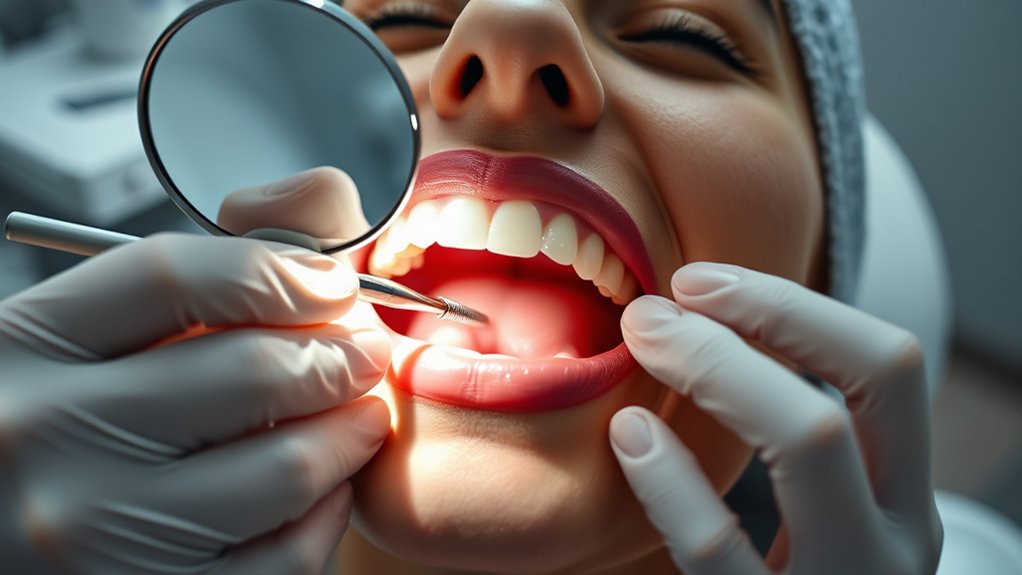
Dental cleanings are essential for maintaining your oral health because they remove plaque and tartar buildup that regular brushing and flossing might miss. These deposits can lead to cavities, gum disease, and bad breath if not properly addressed.
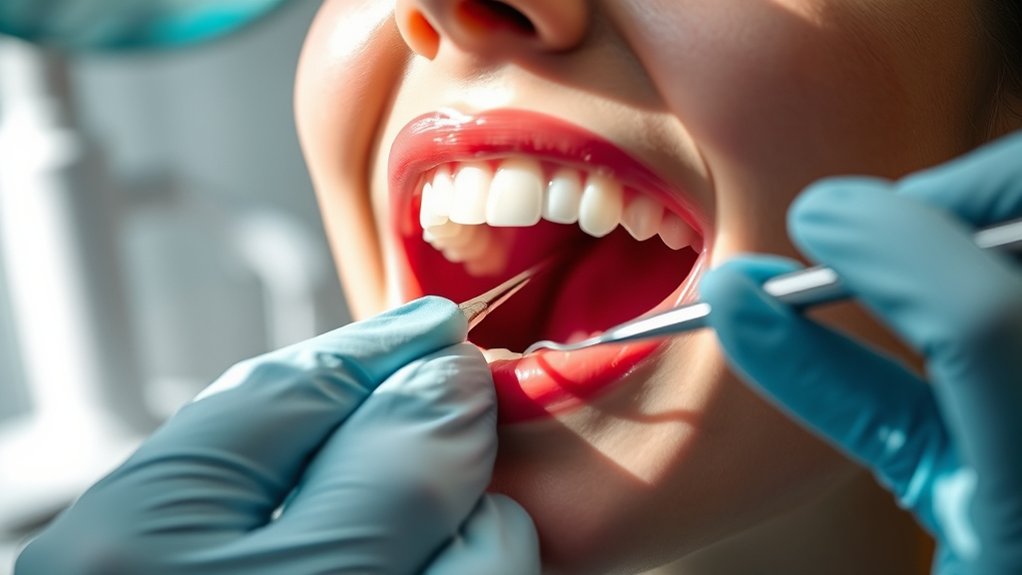
During a cleaning, your dentist or hygienist uses specialized tools to thoroughly clear away these substances, reaching areas you might overlook. This process not only keeps your teeth looking and feeling clean but also helps prevent more serious dental issues down the line.
Regular cleanings support your overall health by reducing bacteria in your mouth that can affect other parts of your body. By maintaining a routine schedule, you’re taking proactive steps to keep your smile healthy, fresh, and free from preventable problems.
How Removing Plaque and Tartar Protects Your Oral Health
Removing plaque and tartar is essential because these deposits harbor bacteria that can harm your teeth and gums. When left unchecked, bacteria produce acids that erode enamel and irritate gum tissue, leading to cavities and gum disease.
Removing plaque and tartar prevents bacteria from damaging teeth and gums, reducing cavities and gum disease risk.
Tartar, which is hardened plaque, cannot be brushed away and requires professional cleaning. By removing both, you reduce the bacterial load in your mouth, lowering your risk of decay and infection.
Regular cleanings also help prevent inflammation, bleeding, and periodontal issues that can eventually cause tooth loss. Plus, a clean mouth promotes fresh breath and healthier gums.
Staying consistent with dental visits guarantees that plaque and tartar don’t build up to harmful levels, safeguarding your oral health. This helps maintain a bright, healthy smile over time.
Why Dental Cleanings Are a Key Part of Preventive Care
Regular dental cleanings are crucial for keeping your overall oral health in check by catching problems early before they get worse. They help remove plaque and tartar buildup that you might miss with daily brushing and flossing.
This early detection can prevent cavities, gum disease, and other issues from developing. Cleanings also give your dentist a chance to spot signs of oral health problems like inflamed gums or early decay, so you can take action quickly.
How Regular Cleanings Help Prevent Cavities and Gum Disease
Regular dental cleanings are essential because they efficiently remove plaque, which is a major cause of cavities and gum issues.
When plaque is cleaned regularly, your gums stay healthier and are less likely to get infected.
Sticking to routine cleanings can really lower your chances of developing serious dental problems.
Plaque Removal Efficiency
Because plaque buildup is a main cause of cavities and gum disease, regular cleaning sessions are key to keeping your mouth healthy. These cleanings effectively remove plaque and prevent it from turning into tartar, which can only be cleaned professionally.
Skilled hygienists use tools like scalers and polishers to reach tricky spots, making sure your teeth stay clean and healthy. To see why this matters, check out the table below:
| Plaque Removal Benefits | Why It Matters |
|---|---|
| Prevents cavities | Reduces acid production that damages enamel |
| Reduces gum inflammation | Lowers the risk of gum disease |
| Stops tartar buildup | Keeps teeth smooth and clean |
| Freshens breath | Eliminates bacteria-causing odors |
| Maintains oral health | Supports long-term dental wellness |
Gum Disease Prevention
Scheduling consistent dental cleanings is key to preventing gum disease and cavities. When you go to the dentist regularly, they can remove plaque and tartar buildup that brushing might miss.
This helps cut down on bacteria that cause inflammation and infections in your gums. Regular cleanings also let your dentist spot early signs of gum issues, like bleeding or swelling, before they get worse.
By sticking to good oral hygiene and keeping up with routine visits, you can lower your chances of developing gum problems that could lead to tooth loss. Plus, regular cleanings keep your mouth healthier and save you money by avoiding costly treatments.
Staying proactive with dental visits is your best shot at fighting gum disease and keeping that confident, healthy smile.
The Connection Between Oral Health and Overall Well-Being
Maintaining good oral health does more than just keep your smile bright; it plays a vital role in your overall well-being. Poor oral health has been linked to serious health issues like heart disease, diabetes, and respiratory problems. Bacteria from your mouth can enter your bloodstream, increasing inflammation and affecting other parts of your body.
Furthermore, ongoing oral infections can weaken your immune system, making it harder to fight off illnesses. Dental problems can also cause pain and discomfort, impacting your daily life and mental health. When you prioritize regular dental care and good oral hygiene, you’re not just protecting your teeth—you’re supporting your entire health.
A healthy mouth is a foundation for a healthier body, promoting longevity and quality of life.
How Often Should You Schedule Dental Cleanings?
How often you should get dental cleanings depends on your individual oral health needs, but most people benefit from visits every six months. Regular cleanings help remove plaque and tartar buildup that daily brushing and flossing might miss.
If you have a history of gum disease, cavities, or other dental issues, your dentist might recommend more frequent visits, like every three or four months. On the other hand, if your oral health is excellent, you might only need cleanings once a year.
Your dentist will assess your specific needs during routine exams and suggest a schedule tailored just for you. Keeping up with consistent cleanings is key to catching problems early and keeping your smile healthy and confident.
What to Expect During Your Dental Cleaning Appointment
During your appointment, the dentist will start with an examination to assess your oral health. Then, they’ll perform cleaning procedures using special tools to remove plaque and tartar.
You can expect a thorough process designed to keep your teeth healthy and detect any issues early.
Examination and Assessment Process
When you arrive for your dental cleaning appointment, the hygienist will start by reviewing your medical history and asking about any concerns or symptoms you might have. They’ll then conduct a thorough examination of your mouth, inspecting your teeth, gums, and soft tissues.
Expect them to look for signs of decay, gum disease, or other oral health issues. They may also check your bite and jaw alignment. Using a mirror and light, they’ll carefully assess each tooth’s condition.
This step helps identify problems early and guides the cleaning process. If necessary, they might take X-rays to get a detailed view of your teeth and roots.
Cleaning Procedures and Techniques
As your dental hygienist begins the cleaning, they’ll start by removing plaque and tartar buildup from your teeth using special instruments. These tools, like scalers and curettes, carefully scrape away deposits from above and below the gum line.
Next, they’ll use a high-powered toothbrush with a gritty toothpaste to polish your teeth, making them smooth and shiny. This step helps eliminate surface stains and reduces plaque buildup.
You might feel a gentle scraping or brushing, but it shouldn’t be uncomfortable. Throughout the process, your hygienist may rinse your mouth frequently to wash away debris.
They might also floss between your teeth to remove any remaining plaque. The entire procedure typically lasts about 30 to 60 minutes, leaving your mouth feeling fresh and clean.
Understanding Costs and Access to Preventive Dental Care
Understanding the costs and how to access preventive dental care can be tricky, especially since expenses vary a lot depending on your insurance, where you live, and what services you need.
Your insurance might cover routine cleanings, but some plans have limits or require copayments. If you don’t have insurance, costs can be quite different depending on your provider or region.
To find affordable options, try looking into local clinics or community health centers. Some dental offices also offer sliding scale fees based on your income.
| Coverage Type | Typical Cost Range |
|---|---|
| Insurance with coverage | Usually minimal or zero copay |
| No insurance | $75–$200 per cleaning |
| Community clinics | $20–$100 per visit |
Being informed helps you access preventive care without unexpected expenses.
When to Talk to Your Dentist About Extra Preventive Measures
Ever wonder if you should ask your dentist about extra preventive measures beyond routine cleanings? You should when you notice changes like increased sensitivity, bleeding gums, or persistent bad breath.
If you or your family members have a history of dental issues, it’s smart to talk about extra steps to protect your teeth. Also, consider chatting with your dentist if you’re planning major dental work or if you’re at higher risk for cavities or gum disease because of health conditions like diabetes.
Your dentist can suggest targeted treatments like sealants, fluoride applications, or specialized cleaning techniques. Don’t wait for problems to get worse—being proactive with extra preventive measures helps keep your oral health in check and can save you time and money down the road.
Frequently Asked Questions
Are Dental Cleanings Effective for Preventing Other Health Issues Beyond Oral Health?
Yes, dental cleanings help prevent health issues beyond just your mouth. Regular cleanings lower the risk of gum disease, which is linked to heart problems, diabetes, and breathing issues.
By removing plaque and tartar, you also reduce bacteria that can enter your bloodstream. This helps lower inflammation and lowers the chances of complications.
Sticking to your cleanings regularly makes it easier to catch health issues early and stay overall healthier.
Can Dental Cleanings Help Detect Early Signs of Oral Cancer?
Dental cleanings can indeed help detect early signs of oral cancer. Studies show that dentists catch about 60% of oral cancers during routine exams, often before symptoms show up.
When you get regular cleanings, your dentist checks your mouth for any unusual sores, lumps, or discolorations. Early detection boosts your chances of successful treatment.
Do Dental Cleanings Remove All Types of Stains and Discoloration?
Dental cleanings can greatly reduce surface stains and discoloration, but they might not remove all types. Superficial stains from coffee, tea, or smoking often come off easily, leaving your teeth brighter.
However, deeper stains, such as those caused by certain medications or intrinsic factors, may require additional treatments like whitening. Regular cleanings help maintain your smile and prevent further staining, but some discoloration might need specialized procedures for complete removal.
Are There Risks Associated With Frequent or Professional Cleanings?
Frequent professional cleanings are generally safe, but overdoing them could cause gum sensitivity or enamel erosion.
Studies show that 60% of adults experience some form of gum recession, which might be worsened by aggressive cleanings.
To avoid risks, follow your dentist’s recommended cleaning schedule.
Regular checkups help catch issues early, and professional cleanings keep your smile healthy without unnecessary damage.
How Do Dental Cleanings Compare With At-Home Oral Hygiene Routines?
Dental cleanings are more thorough than at-home routines because professionals remove plaque and tartar that you can’t reach.
While brushing and flossing daily help maintain oral health, regular cleanings prevent buildup, decay, and gum disease.
You should still practice good at-home hygiene, but visiting your dentist guarantees a deep clean and early detection of issues.
Combining both methods keeps your teeth healthier and prevents costly dental problems.
Conclusion
Regular dental cleanings are an essential part of preventive care that can save you from bigger issues down the road. By staying proactive, you protect your oral health and overall well-being.
Remember, an ounce of prevention is worth a pound of cure. So don’t skip those appointments. Staying consistent with cleanings keeps your smile bright and healthy.
Yes, dental cleanings are considered preventive care. Taking care of your teeth today truly pays off tomorrow.