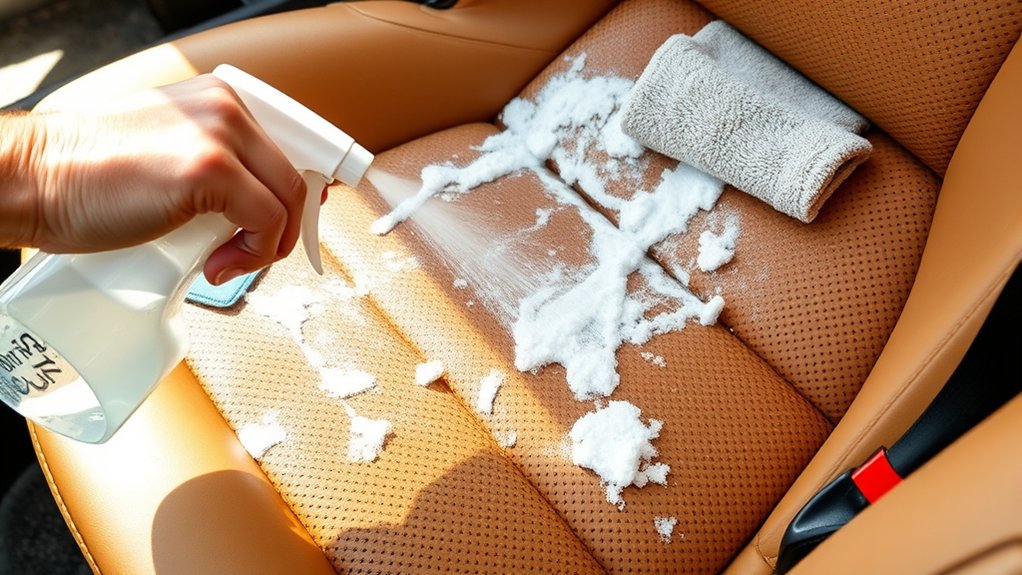
How You Can Clean Car Seats With Carpet Cleaner Step by Step
Cleaning car seats with a carpet cleaner is a common hassle many people face. If your seats are stained or look dull, you’re not alone — it’s something most car owners struggle with at some point.
Luckily, with the right steps, you can bring back their fresh, clean look.
To clean your car seats with a carpet cleaner, start by vacuuming thoroughly to remove loose dirt and debris.
Spray the cleaner evenly on stained areas, then gently agitate with a brush or microfiber cloth.
Use a wet/dry vacuum or extractor to remove dirt and excess moisture.
For stubborn stains and odors, apply targeted treatments like stain remover or baking soda.
Allow seats to dry completely before use.
Continue, and you’ll uncover more tips to keep your car seats spotless.
Key Takeaways
- First, vacuum the seats thoroughly to pick up loose dirt and debris. This step helps ensure the cleaner works more effectively and prevents dirt from settling deeper into the fabric.
- Before applying the carpet cleaner to the entire seat, do a quick spot test in an inconspicuous area. This way, you can check if the cleaner causes any discoloration or damage to the fabric.
- Spray the cleaner evenly over any stained spots. Let it sit for about 5 to 10 minutes. This gives the cleaner time to loosen stubborn stains.
- After that, gently scrub the area using a soft brush or microfiber cloth. Focus on the heavily soiled spots to lift out the dirt.
- Once you’ve scrubbed, use a wet/dry vacuum to extract the moisture and dirt from the seats.
- Finally, let the seats air dry completely before using the car again. This helps prevent any new mold or musty smells from developing.
Why a Carpet Cleaner Is Your Best Friend for Cleaning Car Seats
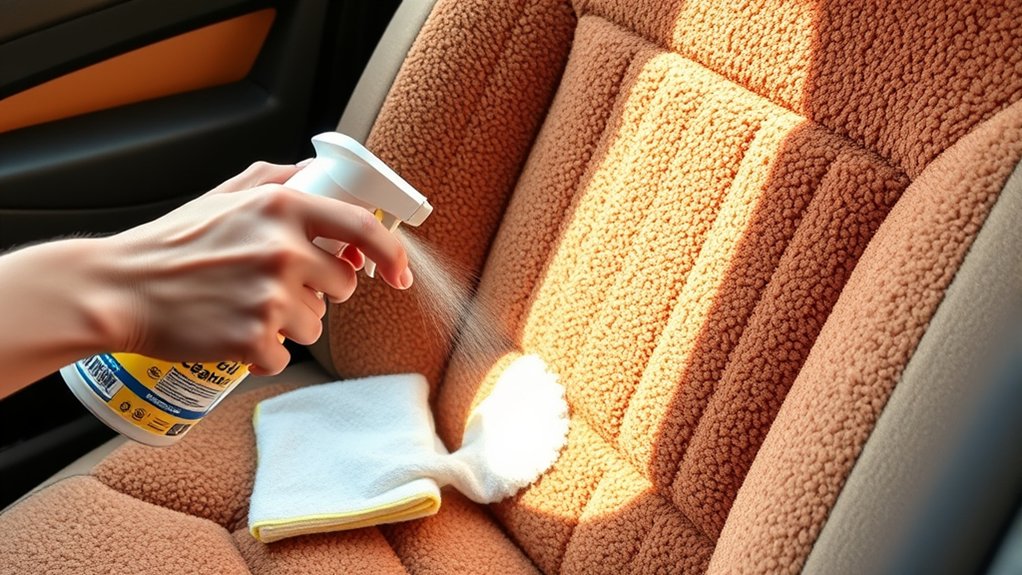
A carpet cleaner is your best friend when it comes to cleaning car seats because it can really get rid of deep dirt, stains, and odors that regular cleaning methods often miss.
Unlike just vacuuming or wiping, a carpet cleaner uses powerful suction and hot water extraction to reach into the fibers and loosen stubborn grime.
A carpet cleaner uses powerful suction and hot water to deeply loosen and remove dirt from fibers.
This means dirt trapped beneath the surface gets lifted out completely. If you’ve spilled coffee or mud, a carpet cleaner can handle those tough stains without damaging the fabric.
It also refreshes the seat’s look and gets rid of unpleasant odors, leaving your car smelling fresh.
Using a carpet cleaner saves you time and effort, giving a deep clean that keeps your car seats looking and smelling great for longer.
Getting Your Car Ready and Gathering Supplies
Before you start cleaning, take a few minutes to prepare your car and gather all the necessary supplies. Clearing out clutter and vacuuming the seats makes the cleaning process smoother.
You’ll need a carpet cleaner, microfiber cloths, and a brush or sponge. Having everything within reach prevents interruptions and saves time.
| Supplies Needed | Purpose |
|---|---|
| Carpet cleaner | Stains and dirt removal |
| Microfiber cloths | Wiping and drying |
| Brush or sponge | Agitating and scrubbing |
Make sure your windows are open for ventilation. Set aside some time to organize your tools and prep your workspace so you’re ready to start cleaning efficiently.
How to Choose the Best Carpet Cleaner for Your Car Seats
Choosing the right carpet cleaner depends on understanding the different types available, their cleaning power, and features.
You want a product that’s strong enough to remove stains but gentle enough for your car seats.
Make sure it’s compatible with your seats to avoid damage and get the best results.
Types of Carpet Cleaners
Selecting the right carpet cleaner for your car seats depends on understanding the different types available and their specific benefits.
There are spray-on cleaners, which you apply directly and wipe or scrub away, ideal for quick spot treatments.
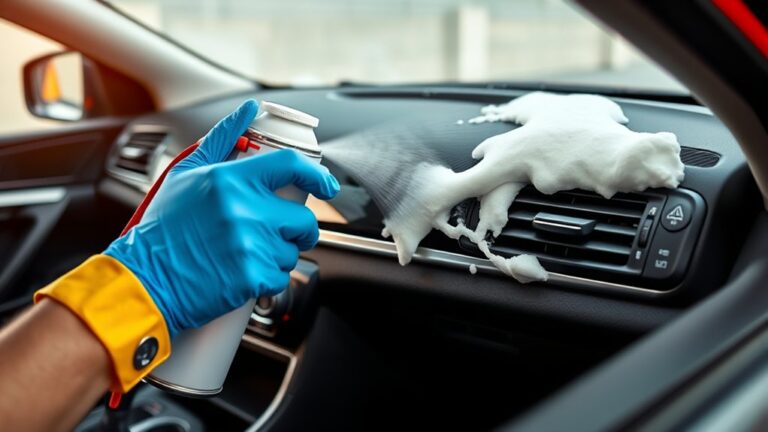
You also have foam cleaners, which produce a thick foam that lifts dirt without soaking the fabric, perfect for light cleaning.
Extractor or carpet shampooers use water and cleaning solution to deep clean and remove grime, making them suitable for heavy stains.
Moreover, dry powder cleaners absorb dirt and can be vacuumed away, offering convenience for regular maintenance.
Each type serves different needs, so consider the level of dirt and your preferred cleaning method before choosing.
This guarantees you pick the most effective cleaner for your car seats.
Cleaning Power & Features
When evaluating carpet cleaners for your car seats, focus on their cleaning power and features to find the most effective option. Look for a cleaner with strong suction to lift dirt from deep within the fibers.
Consider models with adjustable spray settings to target stubborn stains without over-wetting. A built-in brush or agitator can help loosen grime, making your cleaning easier and more efficient.
Check for features like quick-drying formulas or odor eliminators that leave your seats fresh and ready to use. Visualize a cleaner that deeply penetrates fabric to remove embedded dirt.
Look for versatile spray options for various stain types and a rotating brush for thorough agitation. Also, consider quick-dry or deodorizing features for a fresh finish.
Choosing wisely guarantees spotless, fresh car seats every time.
Compatibility With Car Seats
To make sure your carpet cleaner works well on your car seats, check if it’s compatible with your seat materials and design.
See if the cleaner is safe for fabric, leather, or vinyl seats. Some products are made for delicate materials and won’t cause damage or discoloration, but others might be too harsh.
Always read the manufacturer’s instructions and labels carefully to see if the product is suitable for your seats.
If your seats have special features like heated elements or intricate stitching, you’ll want a gentle cleaning method.
It’s a good idea to test a small, hidden area first to prevent any potential damage.
Choosing the right cleaner helps you clean thoroughly without harming your car seats’ look or integrity.
Vacuuming and Removing Loose Dirt Before Cleaning
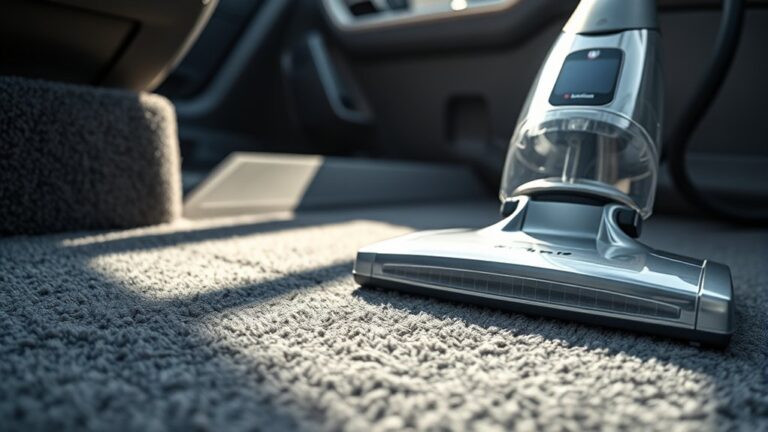
Start by thoroughly vacuuming the car seats to lift loose dirt, crumbs, and debris. Use a handheld or upholstery attachment to reach into creases and seams. Focus on areas where dirt tends to settle, like the seat cushions and backrests. As you vacuum, picture the dirt being sucked away, leaving a cleaner surface.
Begin by thoroughly vacuuming car seats, focusing on creases and seams to remove dirt, crumbs, and pet fur effectively.
Here’s what to pay attention to:
- Crumbs from snacks or fast food
- Hair and pet fur tangled in fibers
- Dust and pollen settled into fabric
- Tiny particles from shoes or clothing
How to Apply Carpet Cleaner to Stains and Fabric
Before applying carpet cleaner, try it on a small hidden spot first to make sure it won’t cause discoloration.
Then, spray the cleaner evenly over the stain, covering the entire affected area.
Let it sit for a few minutes to help break down dirt and stains before you scrub or wipe it away.
Spot Testing Techniques
Spot testing is a crucial step to avoid damage when using carpet cleaner on your car seats. It lets you see how the fabric reacts before cleaning a bigger area.
First, pick a hidden spot, like under the seat or along a seam. Next, dab a small amount of cleaner onto a clean cloth or sponge.
Gently press the cloth onto the fabric, avoiding vigorous rubbing. Then, wait 5-10 minutes to check for any color change, discoloration, or damage.
If the fabric looks fine, you can go ahead and clean the stain. But if you see any adverse reaction, try a different cleaner or call a professional.
Spot testing helps keep your car seats looking great and prevents any damage during cleaning.
Applying Cleaner Evenly
Once you’ve confirmed that the cleaner won’t harm the fabric, it’s time to apply it evenly across the stained area. Hold the spray bottle about six inches above the fabric and spray a light, consistent mist over the stain.
Avoid oversaturating the area, as too much liquid can seep into the foam or padding. Use a clean cloth or soft brush to gently spread the cleaner, making sure the stain is fully covered.
Focus on the stained section but don’t forget to slightly extend beyond the visible mark to prevent a ring or outline. Keep a steady hand to avoid pooling or drips.
Proper, even application helps the cleaner work effectively, loosening dirt and stains without causing uneven spots or damage.
Letting It Sit
After applying the cleaner evenly, give it time to work by letting it sit on the stain. This step lets the solution break down dirt and grime embedded in the fabric fibers. As it sits, imagine the cleaner soaking deep into the fibers, loosening stubborn spots.
To get the best results, try these steps:
- Set a timer for 5-10 minutes, depending on how bad the stain is.
- Visualize the cleaner soaking in, lifting dirt from within the fabric.
- Avoid rubbing or scrubbing during this time, as it could spread the stain.
- Keep a clean cloth or brush nearby so you’re ready to gently work on the stain later.
Patience now will make your next steps much easier, helping the cleaner do its job.
Scrubbing and Agitating for Deep Cleaning
To effectively deep clean your car seats, you need to thoroughly scrub and agitate the fabric to loosen dirt and stains. Use a soft-bristle brush or a microfiber cloth to work the carpet cleaner into the fabric.
Apply gentle pressure to lift embedded grime without damaging the material. Focus on heavily soiled areas, scrubbing in circular motions to break up dirt.
Use gentle pressure and circular scrubbing to lift dirt without harming the fabric.
Consistent agitation helps the cleaner penetrate deeply, guaranteeing stains lift and dirt releases from fibers. Don’t rush this step; patience guarantees a thorough clean.
If needed, reapply the cleaner and repeat scrubbing until the surface feels fresh and less stained. Proper agitation is essential for a deep, effective clean that prepares your seats for rinsing and drying.
Extracting Dirt and Excess Moisture From Your Car Seats
Begin by using a wet/dry vacuum or extractors to remove dirt and moisture from your car seats. This helps prevent mold and speeds up the drying process.
As you operate the vacuum, picture these actions:
- Sucking up visible dirt particles deeply embedded in the fabric fibers.
- Drawing out excess water and cleaning solution from the surface.
- Creating a suction that lifts grime from hard-to-reach areas.
Leave your seats damp but free of loose debris and moisture.
Make sure to move the vacuum slowly over the entire surface, especially in seams and crevices. This thorough extraction is key for a clean, fresh result and sets the stage for the next cleaning steps.
Effective Techniques for Removing Stubborn Stains and Odors
Stubborn stains and lingering odors can be tough to eliminate, but the right techniques really make a difference.
You can effectively tackle tough spots and unpleasant smells with targeted cleaning methods.
Let’s explore the best approaches to restore your car seats to a fresh, clean state.
Tackling Tough Stains
When faced with tough stains and persistent odors on your car seats, quick action is key to prevent them from setting deeper into the fabric or upholstery. First, identify the stain type—oil, wine, coffee, or mud—so you can choose the right approach.
Next, follow these steps: spray a stain remover directly onto the affected area, making sure to cover the entire stain. Let it sit for 5-10 minutes to loosen embedded dirt and stain particles.
Use a brush or cloth to gently agitate the area, working the cleaner into the fibers. Then, blot with a clean, damp cloth to lift the stain and remove residue, avoiding excessive rubbing.
This method targets stubborn stains effectively, leaving your seats cleaner and brighter.
Eliminating Persistent Odors
After tackling tough stains, lingering odors can still make your car seats less inviting. To get rid of stubborn smells, start by sprinkling baking soda generously over the seats. Let it sit for at least 15 minutes, or overnight if possible, to absorb odors.
Vacuum thoroughly afterward to remove the baking soda. Next, prepare a mixture of equal parts water and white vinegar in a spray bottle. Lightly mist the seats, focusing on areas with persistent smells.
The vinegar neutralizes odors without leaving a strong scent. For extra freshness, add a few drops of your favorite essential oil to the mixture. Wipe down the seats with a clean cloth and let them dry completely.
These techniques help eliminate odors effectively and leave your car smelling fresh.
Best Cleaning Techniques
To effectively remove stubborn stains and odors from your car seats, it’s important to use targeted cleaning techniques that go deep into the fabric or upholstery.
Start by pretreating the stain with a dedicated stain remover and let it sit for a few minutes. Then, grab a brush or microfiber cloth to agitate the area, loosening dirt and grime.
Next, apply your carpet cleaner evenly across the surface, making sure it reaches the fibers. Finally, use a wet-vac or a clean microfiber towel to extract the moisture and loosened debris.
Visualize this process as:
- Applying stain remover
- Agitating with a brush
- Spraying carpet cleaner
- Extracting with a wet-vac or towel
This method targets deeply embedded dirt and odors efficiently.
Drying and Maintaining Your Car Seats After Cleaning
Once you’ve thoroughly cleaned your car seats, it’s important to dry them properly and keep up with regular maintenance to keep them looking fresh and prevent mold or odors.
Start by opening your car doors and windows to let air circulate, which helps speed up the drying process. If you can, use a fan or a wet/dry vacuum with a drying feature to remove extra moisture.
Avoid sitting on the seats until they are completely dry, as this can trap moisture and cause smells. Regularly vacuum and wipe down your seats to prevent dirt from building up.
Think about applying a fabric protector or conditioner now and then. It keeps the material soft and resistant to stains.
Sticking to a good maintenance routine will help your seats stay clean, fresh, and in great shape over time.
Mistakes to Avoid When Cleaning Car Seats With a Carpet Cleaner
Using a carpet cleaner on your car seats can be really effective, but it’s easy to make mistakes that might damage the fabric or leave residues. First, avoid over-wetting the seats, which can cause mold or mildew. Think of a soaked sponge, not a damp cloth.
Second, don’t rush through the process. Skipping spots or rushing can leave stains behind. Take your time to do a thorough job. Third, steer clear of harsh chemicals not meant for upholstery, as they can cause discoloration or damage.
Finally, always test the cleaner on a small, hidden area first. This helps prevent unexpected reactions. Imagine a small patch turning discolored or stiff—that’s what happens if you ignore this step. Proper care keeps your car seats fresh and undamaged.
Tips to Keep Your Car Seats Clean Longer
Keeping your car seats clean longer starts with simple habits that prevent dirt and stains from settling in. Regularly vacuum your seats to remove loose debris before it gets embedded into the fabric.
Use seat covers or throw blankets, especially if you often carry pets or kids. They can shield your seats from spills and dirt. Avoid eating or drinking in the car, and clean up messes immediately if they happen to prevent stains.
Keep a stain remover or upholstery cleaner nearby for quick treatment of spills. Park in shaded areas whenever possible to reduce UV damage and fading over time.
Finally, schedule periodic deep cleanings with a carpet cleaner. This helps maintain the freshness and appearance of your car seats over time.
Frequently Asked Questions
Can I Use a Carpet Cleaner on Leather Car Seats?
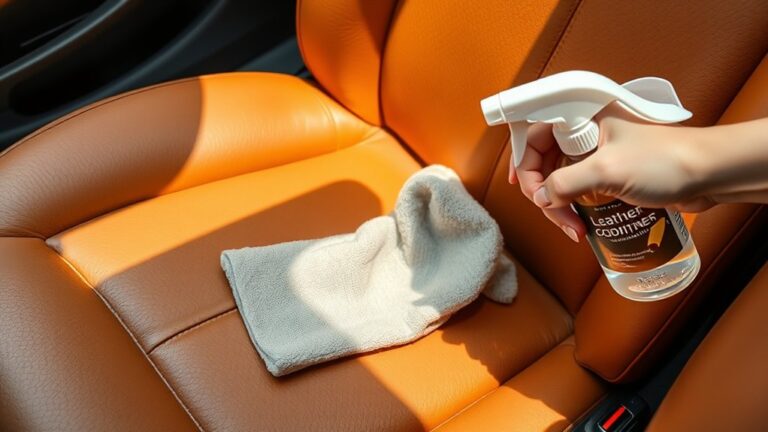
You shouldn’t use a carpet cleaner on leather car seats because it can damage the delicate surface. Leather needs gentle cleaning with a specific leather cleaner or a damp microfiber cloth.
Harsh chemicals or abrasive tools can cause cracking or discoloration, so it’s best to avoid them. Instead, choose products designed specifically for leather.
Regularly wipe your seats with a soft cloth to keep them clean and conditioned. This helps them stay soft, look great, and last longer.
How Often Should I Deep Clean My Car Seats?
You should deep clean your car seats every 3 to 6 months, depending on how often you drive and how dirty they get.
Regular maintenance like vacuuming weekly helps keep dirt and debris under control.
If you notice stains or bad odors, it’s a good idea to do a deeper clean sooner rather than later.
Sticking to a consistent cleaning routine prevents buildup, extends the life of your seats, and keeps your car smelling fresh and looking new.
Are There Eco-Friendly Carpet Cleaners Suitable for Cars?
Think of eco-friendly carpet cleaners as gentle superheroes for your car. Yes, there are many options made specifically for vehicles that are safe for the environment and your family.
Look for products labeled biodegradable, non-toxic, or plant-based. These cleaners lift dirt effectively without harsh chemicals, helping preserve your car’s interior and reduce environmental impact.
Always check the label to make sure it’s suitable for car seats before using.
What Should I Do if a Stain Persists After Cleaning?
If a stain sticks around after cleaning, don’t panic. Gently blot the area with a clean cloth to lift any remaining cleaner or moisture.
Next, apply a stain remover that’s designed for car upholstery and let it sit for the recommended time.
Re-clean the spot with your carpet cleaner, and if the stain is still there, don’t hesitate to repeat the process.
For really stubborn stains, it might be best to call in a professional detailer for the best results.
Can I Use a Carpet Cleaner on Car Seat Cushions Separately?
Think of your car seat cushions as a canvas waiting for a fresh start. Yes, you can definitely use a carpet cleaner on them separately.
Just remove the cushions if possible, vacuum to clear debris, then apply the cleaner directly. Scrub gently with a soft brush, and rinse with a damp cloth.
This targeted approach guarantees deep cleaning, leaving your cushions looking vibrant and feeling fresh.
Conclusion
Now that you’ve learned how to gently refresh your car seats using a carpet cleaner, you’re all set to keep your vehicle’s interior looking great. A little care and attention go a long way in maintaining that clean, fresh feel.
With patience and consistency, your car seats will stay spotless and inviting. Remember, regular cleaning with a carpet cleaner can make a big difference in how your car looks and smells.
Your car’s seats will thank you for the effort. Keep up with your cleaning routine, and enjoy every smooth, spotless mile ahead.