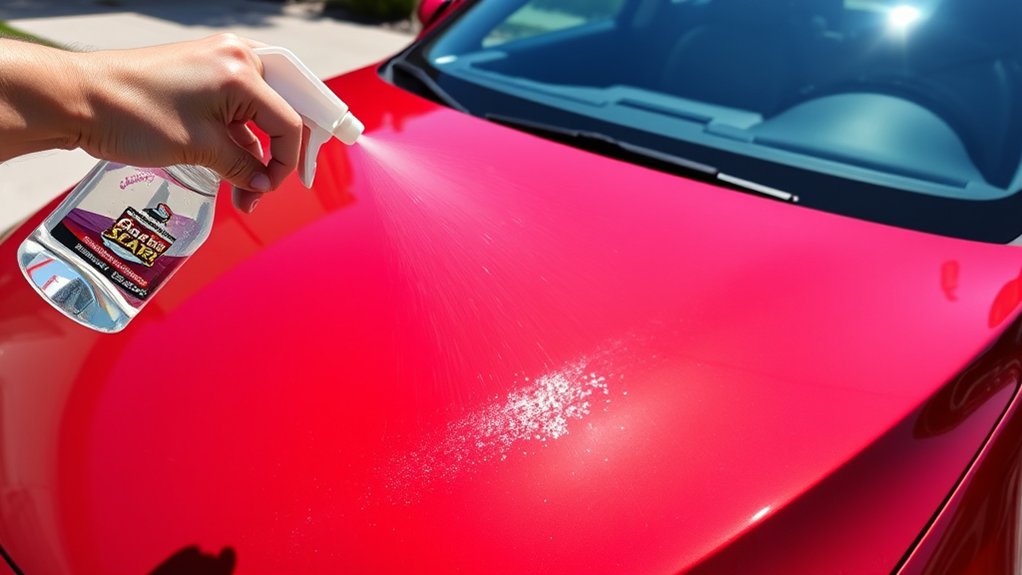
Can I Use Multi-Purpose Cleaner on My Car?
Many car owners want to keep their vehicles looking shiny and new but often struggle with choosing the right cleaning products.
You’re not alone—knowing what’s safe and effective can be confusing, especially with so many options out there.
You shouldn’t use multi-purpose cleaners on your car because they often contain harsh chemicals like bleach or ammonia that can damage paint, clear coats, and plastic trims.
These products can strip protective layers, leading to dullness, streaks, or even deterioration of plastic parts.
To keep your car safe and looking its best, it’s better to use products specifically designed for automotive surfaces.
Want to learn more about the best ways to clean and maintain your vehicle?
Key Takeaways
- Not all multi-purpose cleaners are safe for automotive surfaces. It’s important to check the labels to see if they’re compatible with your car.
- Harsh chemicals like bleach or ammonia can damage your paint, plastic trims, and protective coatings. So, be cautious with what you use.
- Before applying the cleaner all over, test it on a small, hidden area first. This helps prevent any unexpected damage.
- For your car’s exterior paint, glass, and interior surfaces, it’s best to use dedicated automotive cleaning products. They’re formulated specifically for those materials.
- Also, avoid cleaning in direct sunlight. This can cause streaks, uneven cleaning, and even surface damage.
Are Multi-Purpose Cleaners Safe for Your Car’s Paint?
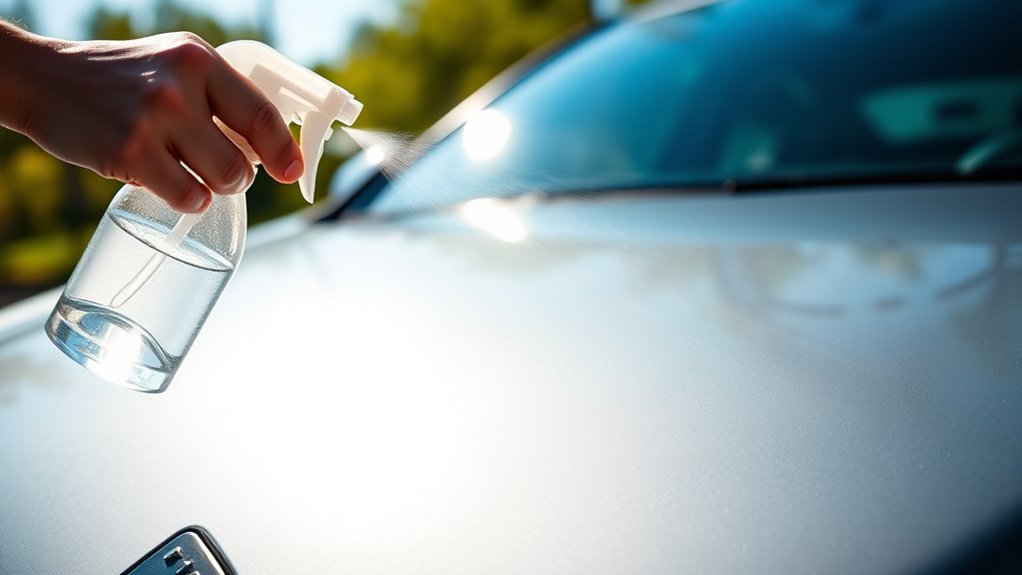
Many car owners wonder if multi-purpose cleaners are safe for their vehicle’s paint. The truth is, not all of these cleaners are made for automotive surfaces.
Some contain harsh chemicals that can strip away the protective layer on your car’s paint, leading to dullness or damage over time. While these cleaners are great for household chores, they usually lack the proper pH balance for cars.
Harsh chemicals can damage your car’s paint and cause dullness over time. Use automotive-specific cleaners for best results.
Using an inappropriate cleaner might seem easy and convenient, but it can cause more harm than good. To keep your car looking its best, choose products specifically made for automotive paint.
Always read labels carefully and avoid cleaners that aren’t labeled as safe for cars. This way, your vehicle stays shiny and well-protected.
What Are the Risks of Using Household Cleaners on Your Car?
Using household cleaners on your car can be risky because these products aren’t made for automotive surfaces. Many contain harsh chemicals like ammonia, bleach, or abrasives that can damage your paint, clear coat, or plastic trims.
These chemicals can strip away protective layers, leading to dullness or discoloration over time. They might also cause streaks, spots, or even corrosion if they seep into tiny cracks or seams.
Using the wrong cleaner could weaken or degrade rubber and plastic parts, making them brittle or cracked. Overall, applying household cleaners without knowing their effects can cause lasting harm.
This can reduce your car’s appearance and value. It’s much safer to stick with products specifically designed for cleaning cars.
How to Tell If a Cleaning Product Is Safe for Car Surfaces
Wondering how to tell if a cleaning product is safe for your car? First, check the label for any mention of automotive or vehicle use. Look for warnings about plastics, rubber, or painted surfaces since those can indicate compatibility issues.
Check labels for automotive use and warnings about plastics, rubber, or paint to ensure product safety for your car.
You can also research the product online to find reviews or manufacturer information specific to car surfaces. It’s a good idea to test the cleaner on a small, hidden part of your car first. Watch for any signs of damage like discoloration or residue.
Avoid cleaners with harsh chemicals like bleach, ammonia, or abrasives. If you’re unsure, stick to products labeled as safe for automotive or exterior surfaces. Remember, just because a cleaner works well on household surfaces doesn’t mean it’s safe for your car.
Always choose products explicitly designed for automotive use to help prevent damage.
Factors to Consider Before Using Multi-Purpose Cleaners on Your Car
Before using a multi-purpose cleaner on your car, make sure it’s compatible with your vehicle’s surfaces to avoid any damage.
Think about the risks, like stripping paint or harming plastics, which can happen if you use the wrong product.
Being cautious can help keep your car looking great and protected from potential harm.
Compatibility With Car Surfaces
Not all car surfaces react the same way to multi-purpose cleaners, so it’s important to think about what you’re cleaning. Some surfaces, like painted exteriors, can be sensitive to harsh chemicals and might fade or become dull.
Plastic trim and rubber parts can also be affected if the cleaner contains solvents that break down their materials. Glass and metal surfaces are usually more tolerant, but it’s still a good idea to check for compatibility to avoid streaks or corrosion.
Always read the product label for surface-specific advice. Testing a small, hidden area first helps ensure the cleaner won’t cause any damage. Different car parts need different cleaning methods, so choosing the right cleaner for each surface is key to keeping your vehicle looking its best.
Potential Damage Risks
Using multi-purpose cleaners on your car can pose several damage risks if you’re not careful. Many of these cleaners contain harsh chemicals that can strip away your car’s protective wax layer, leaving the paint vulnerable to damage.
Some formulas may also contain acids or solvents that can discolor or degrade rubber, plastic, and vinyl surfaces. If you spray too much or don’t rinse thoroughly, residues can build up, causing streaks or staining.
Furthermore, using a cleaner not designed for automotive finishes might weaken clear coats over time. Always check the label for compatibility with car surfaces, and test a small area first.
Avoid using multi-purpose cleaners frequently, and stick to products specifically formulated for automotive use to prevent costly damage.
What Are Better Alternatives to Multi-Purpose Cleaners for Car Detailing?
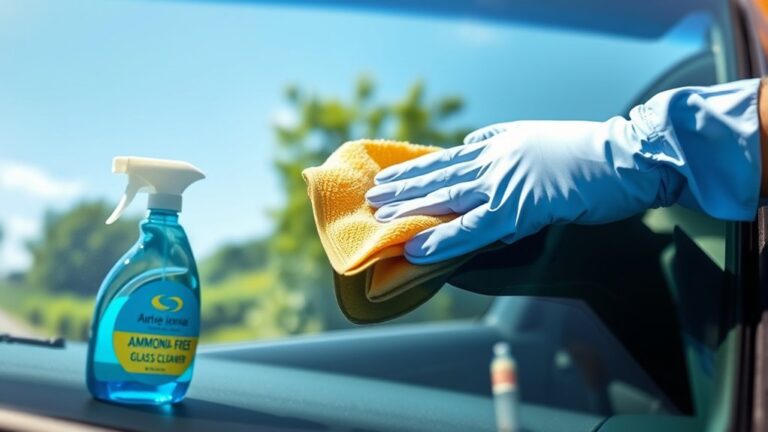
In relation to cleaning your car, specialized products often do a better job than general-purpose cleaners. For example, use automotive glass cleaner for windows, which leaves no streaks and removes grime effectively.
For the exterior paint, a dedicated car wash soap formulated for automotive finishes gently lifts dirt without stripping protective coatings.
For wheels and tires, choose a wheel cleaner designed to break down brake dust and grease safely.
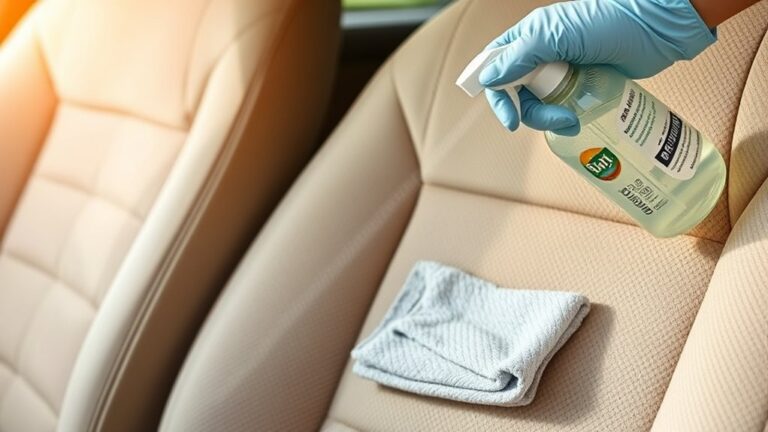
Interior surfaces benefit from a specific interior cleaner that’s safe on plastics, vinyl, and fabrics. These products are tailored to avoid damage and guarantee thorough cleaning.
Using specialized car cleaning products not only improves the appearance but also prolongs your vehicle’s lifespan by preventing unnecessary damage caused by inappropriate cleaners.
How to Properly Clean Your Car Without Causing Damage
To clean your car without causing damage, start by choosing gentle cleaning products that won’t harm the paint or materials.
Use proper washing techniques, like gentle motions and plenty of water, to avoid scratches.
Finally, dry your car thoroughly and apply protective coatings to keep it looking its best.
Choose Gentle Cleaning Products
Choosing gentle cleaning products is essential to avoid damaging your car’s paint, trim, or interior surfaces. Harsh chemicals can strip away protective coatings, cause discoloration, or degrade plastics. Instead, go for pH-balanced cleaners specifically made for cars.
These products effectively remove dirt and grime without harming delicate surfaces. Always read labels carefully to make sure the product is safe for your car’s paint and interior materials. Avoid household cleaners like bleach, ammonia, or multi-purpose cleaners that aren’t made for cars.
Using gentle, car-specific products helps keep your vehicle looking good and lasts longer. Remember, less is more—overusing strong chemicals can lead to costly repairs or repainting. Prioritize safety and quality by choosing cleaning products that protect your car’s surfaces and do the job well.
Use Proper Washing Techniques
Using gentle, car-specific cleaning products is a great start, but knowing the right washing techniques ensures you don’t accidentally damage your vehicle’s finish.
Begin by rinsing your car thoroughly with water to wash away loose dirt and debris. Use a soft sponge or microfiber wash mitt, working from the top down to prevent dragging dirt across painted surfaces.
Apply the cleaner in gentle, circular motions, avoiding excessive pressure. Keep the sponge rinsed often to prevent scratching. Wash one section at a time, then rinse immediately before moving to the next.
Don’t let soap dry on the surface, as this can cause spots. Once finished, rinse your car completely with clean water. Proper technique guarantees a thorough clean without risking scratches, swirls, or damage.
Dry and Protect Surfaces
After rinsing your car thoroughly, it’s important to dry it properly to avoid water spots and streaks. Use a clean, soft microfiber towel or a chamois to gently wipe down the surface.
Pat or lightly drag the towel across the paint, avoiding harsh rubbing that can cause scratches. Once dry, think about applying a protective wax or sealant to shield your car’s finish from dirt, UV rays, and environmental damage.
This layer of protection helps keep your car’s shine and makes future cleaning easier. Regularly drying and protecting your car not only preserves its look but also extends its lifespan.
Common Mistakes to Avoid When Using Household Cleaners on Your Car
Have you ever thought about the potential damage household cleaners can cause to your car? Using the wrong products can harm paint, trims, and surfaces. To keep your car looking its best, avoid these common mistakes:
| Mistake | Consequence | Solution |
|---|---|---|
| Using bleach or abrasive cleaners | Paint fading or scratches | Use automotive-specific cleaners |
| Not testing in small areas | Unexpected damage | Test cleaner on a small, hidden spot |
| Applying cleaners in direct sunlight | Streaks and uneven cleaning | Clean in shaded areas |
| Using harsh chemicals on trims | Fading or cracking | Opt for gentle, trim-safe products |
| Ignoring instructions | Ineffective cleaning or damage | Follow manufacturer guidelines |
Being cautious helps protect your car and keeps it looking great.
Tips for Maintaining Your Car’s Exterior and Interior Safely
Maintaining your car’s exterior and interior safely requires attention and proper techniques to prevent damage. Always use gentle, car-specific cleaning products and avoid harsh household cleaners that can strip paint or damage surfaces.
When washing, use soft microfiber cloths or sponges to prevent scratches. Rinse thoroughly before applying soap, and wash in straight lines rather than circular motions for the best results.
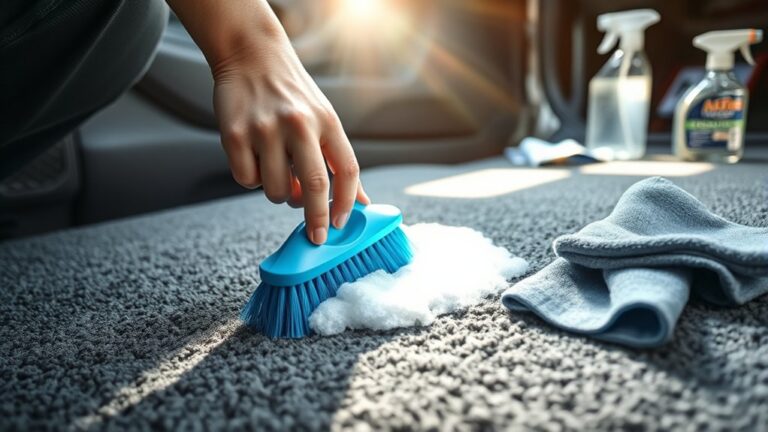
For the interior, vacuum first to remove loose dirt. Then, clean surfaces with appropriate cleaners—avoid anything too abrasive that could cause damage.
Test new products on a small, hidden area first to verify compatibility. Pay attention to temperature; clean in cool conditions to prevent streaks or product buildup.
Regular maintenance with proper tools and techniques keeps your car looking new without risking damage.
When Should You Seek Professional Car Detailing Help?
Wondering when it’s time to seek professional car detailing help? If your car’s interior is stained beyond simple cleaning or scratches and dents are prominent, it’s a good sign.
When regular washes and DIY efforts no longer restore your vehicle’s shine or cleanliness, professionals can provide deep cleaning, polishing, and paint correction.
If you notice persistent odors or mold, expert treatment can eliminate these issues safely.
Furthermore, if your car has extensive damage or you plan to sell soon, professional detailing can boost its value.
Don’t hesitate to seek help if you’re unsure about using harsh cleaners or techniques that might cause damage. Professionals have the right tools and expertise to restore your car’s appearance without risking further harm.
Choosing the Right Products for a Safe and Spotless Car
Choosing the right products is essential to keep your car looking its best without risking damage. Use products specifically designed for automotive surfaces to avoid scratches or paint harm. Check labels for compatibility with your car’s materials.
For example, use a pH-balanced cleaner for paint, a glass cleaner for windows, and a dedicated tire cleaner for rubber. Here’s a helpful guide:
| Surface | Recommended Product | Tips |
|---|---|---|
| Paint | Car-specific shampoo | Avoid household cleaners with harsh chemicals |
| Glass | Automotive glass cleaner | Use a microfiber cloth for streak-free finish |
| Tires & Rubber | Tire cleaner or degreaser | Rinse thoroughly after cleaning |
| Interior | Mild interior cleaner | Test on a small area first |
Choosing appropriate products guarantees a safe, spotless finish every time.
Frequently Asked Questions
Can Multi-Purpose Cleaners Damage Car Windows or Glass Surfaces?
Yes, multi-purpose cleaners can damage car windows or glass surfaces if they contain harsh chemicals like ammonia or alcohol. These ingredients can cause streaks, cloudiness, or even scratches over time.
To keep your car’s glass looking good, always check the label and choose a cleaner specifically made for automotive glass. It’s a simple way to avoid potential damage.
Before cleaning the whole window, test a small area first. And try to avoid using abrasive tools that might scratch the glass. This helps keep your windows clear and scratch-free.
Are Multi-Purpose Cleaners Effective at Removing Stubborn Car Stains?
Yes, multi-purpose cleaners can be effective at removing stubborn car stains, especially when you pick one suited for automotive surfaces. They work well on dirt, grease, and grime, but it’s a good idea to test a small area first to avoid any damage.
For tough stains like tar or brake dust, you might need a cleaner made specifically for those issues. Just be sure to follow the instructions carefully to protect your car’s paint and finish.
How Often Can I Safely Use Multi-Purpose Cleaner on My Car?
You can safely spray multi-purpose cleaner on your car as often as weekly, but don’t forget to rinse and dry afterward. This helps keep your vehicle looking its best without causing damage.
Moderation is key to avoiding harm to your car’s paint or delicate surfaces. Be mindful of the cleaner’s ingredients—avoid harsh chemicals—and always test a small area first.
Regular cleaning keeps your car looking clean, clear, and shining. It’s a simple way to maintain your vehicle’s condition without sacrificing safety or style.
Do Multi-Purpose Cleaners Leave Residues That Can Harm the Car’s Paint?
Multi-purpose cleaners can leave residues that might harm your car’s paint if you don’t rinse properly. These residues can attract dirt or cause discoloration over time.
To prevent this, make sure you thoroughly rinse the surface after cleaning and avoid using harsh formulas. Always test a small area first.
Whenever possible, choose products specifically designed for automotive use. This helps keep your car’s finish safe and shiny.
Can Multi-Purpose Cleaner Be Used on Car Wheels and Tires?
Yes, you can use multi-purpose cleaner on your car wheels and tires, but just be careful. Make sure the cleaner is safe for rubber and the wheel finishes.
Spray it on, let it sit for a short while, then gently scrub with a brush. Rinse thoroughly to wash away any leftover residue.
Always check the product label for specific instructions. Avoid harsh cleaners that might damage your tires or wheels over time.
Conclusion
Remember, your car’s beauty depends on the choices you make today. Just like a gentle touch preserves a delicate masterpiece, choosing the right cleaners safeguards your vehicle’s paint and interior.
Sometimes, the simplest tools are the most effective, and a little caution goes a long way.
In caring for your car, you realize that attention to detail isn’t just about cleaning. It’s about honoring the journey you’ve taken together, mile after mile.
Can I use multi-purpose cleaner on my car? It’s best to check if it’s safe for automotive surfaces. Not all multi-purpose cleaners are designed for cars, and some can damage paint or interior materials.
When in doubt, opt for cleaners specifically made for automotive use. This way, you protect your vehicle and keep it looking its best.