Can You Use Glass Cleaner to Clean Car Windows?
Many car owners know the struggle of keeping their windows crystal clear, especially when streaks and smudges keep getting in the way. You’re not alone—most of us want that perfect, streak-free shine without hassle.
Can you use glass cleaner to clean car windows? Absolutely, but with some important tips to keep in mind.
Yes, you can use glass cleaner to clean your car windows if you choose a formula that’s ammonia-free and safe for tinted glass.
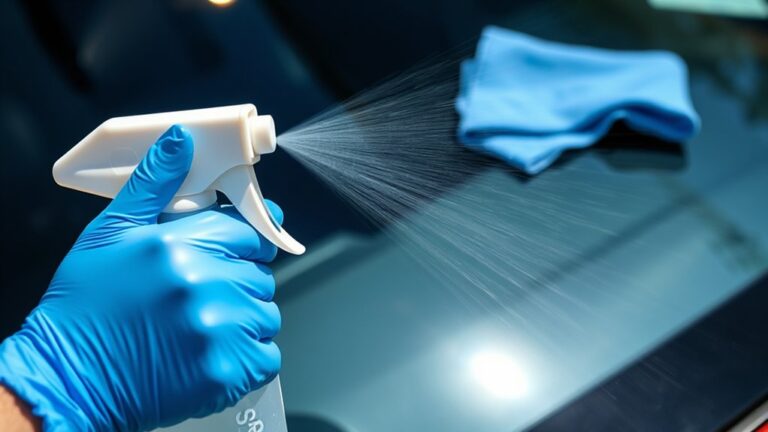
Spray it onto a microfiber cloth instead of directly on the glass, and use gentle, circular motions to avoid scratches or streaks.
Be cautious around rubber seals and trims, and avoid cleaning in direct sunlight.
Keep learning more tips to guarantee a spotless, streak-free finish every time.
Key Takeaways
Most commercial glass cleaners are safe for car windows if they don’t contain ammonia.
Avoid cleaners with ammonia or alcohol because they can damage your tint and leave streaks.
Spray the cleaner onto a microfiber cloth, not directly on the glass. This helps prevent drips and overspray.
Use gentle, circular motions to wipe the glass. Avoid harsh scrubbing, which can scratch the surface.
For the best results, clean your windows in the shade.
Dry thoroughly to prevent streaks and enjoy clear, shiny car windows.
Is It Safe to Use Glass Cleaner on Car Windows?
Is it safe to use glass cleaner on your car windows? Generally, yes, but just remember to take some precautions. Most commercial glass cleaners are made for cars and won’t harm your windows if you use them correctly.
Check the label to make sure it’s safe for automotive glass, especially if it has ammonia. Ammonia can damage tint films or rubber seals over time. Always spray the cleaner onto a microfiber cloth instead of directly on the glass. This helps prevent drips that could harm other parts of your car.
Use gentle, circular motions to wipe away dirt and grime. Avoid harsh scrubbing, which can scratch the glass. When used properly, glass cleaner is an effective and safe way to keep your car windows clear.
What Are the Risks of Using Glass Cleaner on Your Car Windows?
While glass cleaner can be great for keeping your car windows clear, it’s important to know the potential risks. Some cleaners contain chemicals like ammonia or alcohol, which can harm tinted windows over time.
These substances might cause the tint to peel, crack, or fade faster than it should. Using a cleaner not made for cars could also leave streaks or residues that make it harder to see, especially in bright sunlight.
Non-automotive cleaners can damage tint and leave streaks, reducing visibility and risking long-term harm to your car.
Frequent use of harsh chemicals can also wear down rubber seals and other exterior parts. This could lead to leaks or even costly repairs down the line. Plus, if you’re not careful, you might spray nearby paint or trim, causing discoloration or damage.
To stay safe, always pick a cleaner made specifically for automotive glass. And be sure to follow the instructions on the label to avoid any mishaps.
How Do You Choose the Best Glass Cleaner for Your Car Windows?
Choosing the right glass cleaner for your car windows starts with understanding which ingredients are safe and effective. Look for formulas that are ammonia-free because ammonia can damage tint and cause streaks.
Also, check for labels like streak-free and fast-drying to ensure a clear finish. Consider cleaners with natural or alcohol-based ingredients, which evaporate quickly and leave no residue.
Here’s a quick comparison:
| Feature | Best Choice |
|---|---|
| Ammonia-Free | Yes |
| Fast-Drying | Yes |
| Streak-Free | Yes |
| Natural Ingredients | Preferable |
Picking a cleaner with these qualities helps you achieve a spotless, streak-free look without risking damage.
What Are Some Tips for Cleaning Car Windows Without Streaks?
To clean your car windows without leaving streaks, it’s important to use the right technique and tools. Start with a clean, microfiber cloth that won’t leave lint behind.
Spray the glass cleaner evenly onto the window surface. Be careful not to oversaturate, as too much liquid can cause streaks.
Use a circular motion to break up dirt and grime. Then switch to vertical or horizontal strokes to wipe away the residue.
For stubborn spots, apply a bit more cleaner and gently scrub. Always dry the window with a fresh, dry microfiber cloth to prevent streaks and water spots.
Avoid cleaning windows in direct sunlight. The heat can make the cleaner dry quickly and leave streaks.
Consistent, gentle cleaning with quality tools will give you clear, streak-free windows every time.
When Should You Avoid Using Glass Cleaner on Your Car Windows?
You should avoid using glass cleaner on your car windows when they’re extremely hot or in direct sunlight. When windows are hot, the cleaner can evaporate quickly, leaving streaks or residue. This makes it harder to get a clear, streak-free finish.
Applying glass cleaner in direct sunlight can cause it to dry too fast, which may lead to smudges or spots. Plus, the heat can cause the chemicals in the cleaner to interact negatively with the glass or interior materials.
If your car has been sitting in the sun, wait until the windows cool down before you start cleaning. By avoiding these situations, you’ll help the cleaner work better and get a spotless, streak-free shine without damaging your windows or leaving marks.
What Are Effective Alternatives for Cleaning Car Windows?
When the weather isn’t ideal for using traditional glass cleaner, there are other effective methods to keep your car windows spotless. You can mix equal parts water and white vinegar, which easily cuts through dirt and grime without harsh chemicals.
Microfiber cloths work great for wiping away smudges and streaks, leaving your windows clear and streak-free. Alternatively, a solution of dish soap and water can handle stubborn dirt without damaging the glass.
For those hard-to-reach spots or stubborn stains, a clay bar designed for automotive use can lift away contaminants from the surface. Be sure to dry the windows thoroughly with a clean microfiber cloth to prevent streaks.
These methods are safe, affordable, and effective for maintaining crystal-clear visibility on your car windows.
FAQs About Cleaning Car Windows With Glass Cleaner
You probably wonder if glass cleaner really works well on your car windows and if it can cause any damage.
It’s important to understand the best ways to use it and avoid potential risks.
Let’s investigate common questions about its effectiveness, safety, and proper cleaning methods.
Effectiveness on Car Windows
Glass cleaner is highly effective for removing dirt, grime, and smudges from car windows, leaving them streak-free and clear. It quickly dissolves grease and fingerprints, restoring transparency and boosting visibility. When applied properly, it can eliminate most surface contaminants without much effort.
You’ll notice a noticeable difference after wiping the cleaner with a microfiber cloth, revealing a spotless, sparkling surface. Glass cleaner works well on both interior and exterior windows, making it a convenient all-in-one solution. Its fast-drying formula means you won’t have to deal with lingering moisture or streaks.
Potential Damage Risks
While glass cleaner is generally safe for car windows, improper use can cause damage. You might accidentally harm your vehicle if you don’t take the right precautions.
For example, using a cleaner with ammonia can damage tint films or leave streaks, making visibility worse. Scrubbing too hard or using abrasive cloths can scratch the glass surface, leading to permanent damage.
Spraying cleaner directly onto sensitive areas like rubber seals or sensors can also degrade materials or affect their function. Be mindful of these risks to avoid costly repairs.
Keep in mind: damage to window tint or coatings, scratches or streaks on the glass, and deterioration of rubber seals and sensors can all happen if you’re not careful. Knowing these dangers helps you keep your car looking clear and working properly.
Proper Cleaning Techniques
To achieve streak-free, clear windows, it’s essential to follow proper cleaning techniques when using glass cleaner on your car. First, park in a shaded area to prevent the cleaner from drying too quickly.
Use a microfiber cloth to spray the glass cleaner directly onto the surface, avoiding excessive application. Wipe the windows in a circular motion to loosen dirt and grime, then switch to vertical or horizontal strokes for a thorough clean.
Don’t press too hard; gentle pressure is enough. For stubborn spots, apply a little more cleaner and let it sit for a few seconds before wiping.
Finally, buff the glass with a dry microfiber cloth to remove any streaks or residue, ensuring your windows are crystal clear.
Frequently Asked Questions
Can Glass Cleaner Damage Tinted or Coated Car Windows?
Yes, glass cleaner can damage tinted or coated car windows. Many cleaners contain ammonia or alcohol, which can peel or discolor the tint or protective coating.
To keep your windows looking good, use a cleaner made specifically for tinted or coated surfaces. Always check the label before using any product.
It’s also a good idea to test the cleaner on a small, hidden area first. That way, you can avoid any potential damage.
Is It Safe to Use Glass Cleaner on Heated or Hot Car Windows?
Using glass cleaner on heated or hot car windows isn’t safe because it can cause the cleaner to evaporate quickly and leave streaks.
Did you know that cleaning your car windows in direct sunlight can make streaks worse? It’s better to wait until your windows cool down before cleaning.
Always clean your windows in the shade or when they’re cool to the touch. This helps you get a streak-free shine without risking damage.
Does Glass Cleaner Leave Any Harmful Residues on Car Glass?
Yes, most glass cleaners leave behind residues that can be harmful if not properly wiped away. These residues may include chemicals that can cause streaks, fogging, or damage over time.
To avoid this, make sure you use a high-quality cleaner and thoroughly wipe the glass with a clean, microfiber cloth. Regular cleaning and proper rinsing will help keep your car windows clear and free of any harmful residues.
Can Glass Cleaner Remove Stubborn Stains or Hard Water Spots?
Sure, glass cleaner can tackle stubborn stains and hard water spots—if you’re lucky. Usually, it just smudges the problem or spreads the grime around.
For tough spots, you might need a specialized cleaner or a bit of elbow grease. Don’t rely solely on glass cleaner; sometimes, it’s like trying to erase a permanent marker with a dry erase marker.
For stubborn stains, a vinegar solution or dedicated water spot remover often does the trick better.
How Often Should I Clean My Car Windows With Glass Cleaner?
You should clean your car windows with glass cleaner every two to four weeks, depending on your driving conditions.
Regular cleaning helps keep your visibility clear and stops dirt, grime, and streaks from building up.
If you notice more dirt or smudges, don’t hesitate to clean them sooner.
Using a good-quality glass cleaner and a microfiber cloth will give you the best results and keep your windows sparkling.
Conclusion
Using glass cleaner on your car windows can be safe and effective if you pick the right product and follow good techniques. Just remember, over 70% of drivers admit to neglecting regular window cleaning, which can make it harder to see clearly and impact safety.
By choosing a suitable cleaner and avoiding harsh scrubbing, you’ll get streak-free, clear windows that make your driving safer and more enjoyable. Keep these tips in mind to keep your car looking good and safe on the road.
Using glass cleaner on your car windows is a great way to maintain visibility, as long as you use the right product and proper methods.