How We Use a Car Vacuum Cleaner for Home Cleaning
Cleaning your home can often feel like an endless battle, especially when stubborn dirt and pet hair hide in hard-to-reach spots. You’re not alone—many people struggle with keeping every corner spotless.
Fortunately, a car vacuum cleaner can be a game-changer for tackling those tricky areas.
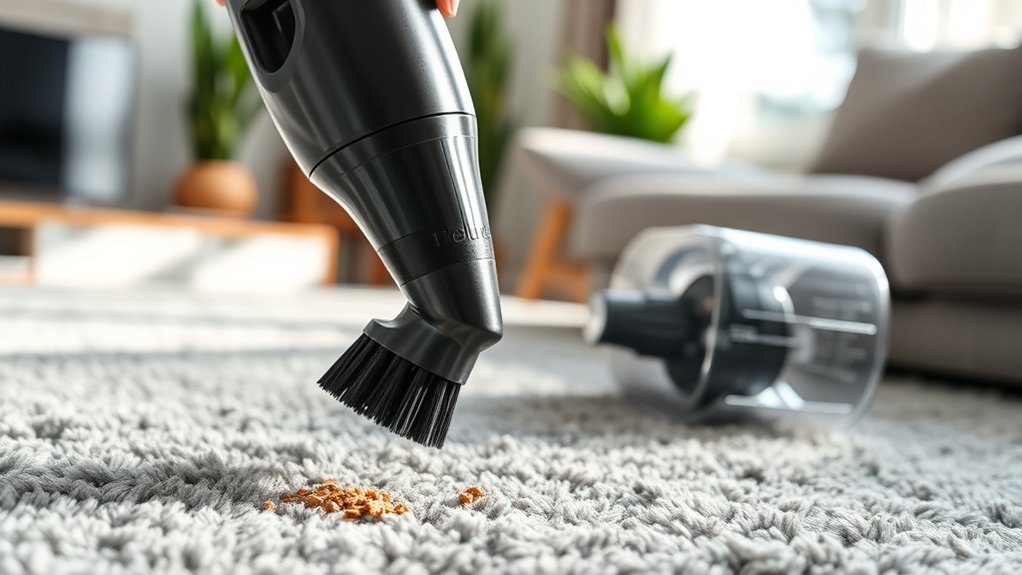
You can use your car vacuum for home cleaning by targeting tight spaces like corners, baseboards, and crevices, thanks to its compact size and versatile attachments. It’s great for quickly removing pet hair, dust, and crumbs from upholstery, stairs, and hard surfaces.
Make sure to use the right nozzle and keep the dustbin empty for best results.
Want to learn how to maximize its use and maintain it properly? Keep exploring to find out more.
Key Takeaways
- Utilize the lightweight, cordless design for easy maneuvering around furniture and tight spaces in the home.
- Attach crevice tools and brushes to effectively clean upholstery, stairs, and hard-to-reach areas.
- Use gentle suction and appropriate attachments for delicate surfaces like curtains and soft furniture.
- Regularly empty and maintain filters to ensure optimal suction during home cleaning.
- Incorporate slow, overlapping passes for thorough cleaning of carpets, grout lines, and textured surfaces.
Why Use a Car Vacuum for Home Cleaning?
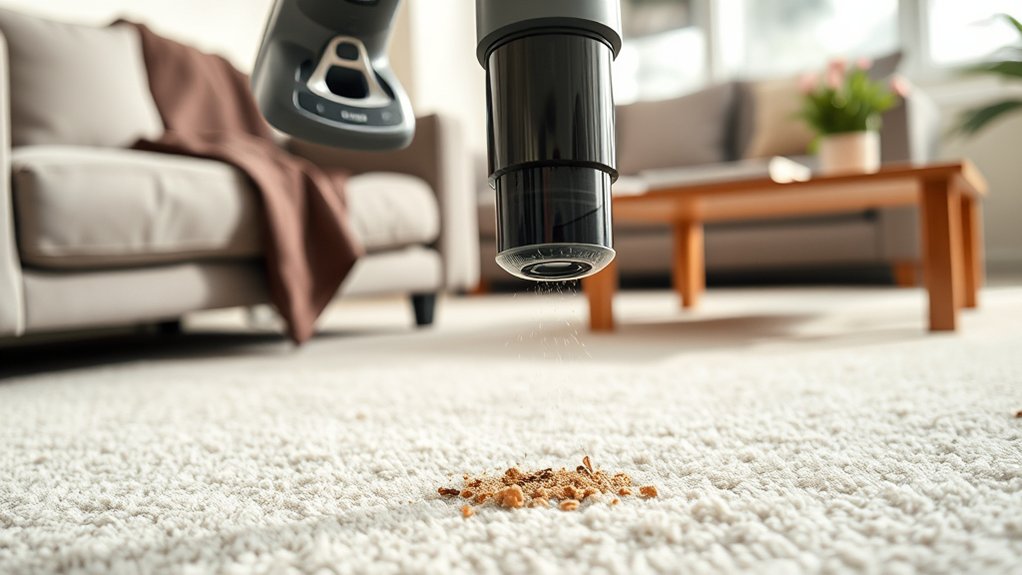
While car vacuums are designed for vehicles, they often work really well for cleaning homes too. Their compact size makes it easy to get into tight spots like corners, between furniture, or along baseboards.
With powerful suction, you can pick up dirt, pet hair, and crumbs effectively without lugging around a heavy, bulky vacuum. Many models are cordless, which means you have more freedom of movement and added convenience.
Using a car vacuum at home saves time, especially for quick cleanups or reaching areas larger vacuums might miss. They’re great for cleaning upholstery, stairs, and even delicate surfaces.
How to Choose the Best Car Vacuum for Your Home
Choosing the best car vacuum for your home depends on a few important factors like size, suction power, battery life, and versatility.
You want a vacuum that’s lightweight and easy to maneuver around furniture and tight spaces. Look for strong suction to pick up dirt, pet hair, and debris from carpets and hard surfaces efficiently.
Battery life is key if you prefer cordless models. You need enough runtime to clean multiple areas without stopping. Versatility is also important; choose one with attachments like crevice tools and brushes for different surfaces and tricky spots.
Think about storage options and whether it’s easy to empty and maintain. By focusing on these features, you’ll find a model that fits your needs and makes cleaning your home easier.
Getting Started: Setting Up Your Car Vacuum for Household Tasks
Getting started with your car vacuum for household chores is pretty simple and helps you get the most out of your device. First, make sure it’s fully charged or plugged in, depending on how it powers up.
Next, attach the right nozzle or brush for what you’re cleaning. Crevice tools are great for tight spots, while wider brushes work better for larger areas.
Check that the dustbin or container is empty and securely in place. Then, get familiar with the power switch and any extra controls like suction adjustment.
If your vacuum comes with multiple attachments, keep them nearby for quick access.
Finally, test it on a small area to make sure everything’s working properly. Once you’re all set up, you’ll be ready to tackle your household cleaning with confidence.
Cleaning Upholstery and Soft Surfaces With Your Car Vacuum
Using your car vacuum on upholstery and soft surfaces calls for gentle suction to prevent any damage. It’s a great way to lift out dirt that regular cleaning might miss.
Keep these tips in mind to keep your soft surfaces in good shape without harming them. Being gentle with the vacuum is key to maintaining their condition.
Gentle Suction for Fabrics
When cleaning upholstery and soft surfaces with your car vacuum, a gentle suction setting is key to avoid damage while still getting rid of dirt and debris. Soft fabrics are delicate, and too much power can tear or distort them.
Set your vacuum to the lowest or a gentle suction level to protect the fibers. Move the nozzle slowly across the surface, letting the vacuum lift dirt without pulling or stretching the fabric.
This careful approach helps keep the fabric’s look and feel intact. Also, avoid pressing down hard—let the suction do the work. Using a gentle setting keeps your upholstery in good shape while staying clean and fresh.
Removing Embedded Dirt
To effectively remove embedded dirt from upholstery and soft surfaces, focus on thorough, targeted cleaning. Use your vacuum’s brush attachment to loosen dirt trapped deep within fibers.
Move the nozzle slowly over the surface, applying gentle pressure to dislodge debris. For stubborn spots, hold the nozzle in place for a few seconds before vacuuming away.
Remember these key points:
- Maintain steady, overlapping passes for complete coverage
- Use the brush attachment to lift dirt from fibers
- Don’t rush; patience guarantees thorough cleaning
Tips for Soft Surface Care
After loosening embedded dirt with your vacuum’s brush attachment, it’s important to follow up with proper care of your soft surfaces. To keep upholstery and soft furnishings looking their best, vacuum regularly using gentle strokes to prevent dust buildup.
For stubborn spots, try a mixture of mild soap and water, but always test on a hidden area first to avoid damage. Avoid harsh chemicals, as they can harm the fibers and shorten the lifespan of your soft surfaces.
| Surface Type | Best Cleaning Tip |
|---|---|
| Fabric Upholstery | Use a soft brush and light vacuuming |
| Leather Surfaces | Wipe with a damp cloth and dry immediately |
| Cushions | Fluff and rotate regularly |
How to Reach Tight Spaces: Corners, Crevices, and Stairs
To clean tight spaces like corners and stair crevices, use the narrow nozzle attachment on your vacuum. Keep the nozzle close to the surface and move slowly to pick up hidden dust and debris.
This simple step guarantees you reach every difficult spot effectively.
Accessing Narrow Corners
Reaching tight spaces like corners, crevices, and stairs can be tricky with a standard vacuum, but the right tools make all the difference. Use a nozzle attachment with a slim, angled design to access narrow corners easily. Attach a crevice tool for tight gaps and stubborn debris.
For stairs, a small, versatile brush helps loosen dust in tight spots. To maximize efficiency, opt for a vacuum with adjustable or flexible attachments. Use extensions to extend reach without losing control.
Switch attachments based on surface and gap size. These tools help you target hard-to-reach areas precisely. Keep your vacuum’s attachments organized so you can quickly switch between them.
With the right accessories, cleaning corners becomes quick, easy, and effective.
Cleaning Stair Crevices
Cleaning stair crevices can be tricky, but with the right tools, you can handle those tight spots easily. Start by attaching a narrow nozzle or crevice tool to your vacuum.
Carefully run the attachment along the edges of each step, focusing on the corners where dust and debris tend to gather. Use short, controlled strokes to reach deep into the crevices without missing anything.
If dust is stubborn, try increasing the suction slightly or go over the area a few times. For stair risers and underside edges, hold the nozzle steady and tilt it slightly to reach hidden dirt.
Remember to empty your vacuum regularly to keep the suction strong. With patience and precision, you’ll keep your stairs clean and free of debris.
Vacuuming Carpets and Rugs Effectively
Vacuuming carpets and rugs thoroughly takes more than just running the vacuum over the surface. It’s about using strategies that get rid of dirt and debris effectively. Start by dividing the area into sections, and focus on one at a time for complete coverage.
Use slow, overlapping passes to loosen up dirt that’s embedded and to lift the fibers properly. For stubborn dirt, go over high-traffic spots several times from different directions.
To boost suction, keep the vacuum’s filter clean and empty the bin regularly.
Remember these key tips:
- Use the right attachment or nozzle for deep cleaning
- Change up your vacuuming pattern to reach all fibers
- Keep your speed steady for a thorough clean
Following these tips will help your carpets and rugs look cleaner and feel fresher.
Cleaning Hard Floors and Tile Grout With a Portable Vacuum
A portable vacuum makes cleaning hard floors and tile grout quick and easy. It easily picks up debris from uneven surfaces and tight grout lines.
With the right attachments, you can keep your floors spotless and your grout looking fresh. It’s a simple way to make cleaning less of a chore.
Effective Tile Grout Cleaning
Using a portable vacuum is an efficient way to tackle dirt and debris deep within tile grout lines. Its crevice tool helps reach narrow spaces, dislodging stubborn grime. To get the best results, try these tips:
- Use the brush attachment to loosen dirt without damaging your tiles.
- Focus on grout lines with slow, deliberate passes.
- Empty the vacuum regularly to keep the suction strong.
This method clears surface debris and pulls out dirt embedded in the grout. The suction combined with the narrow nozzle ensures deep cleaning without much effort. Remember, regular use keeps your grout looking fresh and prevents buildup.
For stubborn stains, you might need to follow up with a grout brush or cleaner. But first, let the vacuum do the heavy lifting. With regular maintenance, your tiles stay cleaner longer, saving you time and effort in the long run.
Hard Floor Debris Removal
Since debris can quickly build up on hard floors, a portable vacuum makes cleaning fast and easy. Its strong suction lifts dust, crumbs, and pet hair from both the surface and grout lines.
For the best results, focus on the grout where dirt settles deep. Use the vacuum’s crevice tool to access tight corners and narrow gaps. Visualize the debris removal process with this table:
| Surface Type | Cleaning Focus |
|---|---|
| Hard Floors | Sweep and lift surface dust |
| Tile Grout | Deep clean with crevice tool |
| Edges & Corners | Reach tight spaces |
This method ensures your floors stay spotless, with dirt and debris removed from every crack and surface.
Removing Pet Hair and Allergens From Furniture and Bedding
Pet hair and allergens can quickly build up on your furniture and bedding, affecting both cleanliness and air quality. To tackle this, use your car vacuum cleaner with a brush attachment designed for upholstery.
Run the vacuum in slow, overlapping motions to lift embedded hair and dust. For stubborn pet hair, lightly mist the fabric with water or a fabric-safe spray to loosen it before vacuuming.
Keep these tips in mind: Use the crevice tool to reach tight spots and seams. Regularly empty the vacuum to maintain suction power. Consider a HEPA filter for better allergen removal.
This approach helps remove pet hair efficiently and improves indoor air quality, making your furniture and bedding cleaner and healthier for everyone.
How to Maintain Your Car Vacuum for Long-Term Use
To keep your car vacuum working well over time, regular maintenance is key. Start by emptying the dustbin or replacing the bag after each use to prevent clogs and keep suction strong.
Check the filters often and clean or replace them as needed because clogged filters can make your vacuum less efficient. Inspect the brushes and attachments for hair, threads, or debris, and clear them out regularly.
Make sure the hose and crevices are free of obstructions. Store your vacuum in a dry, cool place to protect the electrical parts from damage.
It’s also a good idea to review the user manual for specific maintenance tips and recommended replacement parts. Consistent care will keep your vacuum effective, extend its lifespan, and make cleaning easier.
Troubleshooting Common Issues When Using a Car Vacuum at Home
Even with regular maintenance, you might run into common issues when using your car vacuum at home. One frequent problem is reduced suction, which often happens because of clogged filters or a full dust bin.
To fix this, make sure to check and clean or replace the filters regularly. Another issue is the vacuum not turning on, which could be due to a dead battery or loose connections.
Always verify that the power source is working and that the connections are secure. Finally, if debris gets stuck in the nozzle or hose, it can block airflow.
Be sure to routinely inspect and clear any obstructions to keep everything running smoothly.
- Regularly clean or replace filters
- Check power connections and battery charge
- Clear blockages from nozzles and hoses
Tips for Maximizing Your Car Vacuum’s Versatility
Maximizing your car vacuum’s versatility means getting familiar with its attachments and features so you can handle different cleaning tasks easily. Use the crevice tool for tight spots like seat gaps, the upholstery brush for fabric surfaces, and the dusting brush for delicate areas.
Switch between attachments depending on what you’re cleaning to work more efficiently. Adjust the suction power—higher for carpets, lower for delicate surfaces—to get the best results. Keep your attachments organized and within reach for quick changes.
Here’s a quick guide:
| Attachment | Best For | Tips |
|---|---|---|
| Crevice Tool | Tight spots, seams | Use gentle pressure |
| Upholstery Brush | Car seats, fabric surfaces | Use light, even strokes |
| Dusting Brush | Dashboard, vents | Soft bristles for fragile surfaces |
| Extension Hose | Hard-to-reach areas | Keep hose untangled |
| Multi-surface Nozzle | Carpet and floors | Switch based on surface |
Final Tips for Using Your Car Vacuum Safely and Efficiently at Home
While using your car vacuum at home, make sure to unplug it when you’re not using it and avoid wet surfaces that could hurt the motor. Always check for blockages before turning it on, and don’t force it into tight spots.
To keep your vacuum working well and last longer, clean the filters and dust canisters regularly to maintain strong suction. Use the right attachments for different surfaces to get the best clean.
Store your vacuum in a dry, safe place away from kids. These simple steps help keep everything safe and make your cleaning more efficient.
Frequently Asked Questions
Can a Car Vacuum Replace a Traditional Home Vacuum?
A car vacuum can’t fully replace a traditional home vacuum because it’s usually less powerful and designed for smaller spaces. You might find it handy for quick cleanups or tight spots.
But for deep cleaning carpets and large areas, a full-sized vacuum is more effective. Use the car vacuum as a supplementary tool, and stick with your home vacuum for thorough, regular cleaning.
Is It Safe to Use a Car Vacuum on Delicate Home Surfaces?
Yes, it’s safe to use a car vacuum on delicate home surfaces if you take proper precautions. Use the vacuum’s lowest suction setting to prevent damage, and avoid scrubbing harshly.
Try it on a small, hidden area first to make sure it won’t harm the surface. Keep the nozzle gentle and steady.
Always follow the manufacturer’s instructions for both your vacuum and the surface you’re cleaning.
How Long Does a Car Vacuum Typically Last With Regular Home Use?
A car vacuum typically lasts about 3 to 5 years with regular home use. Most models have a lifespan of around 1,000 to 1,500 hours of cleaning.
You can extend its life by cleaning the filters regularly and avoiding overusing the motor. Proper maintenance helps keep your vacuum effective.
This not only saves you money but also keeps your home spotless for years to come.
Are There Specific Attachments Recommended for Home Cleaning Tasks?
Yes, there are specific attachments you should use for home cleaning tasks.
A crevice tool helps you reach tight spots like corners and between furniture cushions.
A brush attachment is great for dusting delicate surfaces and upholstery.
A wide nozzle can cover larger areas efficiently.
These attachments make your vacuum more versatile, allowing you to clean various surfaces and hard-to-reach areas around your home effectively.
Can I Use My Car Vacuum for Wet or Damp Cleaning?
Did you know that about 80% of vacuum cleaners aren’t designed for wet cleaning? You can’t use your car vacuum for wet or damp cleaning unless it’s specifically rated for it.
Using a regular vacuum on moisture can damage the motor or cause a short. So, always check your vacuum’s specifications first.
If it’s not made for liquids, avoid using it on damp surfaces. This way, you keep your vacuum safe and working properly.
Conclusion
Using a car vacuum for home cleaning is surprisingly versatile and convenient. It combines the compact power of your vehicle’s tool with everyday household needs.
As you get familiar with its features, you’ll see that simplicity and efficiency go hand in hand—just like cleaning itself. It’s not just about the tool, but how you adapt it to your space.
Embrace the challenge and transform your home with the unexpected strength of a car vacuum. It’s a smart way to keep every corner spotless.