How Do I Safely Use Multipurpose Cleaner on My Car?
Many car owners want their vehicles to look shiny and well-maintained but often feel unsure about the safest way to clean them without causing damage. You’re not alone—knowing how to use multipurpose cleaner properly can make all the difference in protecting your car’s finish.
To safely use a multipurpose cleaner on your car, start by parking in a shaded spot and gathering soft cloths or sponges.
Before applying, test the cleaner on a small hidden area to check for any reactions. Use the cleaner according to the instructions, applying it evenly and then rinsing thoroughly with water.
Finish by drying with a microfiber towel. Keep in mind, proper techniques protect your vehicle’s finish—if you stay engaged, you’ll learn more helpful tips.
Key Takeaways
- Always test the cleaner on a small, hidden area first. This helps you make sure it won’t damage your car’s paint or finish.
- Follow the manufacturer’s instructions to dilute the cleaner properly. Using it too strong or too weak can cause problems.
- Apply the cleaner evenly using a soft sponge or microfiber cloth. Focus on areas that need extra attention, like dirt spots or stains.
- Rinse your car thoroughly with gentle water. This will wash away any leftover residue and help prevent streaks.
- Finally, dry the surface with a clean microfiber towel. This step is key to avoiding water spots and making your car look shiny.
Why Safe Car Cleaning Practices Matter
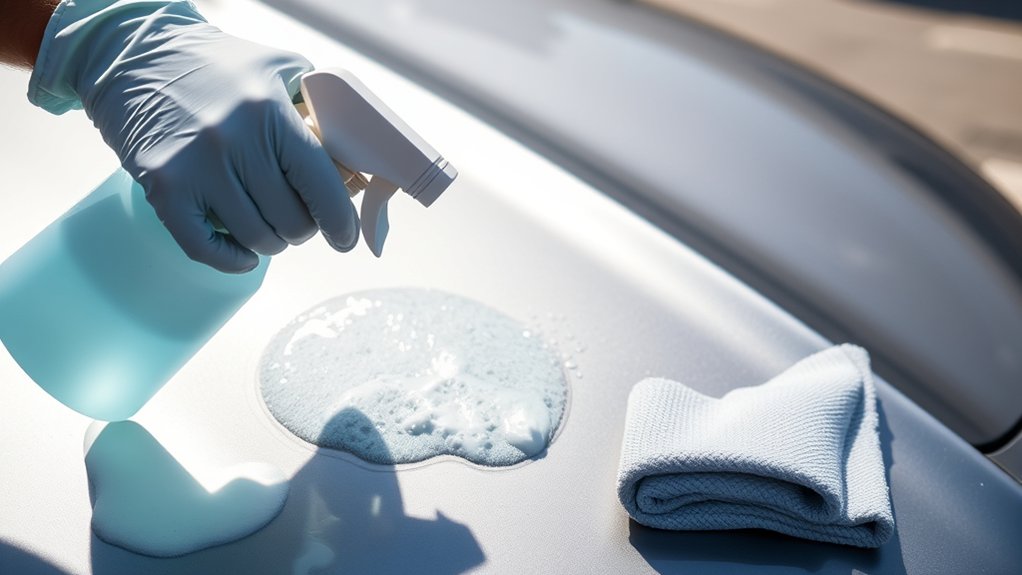
Cleaning your car safely is essential to prevent damage and keep it looking its best. When you follow proper cleaning practices, you protect your vehicle’s paint, trim, and delicate surfaces.
Using harsh chemicals or scrubbing too aggressively can cause scratches, dullness, or even permanent damage. Safe cleaning also helps preserve your car’s value and appearance over time.
It’s important to choose the right products and methods, especially with multipurpose cleaners that can be strong if misused. Being cautious reduces the risk of streaks, discoloration, or corrosion.
Prioritizing safety guarantees you maintain your car’s aesthetic appeal without unintended harm. Careful cleaning practices extend your vehicle’s lifespan and keep it looking fresh and well-maintained.
Getting Your Car Ready for Safe Cleaning
Before you start using a multipurpose cleaner, it’s important to prepare your car to prevent any potential damage. First, park your car in a shaded area to avoid soap and cleaner streaks caused by direct sunlight.
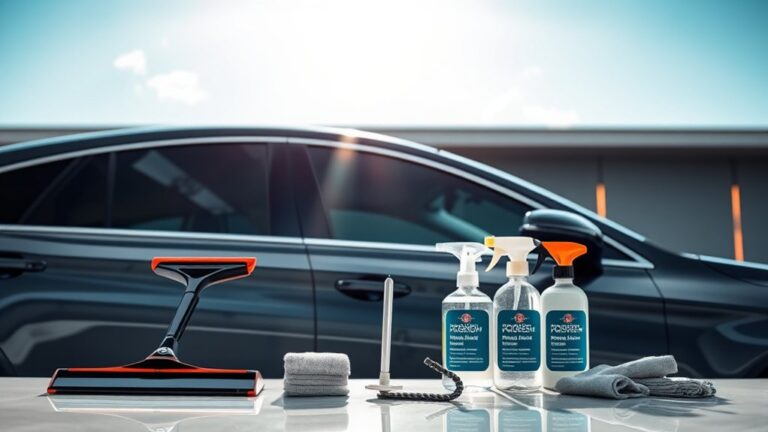
Next, gather all necessary supplies like a soft sponge, microfiber cloths, and a bucket of water. Then, remove loose dirt and debris from the surface with a gentle rinse or blow-off to prevent scratching during cleaning.
This initial step guarantees the cleaner works effectively and minimizes the risk of damaging your vehicle’s paint or finish. Taking these precautions creates a safe, clean surface that’s ready for thorough and gentle cleaning with your multipurpose cleaner.
How to Choose the Best Multipurpose Cleaner for Your Vehicle
When choosing a multipurpose cleaner for your vehicle, it’s important to consider the type of surface you’re cleaning and the materials involved. Always check the label to make sure the cleaner is safe for automotive finishes, plastics, or rubber parts.
Look for products labeled as gentle yet effective. Avoid harsh chemicals that could damage surfaces or cause paint to degrade.
Think about the cleaner’s versatility—some formulas work on multiple surfaces, which makes your job easier. Reading reviews or asking for recommendations can help you find reliable options.
Pay attention to the ingredients too. Eco-friendly and non-abrasive formulas help protect your vehicle’s exterior and interior.
Finally, pick a cleaner that fits your cleaning routine, whether you prefer spray, foam, or wipe-on options for efficient and safe vehicle maintenance.
How Do Multipurpose Cleaners Work on Car Surfaces?
Multipurpose cleaners work by breaking down dirt, grease, and grime on different car surfaces using a mix of surfactants and solvents. Surfactants lift and emulsify dirt so it can be rinsed away easily.
Solvents dissolve stubborn residues like grease and oil, making cleaning more effective. When you spray the cleaner, it penetrates grime and loosens it from the surface.
This process allows you to wipe or rinse dirt away without needing to scrub too hard. Overall, the combination makes these cleaners versatile and effective for various car surfaces.
Here are three key points:
- Surfactants emulsify dirt and grease for easy removal.
- Solvents dissolve stubborn residues like oil.
- The cleaner loosens grime, reducing the effort needed to clean.
Testing a Small Area Before Full Cleaning
Start by choosing a hidden spot on your car to test the cleaner, so any potential damage isn’t visible. Apply gentle pressure and watch closely for reactions like discoloration or streaks.
If everything looks good, you can confidently move on to cleaning the larger area. Just take it slow and keep an eye out for any issues.
Choose Hidden Spot First
Before applying the cleaner to your entire car, it’s important to test it on a small, hidden spot first. This way, you can make sure it won’t damage your paint or finish.
Choose a hidden spot like the lower edge of a door or inside the trunk area. This minimizes the risk if the cleaner reacts badly.
Here are the steps:
- Apply a small amount of cleaner to the hidden spot.
- Wait a few minutes to see if there’s any change or discoloration.
- If everything looks good, you can go ahead and clean larger areas confidently.
Use Gentle Pressure
Gently applying pressure when testing a small area helps prevent accidental damage to your car’s paint or finish. Use a soft cloth or sponge and press lightly on the surface.
If you press too hard, you might scratch or mar the paint, especially if dirt or debris are present. Start with a small, hidden spot, like under the bumper or behind a door, to see how your car reacts to the cleaner.
If there’s no discoloration, streaking, or damage, you can proceed with more confidence. Always remember, less pressure is better when testing.
This step guarantees you won’t inadvertently cause harm to your car’s finish during the cleaning process. Taking your time now saves you trouble later.
Observe for Reactions
Once you’ve applied a small amount of cleaner to a hidden area, watch closely for any signs of reaction. Look for discoloration, streaks, or a change in texture.
If the surface darkens, spots appear, or the paint begins to bubble, stop immediately. Testing in a discreet spot helps prevent damage on visible areas.
Here are key signs to watch for:
- Discoloration or fading
- Unusual streaks or spots
- Surface bubbling or swelling
If you notice any of these reactions, rinse the area thoroughly with water and avoid using that cleaner on the rest of your car. This step helps protect your vehicle’s finish while safely testing cleaning products.
How to Properly Apply Multipurpose Cleaner to Your Car
Start by preparing your car’s surface, making sure it’s cool and free of loose dirt.
Choose the right type of multipurpose cleaner based on your vehicle’s material, then spray or apply it evenly.
Finally, rinse thoroughly to remove any residue and leave your car spotless.
Prepare Your Vehicle Surface
Before applying the multipurpose cleaner, you need to prepare your vehicle’s surface to make sure the cleaner works effectively. Proper preparation helps prevent dirt and grime from interfering with the cleaning results.
First, park your car in a shaded area to stop the soap from drying too quickly. Next, rinse the entire surface with water to remove loose debris and dirt. This step helps prevent scratching during cleaning.
Then, look for stubborn dirt or bugs on the surface and pre-treat those spots with a gentle brush or cloth. These steps help create a clean, smooth surface so the cleaner can better penetrate grime and dirt.
Preparing your vehicle properly ensures a thorough, safe cleaning process with better results, without damaging your car’s paint or finish.
Select Appropriate Cleaner Type
Choosing the right type of multipurpose cleaner is essential for a safe and effective car cleaning process. Not all cleaners are suitable for every surface, so always check labels carefully.
For exterior surfaces, pick a cleaner formulated for automotive use. Look for one that’s gentle but effective at breaking down dirt and grime.
If you’re cleaning the interior, go for a mild, non-abrasive cleaner that won’t damage upholstery or plastics. Consider the material you’re cleaning—different surfaces might need different cleaners.
Avoid harsh chemicals like bleach or ammonia since they can cause damage or discoloration. Always read the instructions to make sure the cleaner works with your vehicle’s surfaces, and test on a small, hidden spot first.
Apply and Rinse Properly
To apply multipurpose cleaner effectively, start by diluting it as per the manufacturer’s instructions. This ensures you get the right concentration for your vehicle’s surfaces.
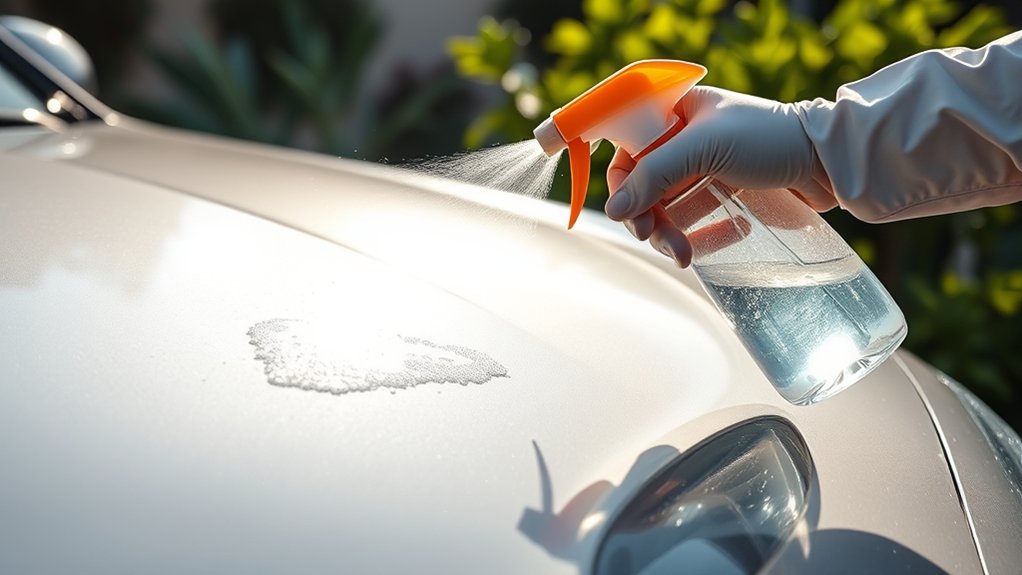
Once diluted, spray or apply the cleaner evenly over the car’s surface, focusing on areas with dirt and grime. Use a soft brush or microfiber cloth to work the cleaner into the surface, loosening dirt.
Rinse thoroughly with clean water, making sure no residue remains. This helps prevent streaks or spots from forming on your car.
Remember to rinse from the top down so dirt flows away from cleaned areas. Avoid letting the cleaner dry on the surface, as it can cause streaks or damage.
Proper application and rinsing will give you a safe, spotless finish every time.
Rinsing and Drying Your Car After Cleaning
After you’ve finished applying the cleaner, it’s important to rinse your car thoroughly with clean water to remove any leftover residue. Use a gentle stream of water, making sure to cover all surfaces so no cleaner stays behind.
This step helps prevent streaks and spots caused by leftover cleaner or dirt. Once you’ve rinsed everything, grab a clean, soft microfiber towel or chamois to dry your vehicle.
Start at the top and work your way down, gently blotting and wiping the surface. Avoid air drying, as it can leave water spots, especially if your water is hard.
Proper drying prevents mineral deposits and streaks, leaving your car shiny and clean. Take your time and ensure every area is dry for a spotless, professional-looking finish.
Tips for Maintaining Your Car’s Finish Safely
Maintaining your car’s finish safely takes regular care and mindful habits. Washing your car often with gentle products helps prevent dirt and grime from building up and damaging the paint. Always use a soft microfiber cloth or sponge to avoid scratching the surface.
Regular gentle washing with soft cloths preserves your car’s paint and prevents damage.
Protect your car’s paint by applying a quality wax or sealant every few months. This creates a barrier against environmental elements and keeps your car looking shiny. Whenever possible, park in shaded areas to reduce UV exposure, which can cause the finish to fade over time.
Here are some simple tips to keep your car looking its best:
- Use gentle cleaning products and soft cloths.
- Wax and seal the paint regularly.
- Park in shaded areas to prevent UV damage.
Frequently Asked Questions
Can I Use Multipurpose Cleaner on Tinted Windows Safely?
You should avoid using multipurpose cleaner on tinted windows unless it’s specifically labeled safe for glass and tint. Many cleaners have chemicals that can damage or peel the tint film.
Instead, opt for a gentle, ammonia-free glass cleaner and a soft microfiber cloth. It’s a good idea to test a small, hidden area first to make sure there’s no adverse reaction.
Regular, careful cleaning can keep your tinted windows clear without risking damage.
Is It Okay to Use Multipurpose Cleaner on Car Wheels?
Yes, you can use multipurpose cleaner on your car wheels, but be cautious. Think of it as giving your wheels a gentle spa treatment. Spray the cleaner on, then scrub with a soft brush to remove dirt and brake dust.
Rinse thoroughly with water to prevent any residue from sticking. Avoid harsh scrubbing or letting the cleaner sit too long, especially if your wheels are painted or coated, to avoid damage.
How Often Should I Clean My Car With Multipurpose Cleaner?
You should clean your car with multipurpose cleaner every two to four weeks, depending on your driving conditions and environment.
Regular cleaning helps prevent dirt, grime, and brake dust buildup, keeping your car shiny and protected.
When you’re cleaning, be sure to follow the product instructions carefully, avoid harsh scrubbing, and rinse thoroughly.
This routine will keep your car looking its best and help maintain the paint and surface integrity over time.
Are There Specific Safety Precautions for Using Cleaner on Interior Surfaces?
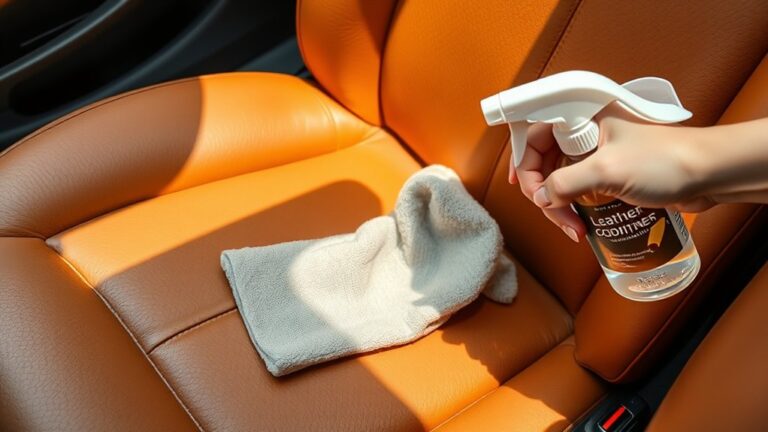
Ever wondered if you’re risking damage by cleaning your car’s interior? Always test the cleaner on a small, hidden area first to see if it causes discoloration or damage.
Use a soft cloth or sponge, and avoid harsh scrubbing. Keep the cleaner away from vents and electrical components to prevent any issues.
Make sure to ventilate the space well, and wear gloves if needed. These safety tips help protect your interior surfaces while keeping everything spotless and safe.
Can I Use Multipurpose Cleaner on Car Upholstery or Fabric?
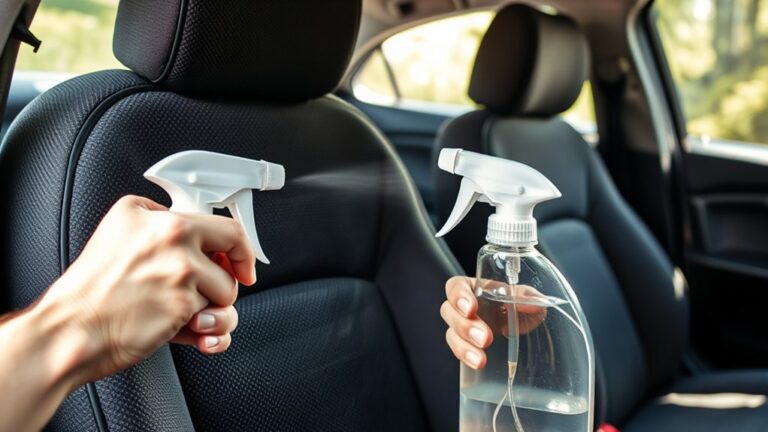
You can use a multipurpose cleaner on your car’s upholstery or fabric, but be careful. First, test a small, hidden spot to make sure the color won’t fade.
Use a diluted cleaner and don’t soak the fabric. Gently scrub with a soft brush or cloth, then wipe with a clean damp cloth.
Let it air dry completely before sitting on the seat to avoid any leftover residue.
Conclusion
By treating your car with the care of a gentle gardener, you’ll keep its shine blooming and its paintwork pristine. Think of your cleaning routine as a loving dance—gentle steps, careful choices, and a tender touch.
When you choose the right multipurpose cleaner and follow these tips, your car’s surface will gleam like a starry night sky, resilient and radiant.
With patience and care, your vehicle will stay a smooth, shining masterpiece on the road. Using multipurpose cleaner safely helps protect your car’s finish and keeps it looking its best.