How to Safely Use Multi-Surface Cleaner on Your Car
Many car owners struggle with keeping their vehicle looking spotless without causing damage. Finding the right cleaning products can feel overwhelming, especially with so many options out there. If you’re worried about harming your car’s finish or using harsh chemicals, you’re not alone.
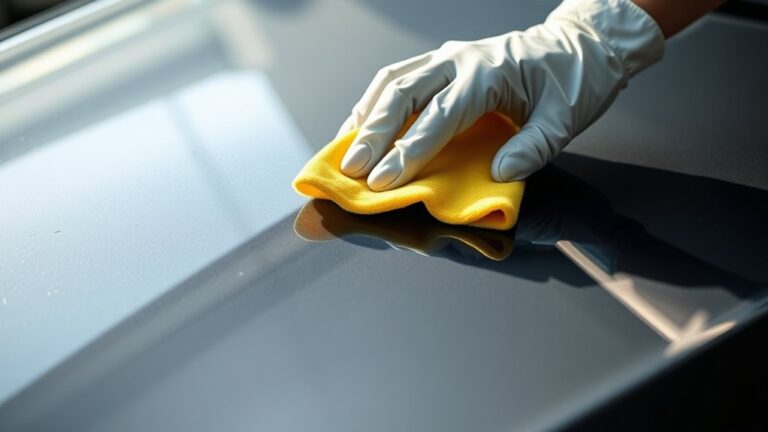
To safely use a multi-surface cleaner on your car, start by choosing a pH-balanced, automotive-safe product and test it on a small, hidden area first. Use soft microfiber cloths or sponges, and avoid harsh chemicals or abrasive tools.
Always follow the instructions, and rinse thoroughly to prevent residue. Protect your vehicle’s finish by avoiding overuse or concentrated solutions.
To uncover more tips on avoiding damage and maintaining your car’s shine, keep exploring the details.
Key Takeaways
- Always read and follow the label instructions before applying the cleaner.
- It’s a good idea to test the product on a small, hidden spot first. This helps you see if there’s any reaction or damage.
- Use soft microfiber cloths or sponges. They help prevent scratching your car’s surfaces.
- After cleaning, rinse thoroughly with water and dry with a clean towel. This keeps your car looking its best.
- Wear gloves to protect your skin and work in a well-ventilated area for safety.
Why Safe Car Cleaning Matters and Common Risks
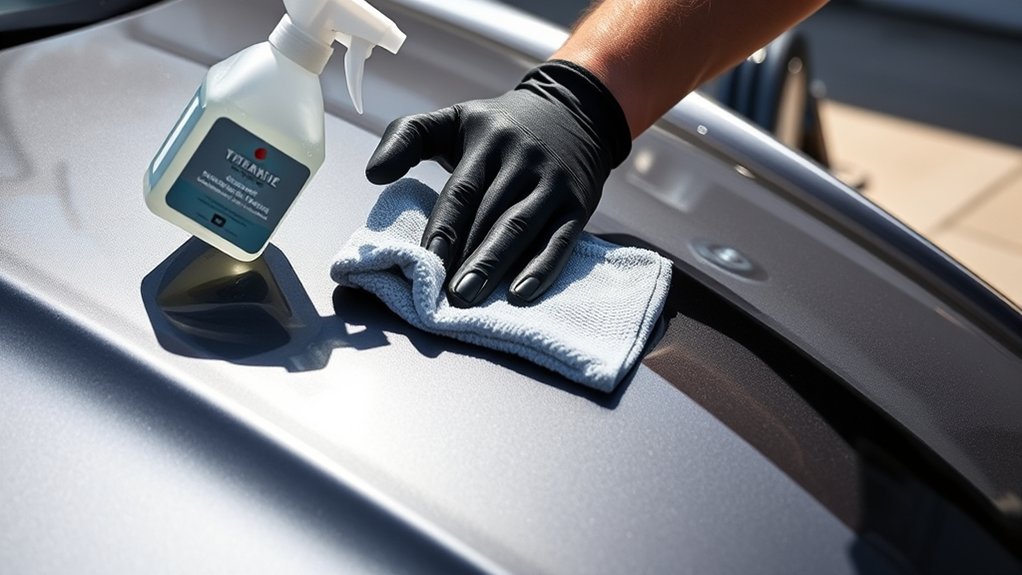
While it might be tempting to grab any cleaner and start scrubbing, using unsafe products can damage your car’s paint, trim, and interior surfaces. Harsh chemicals can strip away the protective clear coat, leading to dullness and even corrosion.
Using unsafe cleaners risks damaging your car’s paint, trim, and interior surfaces.
Some cleaners contain acids or alkalis that can discolor or weaken plastics, rubber, and upholstery. Using the wrong product might also cause streaks, stains, or residues that are tough to remove.
Fumes from unsafe cleaners can be harmful to your health if inhaled or if they contact your skin. Choosing safe, appropriate multi-surface cleaners helps protect your vehicle’s appearance and lifespan.
Being mindful of product ingredients and sticking to recommended cleaners ensures your car stays in top condition without any unintended damage.
Choosing the Right Multi-Surface Cleaners for Your Car
Choosing the right multi-surface cleaner starts with understanding your vehicle’s specific needs and the materials involved. Different surfaces like upholstery, plastic, or glass need different cleaning agents.
Check your car’s owner manual for manufacturer recommendations. Look for cleaners labeled safe for automotive use and suitable for multiple surfaces.
Avoid harsh chemicals like bleach or ammonia, which can damage materials or cause discoloration. Opt for pH-balanced formulas that won’t harm sensitive surfaces.
Consider environmental factors. If your car is exposed to dirt or grime often, choose a stronger cleaner. Also, read reviews to see how effective and safe the product is.
Using the wrong product can cause damage or leave your car unclean. Taking the time to choose wisely ensures a safe, thorough clean.
Prepare Your Car for Safe Cleaning
Before you start cleaning, remove any loose debris like leaves and dirt to prevent scratching the surface.
Check the weather forecast to make sure you won’t be caught in rain or strong sun during your cleaning session.
Gather all necessary supplies so you can clean efficiently and safely without interruptions.
Remove Loose Debris
Removing loose debris from your car’s surface is the essential first step to guarantee a safe and effective cleaning process. Use a soft-bristled brush or a microfiber cloth to gently sweep away dirt, leaves, and loose dust. This prevents scratching the paint when you apply cleaner or water later.
Pay attention to crevices, around door handles, and near vents, where debris often accumulates. If you notice stubborn dirt, a quick rinse with water can loosen it further. Avoid using harsh tools that could damage the surface.
Taking the time to clear loose debris ensures the cleaner works more effectively and reduces the risk of scratching or staining your car’s paint or trim. This simple step sets the foundation for a thorough, safe cleaning.
Check Weather Conditions
Is the weather good for cleaning your car today? If it’s sunny and dry, it’s a great time to wash your vehicle.
Avoid cleaning if rain’s forecasted because water can cause streaks or leave dirt behind. Windy days can blow dust and debris onto your car, undoing your effort.
Check the temperature—ideally, it should be between 50 and 85°F. Too hot, and the cleaner may dry too quickly, leaving spots. Too cold, and it might not dry properly.
Humidity levels matter too. High humidity can extend drying time and cause streaks.
Taking a moment to check the weather helps make sure your cleaning is effective and safe. It prevents wasting time or damaging your car with unsuitable conditions.
Gather Necessary Supplies
Gathering all the necessary supplies before you start ensures a smooth and efficient cleaning process. Having everything within reach helps you avoid interruptions and keeps things moving smoothly.
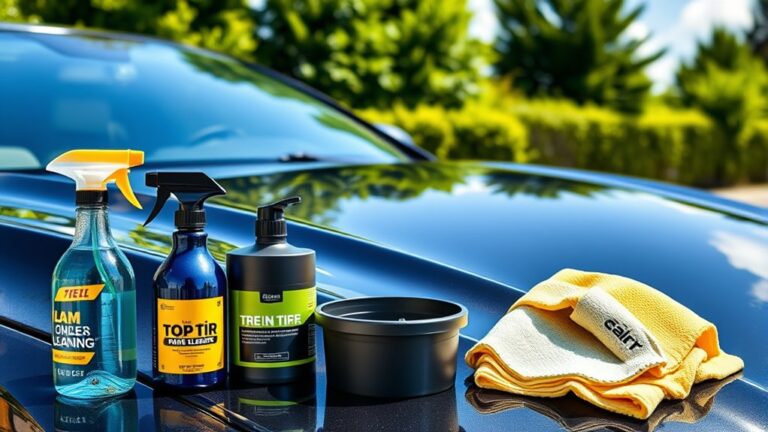
Make sure to have your multi-surface cleaner, microfiber cloths, a bucket of water, and a soft brush on hand. You might also want gloves and a spray bottle to make the job easier.
Organize these supplies so they’re easy to access and ready for use. This way, you won’t waste time searching for what you need in the middle of cleaning.
How to Use Multi-Surface Cleaners Safely on Your Car
Using multi-surface cleaners on your car requires careful attention to safety to prevent damage or injury. Always read the label instructions before applying the cleaner.
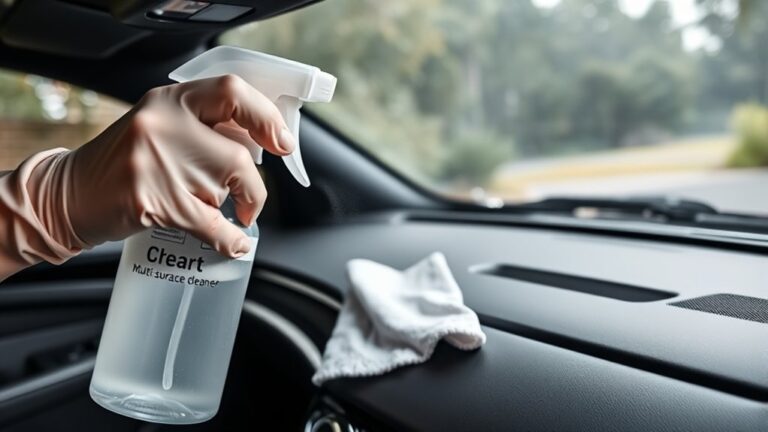
Test the product on a small, hidden area first to make sure it won’t harm the surface. Use a soft microfiber cloth or sponge to avoid scratching.
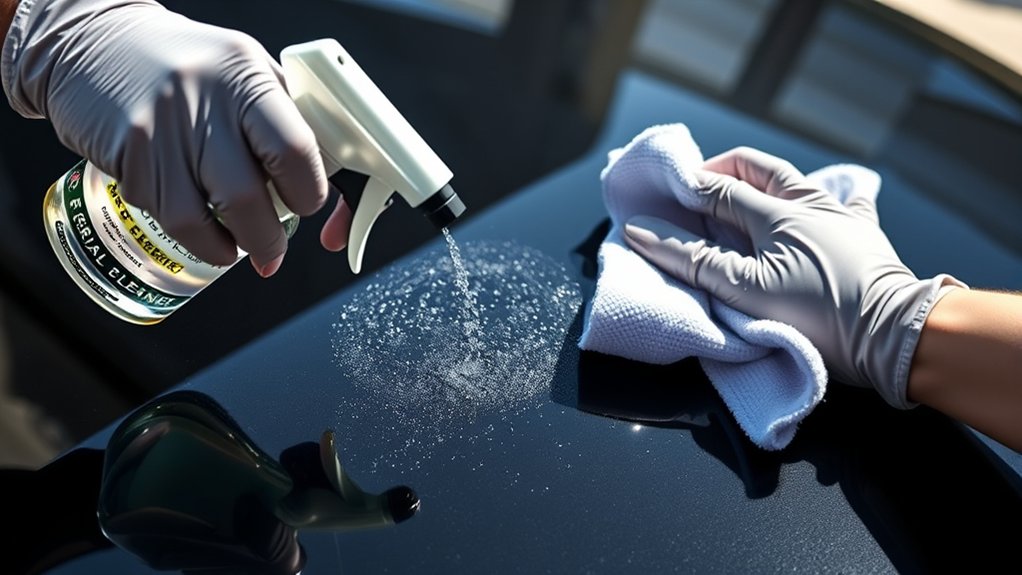
Keep the cleaner away from your eyes, skin, and lungs by wearing gloves and working in a well-ventilated area. Don’t spray directly onto sensitive electronics or vents; instead, spray onto the cloth first.
If you’re cleaning around delicate areas, use gentle, controlled motions. Rinse thoroughly with water if needed, and dry surfaces with a clean towel.
Following these safety steps helps protect your car’s finish and your well-being.
Avoid Common Mistakes That Can Damage Your Car
To protect your car’s finish, always use the proper dilution ratios for your cleaner and avoid applying it directly.
Steer clear of abrasive materials that can scratch or dull the surface, and test your cleaner on small, hidden areas first.
This simple approach helps prevent costly damage and keeps your car looking its best.
Use Proper Dilution Ratios
Making sure you use the correct dilution ratio is essential because improper mixing can harm your car’s paint and finish. Too much cleaner can leave residue or cause streaks, while too little may not clean effectively.
Always read the label carefully to determine the recommended ratio, typically a few ounces of cleaner per gallon of water. Use a measuring cup for accuracy, and never guess.
Mix the solution thoroughly before applying it to your car. If you’re unsure, start with a weaker solution and test it on a small area first.
Over-concentrated cleaners can strip wax or damage paint, so err on the side of caution. Proper dilution guarantees effective cleaning without risking damage, keeping your car looking its best.
Avoid Abrasive Materials
Avoiding abrasive materials is essential because they can scratch or dull your car’s paint surface. Using rough sponges, steel wool, or stiff brushes might seem like a quick fix, but they can cause permanent damage.
Instead, opt for soft microfiber cloths or gentle sponges designed for car surfaces. These materials clean effectively without scratching your paint.
Be cautious with brushes or scrubbers labeled as “heavy-duty,” as they often have rough textures that can harm your paint. Also, avoid household cleaning or scouring pads, which are too abrasive for automotive finishes.
Test on Small Areas
Before applying multi-surface cleaner over a large area, test it on a small, inconspicuous spot first. This helps you check for any reactions like discoloration or damage before covering a visible area.
Choose a spot like a lower corner or behind a door where any damage won’t stand out. Spray a small amount of the cleaner and wait a few minutes to see what happens.
If the surface stays the same, it’s safe to go ahead. But if you notice discoloration, streaks, or warping, don’t use that product on bigger surfaces.
Testing saves you from costly mistakes and makes sure the cleaner won’t harm your car’s paint or finish. Always follow the manufacturer’s instructions and double-check if the cleaner is compatible with your vehicle’s surfaces.
Tips for Maintaining Your Car’s Finish After Cleaning
Maintaining your car’s finish after cleaning is key to keeping it looking sharp and protecting the paint. Proper aftercare helps your car stay shiny and resistant to damage.
Proper aftercare preserves your car’s shine and protects its paint from damage.
To do this right, consider these tips:
- Apply a quality wax or sealant to create a barrier against dirt, UV rays, and pollutants.
- Use a microfiber cloth to gently buff the surface, removing any remaining streaks or residue.
- Park in shaded areas to prevent sun damage and avoid water spots from quick drying in direct sunlight.
Regular maintenance helps preserve your car’s glossy appearance and prevents premature paint aging.
Consistent care ensures your vehicle keeps that just-cleaned look longer and protects your investment.
What to Do If You Damage Your Car During Cleaning
Even with careful maintenance, accidents can happen during cleaning that might damage your car’s finish. If you notice scratches, dull spots, or streaks, stop cleaning immediately. Gently rinse the area with water to remove any remaining cleaner or debris.
Assess the damage—small scratches may be buffed out with a suitable polishing compound. For more significant damage, avoid using abrasive products or aggressive scrubbing, which can make things worse. Consider applying touch-up paint if the scratch is deep.
If you’re unsure, it’s a good idea to consult a professional detailer or auto body specialist. Addressing damage quickly can prevent further issues and keep your car looking its best.
Stay calm and handle the problem carefully to protect your investment.
Frequently Asked Questions
Can Multi-Surface Cleaners Be Used on Leather Car Interiors?
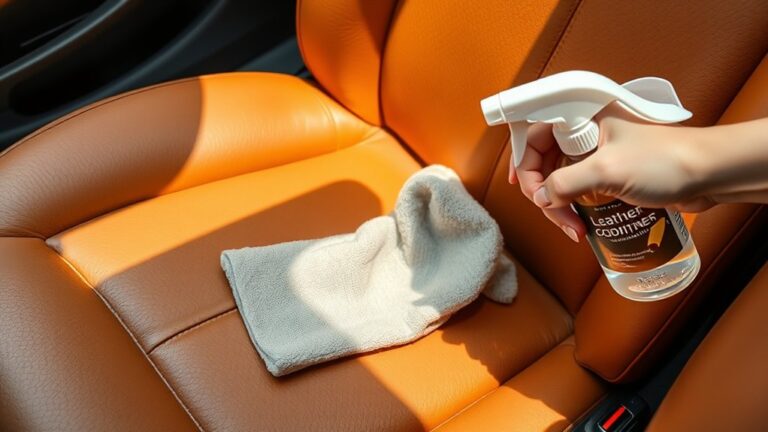
Yes, you can use multi-surface cleaners on leather car interiors, but you need to be careful. Check the product label to make sure it’s safe for leather.
Test a small, hidden area first to see if it causes any discoloration or damage. Use a soft cloth and avoid soaking the leather.
Regularly clean and condition your leather to keep it looking its best and prevent cracking.
Are Multi-Surface Cleaners Effective for Removing Stubborn Stains?
Think of stubborn stains as persistent weeds in your garden. They need the right tools to be uprooted. Multi-surface cleaners can work well if they’re designed to handle tough spots, but they’re not magic.
You might need to put in a little extra effort, let the cleaner sit for a bit, or try a specialized product. Always test first and be patient—your car’s surface will thank you.
How Often Should I Clean My Car With Multi-Surface Cleaner?
You should clean your car with a multi-surface cleaner every one to two months, depending on how often you use it and how much dirt it’s exposed to.
Regular cleaning helps keep the interior looking good and stops grime or stains from building up. If your car gets dirtier more often, consider cleaning it more frequently.
Always read and follow the product instructions, and test on a small area first to avoid any damage. Staying consistent will keep your car looking fresh and well-maintained.
Is It Safe to Use Multi-Surface Cleaner on Tinted Windows?
Yes, it’s safe to use multi-surface cleaner on tinted windows—if you choose the right one.
Ironically, the cleaners that can damage your car’s interior might be just fine on your tinted glass. But only if they’re ammonia-free and gentle.
Always check the label first, spray sparingly, and wipe with a soft cloth.
That way, your tinted windows stay clear and scratch-free, and you avoid turning your car into a science experiment.
Can Multi-Surface Cleaners Be Used on Car Tires?
Yes, you can use multi-surface cleaners on your car tires, but make sure to pick a gentle formula made for automotive use.
Spray the cleaner onto the tires and scrub with a tire brush or sponge, focusing on dirt and grime. Rinse thoroughly with water afterward.
Avoid harsh chemicals or abrasive tools that could damage the rubber.
Always test a small area first to make sure it’s compatible.
Conclusion
So, next time you’re ready to give your car a quick spruce-up, keep in mind: a little caution goes a long way.
Rushing through cleaning might actually cause more harm than dirt ever did. Take your time, pick the right products, and follow safe practices.
Remember, your car’s finish isn’t just about looks. It’s also about protecting your investment.
Using a multi-surface cleaner safely is key to keeping your car in top shape. Happy cleaning, and don’t let a slip-up turn into a costly mistake!