Can Car Headlights Be Cleaned?
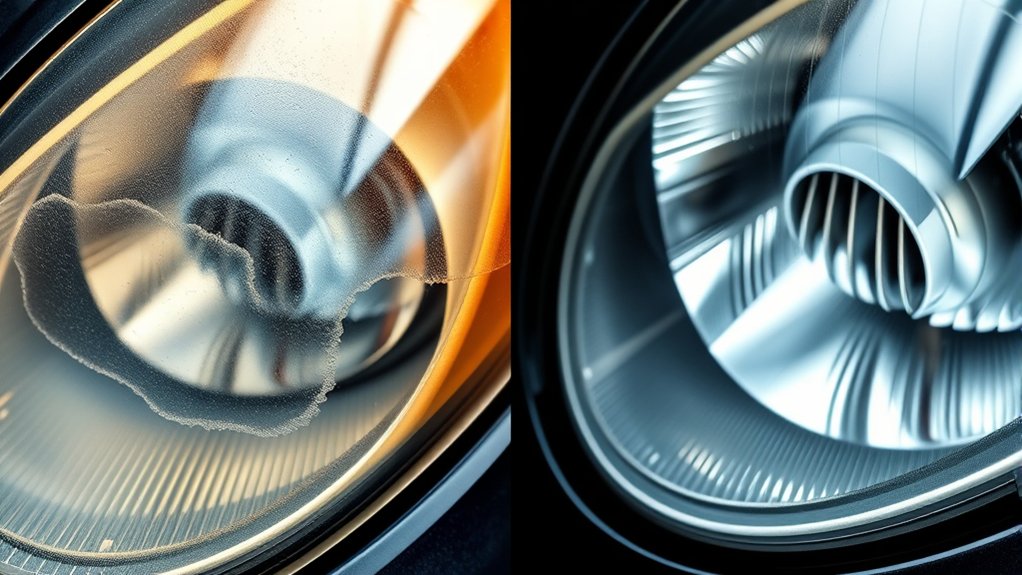
Are your car headlights looking dull or foggy? You’re not alone—many drivers struggle with reduced visibility because of cloudy or yellowed headlights.
Luckily, cleaning your headlights is easier than you think and can make a huge difference on the road.
Yes, you can clean your car headlights to restore brightness and improve visibility. Simple methods like using toothpaste or baking soda with water can work for light cloudiness, while sanding and specialized kits can tackle more severe damage.
Regular maintenance and protective coatings help keep headlights clear longer.
If you want to know the best techniques and when to seek professional help, there’s more to uncover to keep your headlights in top shape.
Key Takeaways
- Yes, you can definitely clean your car headlights using DIY methods or get them professionally restored.
- If your headlights are just mildly cloudy or oxidized, a simple cleaning and polishing can often do the trick.
- But if they’re severely yellowed or have pitting, you might need professional restoration or even replacement.
- Regular maintenance and using protective sealants can help keep headlights clear and extend their lifespan.
- DIY kits work well for minor damage, but they might not be enough if your headlights are heavily damaged.
Can You Restore Headlights Naturally, or Do They Need Replacing?
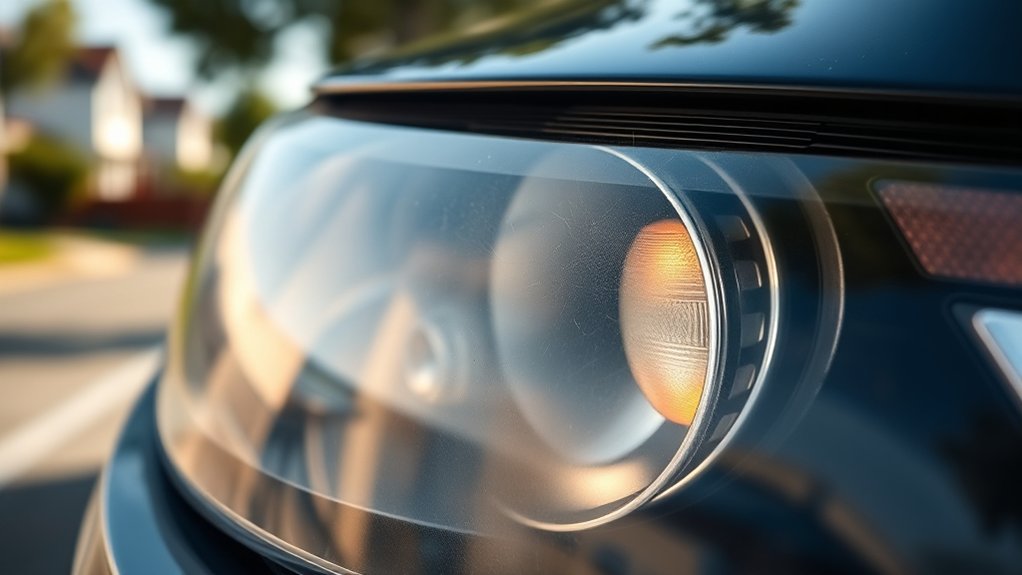
Wondering whether you can restore your headlights naturally or if they need replacing? The good news is, you often can improve cloudy or yellowed headlights without buying new ones.
Natural cleaning methods, like using a mixture of baking soda and water or toothpaste, can remove surface grime and minor oxidation. You might also try rubbing them gently with a soft cloth or sponge.
Use baking soda, toothpaste, and gentle rubbing to remove surface grime and minor oxidation from headlights.
These techniques are cost-effective and simple to do at home. Keep in mind, though, that natural cleaning works best for light cloudiness.
If your headlights are severely yellowed or pitted, natural methods may not fully restore clarity. In those cases, professional restoration or replacement might be necessary.
But for minor issues, natural remedies are a quick, affordable solution.
Signs Your Headlights Are Too Cloudy to Clean Yourself
If your headlights look faded or yellowed, they might be beyond simple cleaning.
Persistent cloudiness or haze that doesn’t improve after washing also signals it’s time to consider professional help.
When these signs show up, trying to clean them yourself may not bring back their brightness effectively.
Faded or Yellowed Lenses
When your headlights become faded or yellowed, it’s usually a sign that the damage has gone beyond simple cleaning. The plastic lens has likely undergone chemical changes from prolonged sun exposure, oxidation, or environmental pollutants.
This isn’t just surface dirt; the lens material has deteriorated, causing a dull, cloudy appearance that regular cleaning won’t fix. If your headlights look considerably discolored or have a persistent yellow tint, it indicates deep-seated damage.
Attempting to polish or clean these lenses may yield only limited results, and the faded appearance won’t improve much. At this point, the damage is structural, and restoring clarity requires more advanced solutions like replacement or professional treatment.
Recognize this as a sign that your headlights are too far gone for DIY cleaning.
Persistent Cloudiness or Haze
Persistent cloudiness or haze on your headlights usually means that simple cleaning won’t bring back their clarity.
If the cloudiness is deep or stubborn, it’s a sign the damage has gone beyond surface dirt. You might notice that household cleaners or polish no longer help.
This haze could be caused by severe oxidation, scratches, or deterioration of the lens material itself. If your headlights look milky, foggy, or cloudy even after cleaning, it’s time to consider professional restoration or replacement.
Trying to scrub away this level of cloudiness can actually cause more damage, making the problem worse. When haze sticks around and DIY methods don’t work, it’s a clear sign your headlights are too far gone to clean at home.
Best Methods to Clean and Restore Your Headlights
Cleaning and restoring your headlights doesn’t have to be complicated. Start with simple household items like toothpaste or baking soda mixed with water.
Apply the mixture to a soft cloth and scrub the surface in circular motions. Rinse with clean water and dry thoroughly.
For more effective results, you can use a headlight restoration kit, which often includes a sanding pad, polish, and sealant.
Sanding lightly with fine-grit sandpaper can remove the outer layer of oxidation, revealing clearer plastic underneath.
Finish with a UV sealant to protect against future damage. Always wash your headlights regularly to prevent buildup and maintain clarity.
These methods are affordable and straightforward, helping you restore your headlights’ brightness quickly and effectively.
Are DIY Headlight Cleaning Kits Worth It?
DIY headlight cleaning kits are affordable and easy to use, making them a popular choice.
But you should think about whether they give you results that last and if they’re worth the price.
In the end, weighing how convenient they are against how well they work can help you decide if it’s worth giving them a try.
Effectiveness of DIY Kits
Many people wonder if DIY headlight cleaning kits are a cost-effective and reliable solution for restoring clarity. These kits can work well for minor cloudiness or oxidation, especially if you follow the instructions carefully.
Typically, they include abrasive compounds, polishing pads, and sealants that can remove surface haze and restore some brightness. Their effectiveness really depends on how badly the headlights are damaged.
For light oxidation, DIY kits often do a good job and give noticeable results. But if your headlights are heavily fogged or deeply pitted, these kits might not be enough.
You might need to try multiple treatments or still not get professional-quality clarity. Overall, DIY kits can be a decent quick fix, but they don’t always guarantee the best results for all kinds of headlight damage.
Cost and Convenience
Considering their low cost and ease of use, DIY headlight cleaning kits can be a great option if you want to improve visibility without spending too much. These kits usually cost between $10 and $30, making them more affordable than professional services.
You can typically finish cleaning your headlights in about 30 minutes, which adds to their convenience. They’re designed to be simple to use, often needing only basic tools and minimal effort.
Just keep in mind that results can vary depending on how oxidized or cloudy your headlights are. If you’re comfortable with simple DIY projects, these kits are a quick and budget-friendly way to improve your headlights.
However, for stubborn fogging or more serious damage, professional cleaning may be a better and more effective choice, even if it costs a bit more.
When Should You Consider Professional Headlight Restoration?
There are certain signs that indicate it’s time to seek professional headlight restoration. If your headlights look cloudy, yellowed, or hazy even after cleaning, it’s a clear sign they need more than a simple wipe.
When you notice a significant decrease in brightness, making nighttime driving unsafe, professional restoration can restore their clarity and performance. Scratches or deep oxidation that can’t be removed with over-the-counter products also warrant expert attention.
If you’ve tried DIY methods without success, or the damage is widespread, professionals have the tools and expertise to restore your headlights effectively. Waiting too long can compromise safety, so consider professional help whenever your headlights are visibly dull or impairing your visibility.
How to Maintain Bright, Clear Headlights Long-Term
To keep your headlights bright and clear over time, regular maintenance is key. Start by cleaning them every few months with gentle soap and water, then dry thoroughly. Applying a UV sealant or protective wax helps prevent sun damage and oxidation.
Whenever possible, park your car in shaded areas to reduce UV exposure. Check your headlights regularly for foggy or cloudy lenses and address any issues right away.
Here’s a quick guide to long-term care:
| Maintenance Step | Benefits |
|---|---|
| Regular cleaning | Removes dirt, grime, and bugs |
| UV protective coatings | Blocks sun damage and oxidation |
| Proper parking habits | Minimizes UV exposure |
Follow these tips, and your headlights will stay clear and bright for years to come.
Common Mistakes to Avoid When Cleaning Headlights
Cleaning your headlights might seem simple, but some mistakes can actually do more harm than good. First off, avoid using harsh abrasives or steel wool, which can scratch the plastic and make the cloudiness worse.
Don’t forget to test cleaning solutions on a small area first. Some chemicals can cause discoloration or damage the surface. Using too much pressure or scrubbing aggressively can also harm the headlight, leading to cracks or uneven cleaning.
Never use household cleaning products like bleach or ammonia. They can break down the plastic and cause more issues. Also, make sure to rinse thoroughly; leaving residue can attract dirt or cause streaks.
Finally, avoid cleaning your headlights in direct sunlight. The heat can make the cleaning products dry too quickly, resulting in streaks or hazy spots. Follow proper techniques for the best results.
How Often Should You Check and Clean Your Headlights?
Regularly inspecting and cleaning your headlights every few months helps maintain their brightness and guarantees safe visibility while driving. You should check for dirt, grime, or oxidation that can dull the light output.
If you notice cloudiness or yellowing, it’s time for cleaning or restoration. Environmental factors like dirt, bugs, and road salt can quickly accumulate, reducing effectiveness.
Make it a habit to inspect your headlights during routine car washes or oil changes. Clean them promptly if you see haze or dirt buildup.
Consistent maintenance prevents long-term damage and keeps your headlights functioning efficiently. Regular checks help you catch issues early, saving you from costly repairs or replacements later.
Staying proactive about headlight care keeps your visibility clear and your drives safer.
How Long Does a Headlight Restoration Last?
Wondering how long a headlight restoration lasts? It usually depends on things like your driving habits, weather, and the quality of the repair. On average, you can expect it to last between 1 to 3 years.
To get the most out of your restoration, keep these tips in mind:
- Regular Maintenance: Clean and check your headlights every few months. This way, you can catch early signs of fogging or yellowing.
- Protective Coatings: Applying a UV sealant after restoring your headlights can help extend their lifespan.
- Driving Conditions: If you often drive in harsh weather or on dirt roads, your headlights might not stay clear as long.
Frequently Asked Questions
Can Cloudy Headlights Affect Your Vehicle’s Safety?
Yes, cloudy headlights can affect your vehicle’s safety by making it harder to see at night or in bad weather. When your headlights are hazy, they don’t shine as brightly, so you might miss obstacles, pedestrians, or other vehicles.
This can increase your chances of getting into an accident. Regularly cleaning and restoring your headlights helps keep them clear and working well.
Keeping your headlights bright is a simple way to drive safer and avoid potential hazards on the road.
Are There Specific Cleaning Products Best for Headlight Restoration?
Yes, there are specific cleaning products that are best for headlight restoration. Look for kits that include a polishing compound, a cleaning solution, and a protective sealant.
These products are designed to effectively remove oxidation, scratches, and haze. It’s best to avoid harsh household cleaners or abrasive materials, as they can damage the plastic.
Using a dedicated headlight restoration kit will give you better results and help keep your headlights clearer for longer.
How Can You Tell if Headlights Need Replacement Instead of Cleaning?
You can tell if your headlights need replacement instead of cleaning if they stay cloudy or yellowed even after you try cleaning them. If their brightness doesn’t get better and visibility still sucks, it’s a sign they might need swapping out.
Check for deep scratches, cracks, or any serious damage. If the lenses are badly discolored or damaged beyond surface cleaning, replacing them is the safer bet. It ensures you get better illumination and stay safe on the road instead of wasting time on cleaning that doesn’t work.
Do Headlight Covers Require Different Cleaning Techniques?
Think of headlight covers like a vintage vinyl record—delicate and needing special care. Yes, they require different cleaning techniques.
Use a soft cloth or sponge with non-abrasive cleaner to avoid scratching. For stubborn grime, a gentle plastic polish works wonders.
Avoid harsh chemicals or abrasive pads that can damage the plastic. Regular, gentle cleaning keeps your headlight covers clear, ensuring maximum brightness and safe driving.
Is It Safe to Use Abrasive Materials on Plastic Headlights?
Using abrasive materials on plastic headlights isn’t safe because they can scratch and damage the surface.
Instead, you should opt for gentle cleaning methods like a soft cloth and a plastic-friendly cleaner.
If your headlights are cloudy or foggy, consider using a specialized plastic polish or a mild abrasive designed for plastics.
Always test a small area first and avoid harsh scrubbing to keep your headlights clear and intact.
Conclusion
With clear, bright headlights, your drives become safer and more confident. Imagine the road ahead illuminated like a guiding light, helping you through foggy nights and dark highways.
Regular cleaning keeps your headlights shining like new, preventing cloudiness from dulling your view. It’s a simple step that makes a big difference.
So, take a moment to care for them. Your journey will be safer, and your vehicle will look sharper. Brighten your path today and enjoy every mile with clarity and confidence.
Remember, cleaning your car headlights is key to maintaining good visibility and safety on the road.