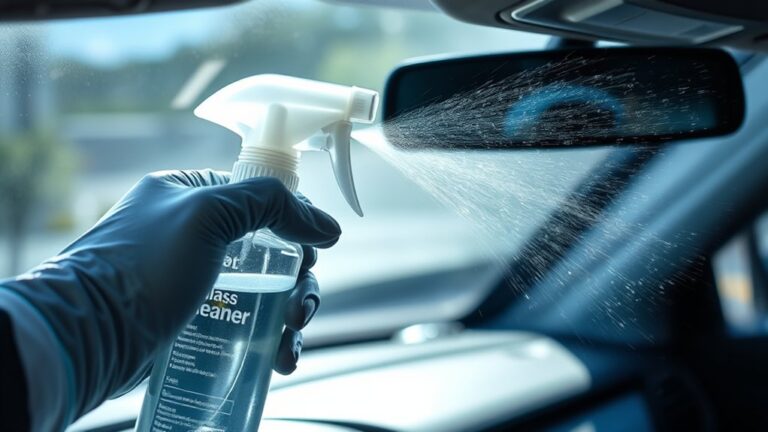
Can I Use Household Window Cleaner on My Car?
Are you tired of streaky, cloudy windows ruining your view while driving? Many car owners struggle with finding the right products to keep their glass crystal clear. You’re not alone in wanting that perfect, streak-free shine without damaging your car’s paint or seals.
Using household window cleaner on your car isn’t a good idea because these cleaners often contain harsh chemicals like ammonia that can damage your paint, seals, and glass over time. They’re designed for household surfaces, not automotive glass, which can lead to streaks, residue, and long-term harm.
For the safest, streak-free results, it’s best to use products made specifically for car windows.
Keep going for expert tips to keep your car’s glass spotless and protected.
Key Takeaways
- Household window cleaners often contain ammonia or harsh chemicals that can damage your car’s paint and rubber seals.
- They’re made for household glass, not for automotive surfaces. This means they can cause streaks, residues, or even long-term damage.
- Car-specific glass cleaners are safer and designed to prevent streaks, especially on tinted or treated windows.
- Using household cleaners might remove light dirt, but they can leave streaks and aren’t effective against stubborn grime.
- For the best results, stick to automotive glass cleaner and use microfiber cloths.
- If you’re dealing with tough stains or damage, it’s best to seek professional cleaning.
Is Using Household Window Cleaner on Your Car Safe?
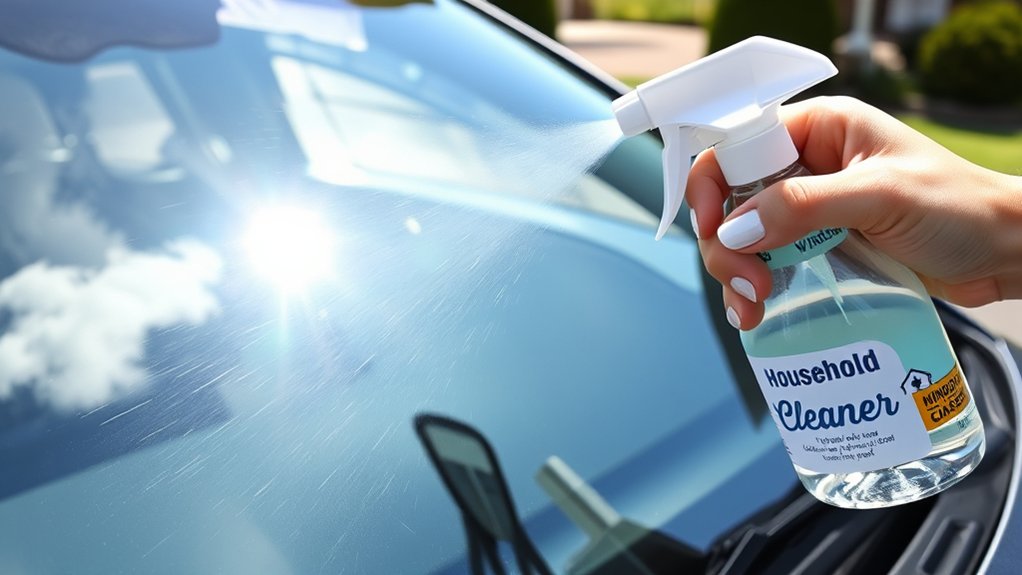
Many car owners wonder if household window cleaner is safe to use on their vehicles. The truth is, while it might seem convenient, using these cleaners on your car can cause problems.
Household window cleaners often contain ammonia or harsh chemicals that can damage your car’s paint, clear coat, or even the rubber seals around the windows. These cleaners are designed for glass in household windows, not automotive surfaces.
Household window cleaners can harm your car’s paint, seals, and clear coat. Use automotive-specific products instead.
Applying them might give you a quick clean, but it can lead to long-term harm like fading or cracking. If you want to keep your car looking good and avoid costly repairs, it’s best to stick with products specifically made for automotive glass.
Using the right cleaner guarantees your car stays protected and shiny.
How Do Household Window Cleaners Differ From Car Glass Cleaners?
Household window cleaners are quite different from car glass cleaners in their formulas and what they’re meant for. Household cleaners often have ammonia or vinegar, which can be harsh and might damage your car’s tinted windows or paint if used the wrong way.
Car glass cleaners are made specifically for automotive glass, so they clean well without leaving streaks or residue. They usually contain alcohol-based solvents that evaporate quickly, helping to prevent streaks and smudges.
| Feature | Household Window Cleaner | Car Glass Cleaner | Common Use |
|---|---|---|---|
| Main Ingredients | Ammonia, vinegar | Alcohol-based solvents | Home windows, mirrors |
| Purpose | General cleaning | Automotive glass | Car windows, windshields |
| Safety on Surfaces | Varies, often harsh | Safe for tinted glass | Vehicles |
Will Household Window Cleaner Effectively Clean Your Car Windows?
Can household window cleaners effectively clean your car windows? They can usually remove dirt and smudges, but how well they work depends on the situation. Here are four things to keep in mind:
- Dirt Removal: Household cleaners can handle light dirt and fingerprints, making your windows look clearer.
- Streak Prevention: If you don’t wipe properly, they can leave streaks that reduce visibility.
- Sticky Residues: Stubborn grime or grease on car windows might be tough to clean with these products.
- Glass Compatibility: Some formulas might contain ingredients that could damage tinted or treated glass.
While household cleaners can work for quick cleanings, they’re not made specifically for car windows. For the best results and safety, using a specialized car glass cleaner is usually a smarter choice.
What Are the Risks of Using Household Window Cleaner on Your Car?
Using a household window cleaner on your car can be risky because these products are made for household glass, not for automotive surfaces. Many contain harsh chemicals like ammonia or alcohol that can damage your car’s paint, rubber seals, or plastic trim.
These cleaners might leave residues or streaks that are tough to clean off, which can reduce visibility when you’re driving. Plus, using them often can weaken or damage the protective coatings on your vehicle’s glass, leading to more wear over time.
The chemical makeup of household cleaners isn’t designed to handle the environmental conditions your car faces, like UV rays or dirt buildup. Overall, using the wrong cleaner can do more harm than good, possibly leading to costly repairs or replacements.
When Is It Safe to Use Household Window Cleaner on Your Car?
While household window cleaners are generally not recommended for car surfaces, there are certain situations where their use can be safe.
You might consider using them if the cleaner is ammonia-free and labeled safe for automotive use.
Also, only clean the exterior glass, avoiding painted or plastic parts.
If the windows are really smudged or greasy, quick removal might be needed.
Just make sure to rinse the surface thoroughly with water afterward to prevent residue buildup.
In these cases, apply the cleaner carefully, avoiding prolonged contact with paint or trim, and rinse immediately.
Always test a small area first to check for any adverse reactions.
Keep in mind, regular use isn’t recommended, but occasional, cautious cleaning can be safe if you follow these guidelines.
What Are the Best Alternatives for Cleaning Car Windows?
Looking for the best alternatives to household window cleaners for your car? You should consider using a dedicated automotive glass cleaner. These products are formulated specifically for car windows and won’t damage the glass or surrounding materials.
Microfiber cloths are also essential, as they clean effectively without scratching the glass. A mixture of water and a small amount of white vinegar can work well as a natural, inexpensive option. Just avoid harsh chemicals.
Commercial glass cleaning sprays designed for vehicles are widely available and usually provide streak-free results. Remember, avoid using household cleaners with ammonia or bleach, as they can harm the tint or seals on your car windows.
Choosing the right products guarantees a clear, streak-free finish without risking damage.
How Can You Safely Clean Your Car Windows?
To clean your car windows safely, start by choosing gentle, non-abrasive cleaning products. Use soft cloths and light techniques to avoid scratching the glass.
Finally, dry the windows with a clean, soft cloth to prevent streaks and water spots.
Choose Proper Cleaning Products
Choosing the right cleaning products is key for safely and effectively cleaning your car windows. Using the wrong ones can damage the glass or leave streaks behind.
To get a safe, streak-free clean, consider these tips:
- Use a dedicated automotive glass cleaner made specifically for vehicles.
- Avoid household cleaners with ammonia—they can harm tint and trim.
- Pick a microfiber cloth to prevent scratches and get a better clean.
- Always test new products on a small, hidden area before applying everywhere.
Stick with products formulated for cars—they’re designed to clean without damaging the glass or surrounding materials. Be sure to read labels carefully to make sure they’re safe for your vehicle.
Following these tips helps keep your windows clear, streak-free, and undamaged.
Use Gentle Techniques
Gently cleaning your car windows helps prevent scratches and damage while ensuring a streak-free shine. Use soft, non-abrasive cloths or microfiber towels to avoid scratching the glass.
When wiping, apply light pressure and use circular motions to lift dirt without damaging the surface. Avoid scrubbing aggressively, especially on stubborn spots, as this can cause scratches.
If needed, spray the cleaning solution onto the cloth rather than directly onto the glass to prevent excess liquid from seeping into seals. Take your time and work in small sections, ensuring even coverage.
Dry With Soft Cloth
After cleaning your windows, grab a soft, lint-free cloth or microfiber towel and carefully dry the surface. This step helps prevent streaks and water spots, giving you a clear finish.
Gently press the cloth against the glass without using too much pressure. Use vertical or horizontal strokes to avoid creating streaks.
Frequently switch to a dry part of the cloth to remove excess moisture. Pay special attention to edges and corners, drying them thoroughly to prevent water buildup.
Always use a light touch to avoid scratching the glass. Take your time to dry each section completely for a spotless, streak-free shine.
Proper drying helps keep your windows clear and extends their lifespan.
Tips for Achieving a Streak-Free, Spotless Finish
To get a streak-free, spotless finish, focus on proper cleaning techniques that prevent streaks and residue. Using the right methods makes all the difference.
Use a clean, soft cloth designed specifically for glass to avoid scratches and ensure a smooth, even shine. It’s a simple step that really pays off.
Paying attention to these small details helps you achieve professional-looking results every time. With a little care, your surfaces will look flawless and spotless.
Proper Cleaning Techniques
Achieving a streak-free, spotless finish on your car windows requires a careful approach and the right technique. First, always wash the windows with a gentle cleaner and soft cloth to remove dirt.
Second, spray your chosen cleaning solution evenly across the glass, avoiding excess. Third, use a clean, lint-free cloth or squeegee to wipe the glass in a consistent, top-to-bottom motion.
Fourth, dry the edges and corners thoroughly to prevent streaks. Keep your cloth damp but not soaked, and avoid circular motions, which can cause smudges.
Regularly change or rinse your cloth to prevent dirt from transferring back onto the glass. By following these steps, you’ll achieve clear, streak-free windows that improve visibility and look professional.
Using the Right Cloth
The key to a streak-free, spotless finish is choosing the right cloth for cleaning your car windows. You want a microfiber cloth because it’s gentle, non-abrasive, and highly effective at trapping dirt and grime.
Avoid using old or rough towels, as they can scratch the glass and leave lint behind. Make sure your microfiber cloth is clean and dry before you start; a dirty cloth can spread dirt and cause streaks.
For best results, fold the cloth into quarters so you’re always using a fresh surface. Use light, circular motions to wipe the glass, applying gentle pressure.
Afterward, flip the cloth or switch to a dry section to buff the glass to a clear, streak-free shine.
When Should You See a Professional for Car Window Cleaning?
Wondering when it’s time to call in a professional for your car window cleaning? You should consider professional help if:
- Your windows have stubborn stains or mineral deposits that household cleaners can’t remove.
- You notice streaks or smudges that stick around even after multiple cleaning attempts.
- Your windshield has extensive pitting or damage that affects your visibility.
- You want a deep clean that includes the interior, especially those hard-to-reach spots and mold buildup.
If you’re unsure or feel uncomfortable tackling tough spots yourself, professionals have special tools and solutions to restore clarity safely. They can also make sure your windows are streak-free and chip-free, keeping your visibility and safety intact. When in doubt, reaching out to an expert is always a smart move.
Frequently Asked Questions
Can Household Window Cleaners Damage Tinted Car Windows?
Yes, household window cleaners can damage tinted car windows. Many of them contain ammonia or alcohol, which can break down the tint’s adhesive and cause discoloration or peeling over time.
To protect your tinted windows, use a cleaner specifically designed for automotive glass or a simple mixture of water and mild soap. Always test any product on a small, hidden area first to be safe.
Avoid harsh chemicals to keep your tint looking good and intact for longer.
Are There Any Long-Term Effects of Using Household Cleaners on Car Glass?
Using household cleaners on your car glass is like planting a seed in uncharted soil. While it might seem harmless at first, there can be long-term effects.
These include etching, reduced clarity, and damage to tint or coatings. Over time, your glass could become cloudy or scratched, which makes visibility worse.
Stick to products designed for automotive glass to protect your investment. This helps keep your vision crystal clear for miles ahead.
How Often Should I Clean My Car Windows for Optimal Visibility?
You should clean your car windows at least once a week for ideal visibility. Regular cleaning gets rid of dirt, grime, and streaks that can block your view.
If you often drive in bad weather or dusty conditions, think about cleaning them more often. Use a good glass cleaner and a microfiber cloth to avoid streaks.
Sticking to a cleaning routine helps keep your windows clear. This makes driving safer and more comfortable for you.
Do Household Window Cleaners Contain Harmful Chemicals for Automotive Paint?
Household window cleaners often contain chemicals like ammonia or alcohol, which can damage your car’s paint and clear coat over time. These harsh ingredients can strip away protective layers, leading to dullness or peeling.
It’s best to avoid using regular glass cleaners on your vehicle. Instead, choose automotive-specific cleaners that are designed to clean effectively without harming your car’s paint or finish. This way, your vehicle stays shiny and protected.
Can Using Household Cleaners Void My Car’s Warranty?
Using household cleaners on your car can be like opening Pandora’s box—hidden risks waiting to surface. If these cleaners damage your paint or finish, your warranty might not cover repairs.
Always check your vehicle’s manual or ask a professional before using any household products. To keep your car safe and shiny, stick to products made specifically for automotive use.
Better safe than sorry when it comes to your vehicle’s warranty.
Conclusion
Think of cleaning your car windows like tending to a delicate garden. Using household cleaners without care is like watering your plants with anything at hand—you might do more harm than good.
Instead, choose the right tools and techniques, just like selecting the perfect fertilizer. With patience and the proper approach, your car’s windows will shine like a well-tended garden.
This will give you a clear view and peace of mind on every drive. Remember, it’s best to avoid household window cleaner on your car to prevent damage and ensure a streak-free finish.