
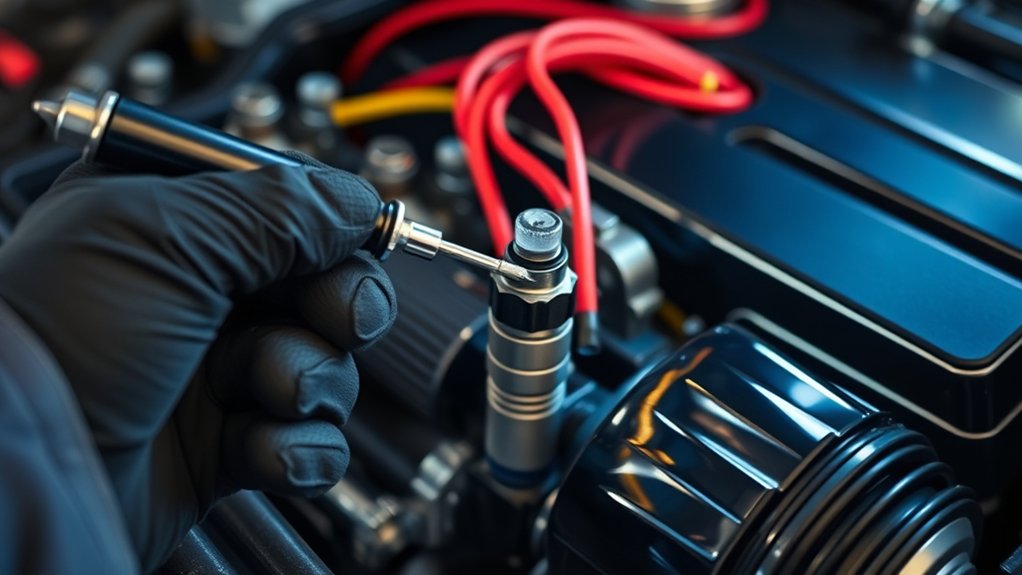
How to Fix Car Sputters After Using Fuel Injector Cleaner
If your car starts sputtering after using fuel injector cleaner, you’re not alone. Many drivers face this frustrating issue and wonder how to fix it quickly. Luckily, there are simple steps you can take to get your engine running smoothly again.
If your car sputters after using fuel injector cleaner, start by inspecting your fuel lines and injectors for debris or clogs, and clean or replace parts as needed.
Check your spark plugs and ignition components for wear or damage and replace if necessary.
Make sure you’re using the correct cleaning products, following instructions carefully.
Finally, reset your engine control module to clear error codes.
Keep going for more tips to fix the issue effectively.
Key Takeaways
– Inspect and clean or replace fuel lines and injectors to remove debris or clogs caused by cleaning residues.
Give these parts a good look to see if any buildup is blocking the fuel flow. Cleaning or replacing them can often fix sputtering issues after using injector cleaner.
– Check and replace worn or damaged spark plugs and ignition components to ensure proper ignition.
If your spark plugs are worn out, they might not ignite the fuel properly, leading to rough running. Replacing them can make a big difference.
– Verify the correct type of fuel injector cleaner was used and follow instructions precisely.
Using the wrong cleaner or not following the directions can cause more harm than good. Double-check that you used the right product and followed all steps carefully.
– Reset the engine control module (ECM) using an OBD-II scanner to clear error codes and reset fuel settings.
Resetting the ECM can help your car recalibrate after cleaning. This step can resolve lingering issues caused by residual error codes.
– Ensure filters are clean and replace them if dirty, as clogged filters can worsen sputtering issues.
A dirty fuel filter can restrict fuel flow and make sputtering worse. Keeping filters fresh and clean is a simple way to improve engine performance.
Why Is Your Car Sputtering After Fuel Injector Cleaning?
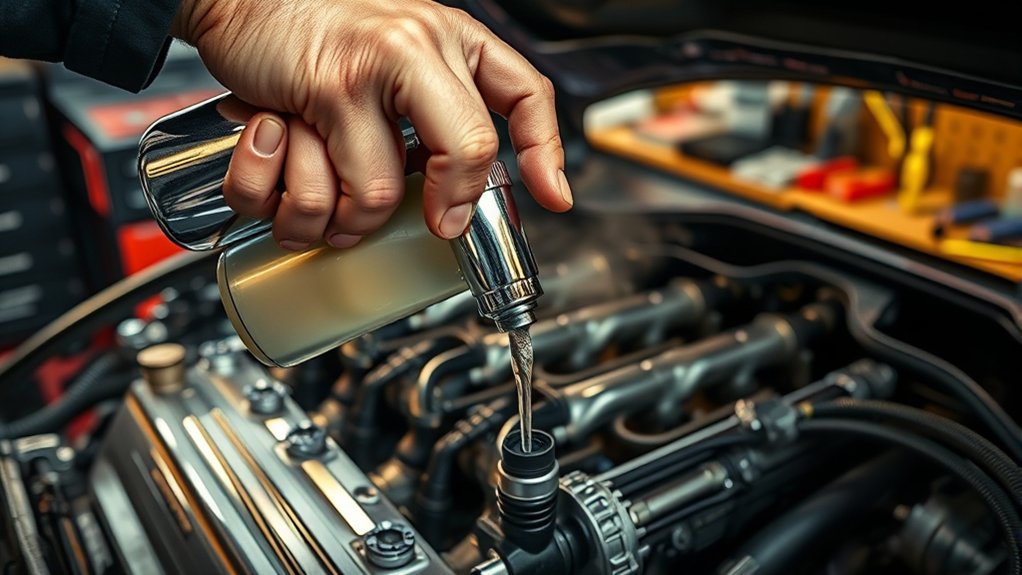
Have you recently had your fuel injectors cleaned only to notice your car sputtering afterward? This often happens because the cleaning process can dislodge debris or deposits that then clog smaller passages or sensors.
Sometimes, the cleaner itself may leave behind residues that interfere with normal fuel flow. If your vehicle’s air filter or fuel filter is already dirty, the added debris can make things worse, causing inconsistent engine performance.
Additionally, if the cleaning wasn’t thorough or the wrong type of cleaner was used, it might disturb your engine’s fuel mixture. This can lead to your engine struggling to run smoothly and sputtering.
Understanding these causes can help you figure out whether the problem is from the cleaning process or other underlying issues.
Inspect Fuel Lines and Injectors for Residue or Clogs
To ensure your fuel system is working properly, carefully check the fuel lines and injectors for any residue or clogs that might cause sputtering. Start by looking for cracks, leaks, or blockages in the fuel lines.
If you see any debris or buildup, clean or replace the lines as needed. Remove the fuel injectors and inspect them for clogs or deposits. Use a brush or compressed air to clear out any residue.
If deposits still remain, soak the injectors in a fuel system cleaning solution. Make sure all connections are secure and free of obstructions. This thorough check helps ensure smooth fuel flow and prevents sputtering caused by restricted fuel delivery.
Check and Replace Spark Plugs and Ignition Components
Since worn or faulty spark plugs and ignition components can cause your engine to misfire or sputter, it’s important to check them regularly. Remove the spark plugs and look for signs of wear like corrosion, excessive gap, or fouling.
If they seem damaged or worn out, replace them with new ones suitable for your vehicle. Also, inspect ignition wires, coils, and related parts for cracks, burns, or corrosion. Faulty ignition components can interrupt spark delivery, leading to sputtering after fuel injector cleaning.
When changing spark plugs, make sure they’re properly torqued to prevent misfires. Regular maintenance of these parts boosts ignition efficiency, keeps your engine running smoothly, and helps reduce sputtering issues—especially after using fuel injector cleaner.
Use the Correct Fuel Injector Cleaning Products and Techniques
Using the right fuel injector cleaning products and techniques is essential for effectively removing deposits that cause sputtering. Choose reputable fuel injector cleaners designed for your vehicle type. Follow the instructions carefully; most products require adding a specific amount to a full tank or using a dedicated cleaning cycle.
Avoid cheap or generic cleaners, as they might not work effectively or could damage injectors. Regularly using high-quality products can prevent buildup and improve engine performance.
| Product Type | Application Method | Benefits |
|---|---|---|
| Fuel Additives | Add to gas tank before filling | Cleans injectors on the go |
| Professional Cleaning | Mechanical cleaning at shop | Deep, thorough cleaning |
| Ultrasonic Cleaning | Remove injectors for cleaning | Restores original spray pattern |
Reset Your Engine Control Module and Clear Error Codes
First, find your Engine Control Module (ECM) in your vehicle, usually under the dashboard or hood.
Then, use diagnostic tools properly to reset the ECM and clear any stored error codes.
This can help fix sputtering issues caused by outdated or false error messages.
Locate Your Engine Control Module
To reset your engine control module (ECM) and clear error codes, you need to locate the ECM in your vehicle. The ECM is usually found in the engine bay, mounted near the firewall, or sometimes under the dashboard inside the cabin.
In some cars, it’s housed in a plastic or metal box with wiring harnesses connected to it. You might need to check your vehicle’s owner’s manual or look for labels indicating the ECM location.
Once you find it, make sure the vehicle is turned off before disconnecting or working on the module. Proper identification of the ECM is essential for resetting and troubleshooting, so take your time and verify its placement before proceeding with any further steps.
Use Diagnostic Tools Properly
When your vehicle keeps sputtering even after basic checks, resetting the engine control module (ECM) with diagnostic tools can often fix the issue. To do this effectively:
- Connect the scanner to your vehicle’s OBD-II port.
- Turn on the ignition without starting the engine.
- Follow the scanner’s prompts to access the ECM menu.
- Select “Reset” or “Clear Error Codes” to erase stored codes and reset the system.
This process clears any lingering error codes that might be causing the sputtering. Be sure to follow your diagnostic tool’s instructions carefully. After resetting, start your vehicle and check if the problem persists. Proper use of diagnostic tools helps you address the root cause, not just the symptoms.
When to Seek Professional Help for Persistent Sputtering
Have you noticed your car sputtering even after trying basic fixes? If the sputtering continues despite cleaning the fuel injectors or replacing filters, it’s time to see a professional.
Persistent sputtering can signal deeper issues like a failing ignition coil, clogged catalytic converter, or engine compression problems. Don’t ignore ongoing symptoms, as they can lead to more costly repairs or engine damage.
If your check engine light is on, or if the sputtering worsens under acceleration or load, seek help promptly. A mechanic can perform thorough diagnostics, identify hidden issues, and provide the necessary repairs.
Trusting a professional guarantees your vehicle runs smoothly and prevents minor problems from turning into major expenses.
Frequently Asked Questions
Can Using Premium Fuel Prevent Sputtering After Injector Cleaning?
Yes, using premium fuel can help prevent sputtering after injector cleaning. Premium fuel often has better detergents and additives that keep your fuel system cleaner longer, reducing deposits that cause sputtering.
If your car’s manufacturer recommends premium, sticking to it ensures your engine performs at its best. But if your vehicle runs fine on regular fuel, switching to premium might not fully fix the sputtering issue.
Regular maintenance and proper cleaning are still important for keeping everything running smoothly.
How Long Should I Wait Before Driving After Fuel Injector Cleaning?
You should wait at least 15 to 30 minutes after fuel injector cleaning before driving your car. This gives the cleaning agents and any leftover fuel additives time to settle and vaporize.
This way, your engine can run smoothly without any issues. During this waiting period, avoid starting the engine or driving. Rushing could lead to incomplete cleaning or even damage.
Always follow your mechanic’s specific instructions for the best results.
Are There Specific Brands of Fuel Injector Cleaner Recommended?
Yes, some brands are more reliable for fuel injector cleaning. Top recommendations include Chevron Techron, Sea Foam, and Gumout.
These brands have proven effective at cleaning injectors without causing issues. When choosing a cleaner, check reviews and verify it’s compatible with your vehicle.
Using a reputable brand helps avoid potential problems like sputtering or engine hesitation, guaranteeing your engine runs smoothly after cleaning.
Will Adding Fuel Additives Help Fix Sputtering Issues?
A stitch in time saves nine, so adding fuel additives can sometimes help fix sputtering issues. These additives can clean your fuel system and boost engine performance.
But if the sputtering keeps happening, it’s a good idea to check for underlying problems like clogged filters or faulty sensors. Using high-quality additives and following the instructions carefully can make a difference.
If the problem persists, consider consulting a mechanic to avoid bigger issues down the road.
How Does Altitude Affect Fuel Injector Performance and Sputtering?
Altitude affects fuel injector performance because the thinner air at higher elevations changes the air-fuel mixture your engine needs. You might notice sputtering or rough running because the engine’s fueling system struggles to adapt.
To fix this, you can adjust your vehicle’s ECU with altitude-specific tuning or install an altitude compensation device. Regular maintenance and using the right fuel mixture help ensure your injectors perform smoothly, no matter the elevation.
Conclusion
Imagine your engine running smoothly again, like a well-orchestrated symphony. After cleaning the fuel injectors, if your car still sputters, don’t ignore the signs.
Check for residue, replace worn spark plugs, and reset your engine’s computer. These steps help tune your vehicle back to harmony.
Sometimes, fixing a sputtering engine after using fuel injector cleaner needs a professional touch. Trust your instincts and get it looked at if needed.
Addressing the issue early ensures a smooth ride. Remember, fixing a sputtering engine after using fuel injector cleaner keeps your car running at its best.