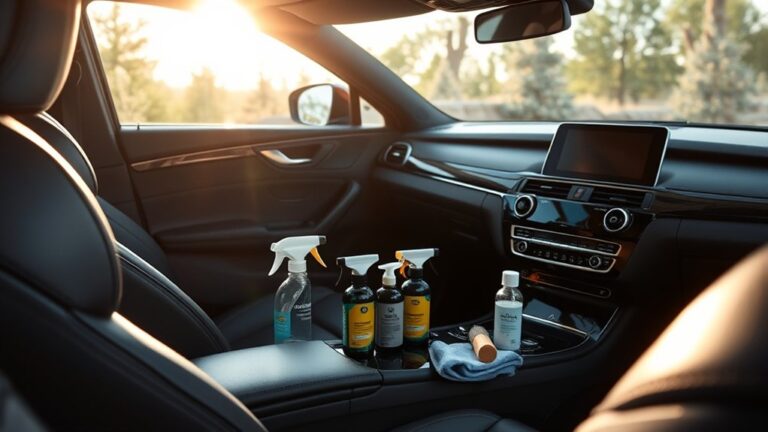
How You Can Safely Use All-Purpose Cleaner in Your Car
Many car owners want to keep their vehicles spotless but worry about the safety of cleaning products. You’re not alone—using the wrong cleaner can damage surfaces or even harm your health.
Luckily, with a little know-how, you can safely use all-purpose cleaner in your car and keep it looking great.
To safely use all-purpose cleaner in your car, first choose a product compatible with automotive surfaces and free of harsh chemicals. Always test it on a small hidden area first.
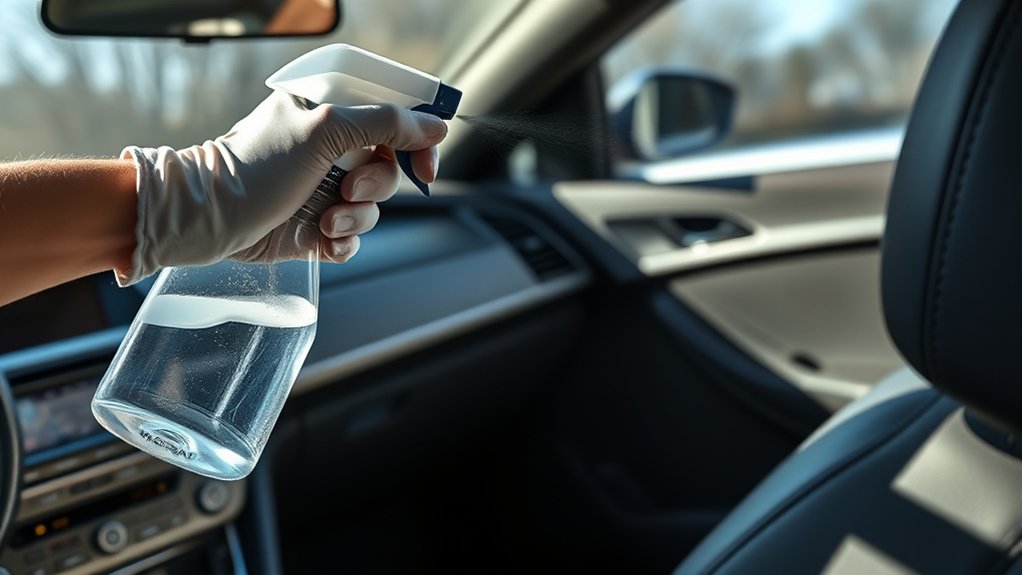
Wear gloves and guarantee proper ventilation during application. Use soft cloths on delicate surfaces and avoid soaking fabrics.
Rinse surfaces thoroughly and dry completely. Following these steps helps protect your vehicle and health.
Keep exploring for more tips to guarantee a safe and effective cleaning process.
Key Takeaways
- Always check the cleaner label to see if it’s safe for automotive surfaces before using it in your car.
- It’s a good idea to test the cleaner on a small, hidden spot first. That way, you can be sure it won’t cause any damage.
- Make sure to wear gloves, goggles, and a mask while cleaning. Good ventilation is also important to avoid inhaling fumes.
- Use soft cloths when cleaning delicate surfaces. Be careful not to oversaturate fabric seats or carpets.
- Follow the instructions provided by the manufacturer for the best results.
- Rinse the area thoroughly to prevent any residue buildup, which could lead to damage over time.
Why Safely Using All-Purpose Cleaners Matters for Your Car
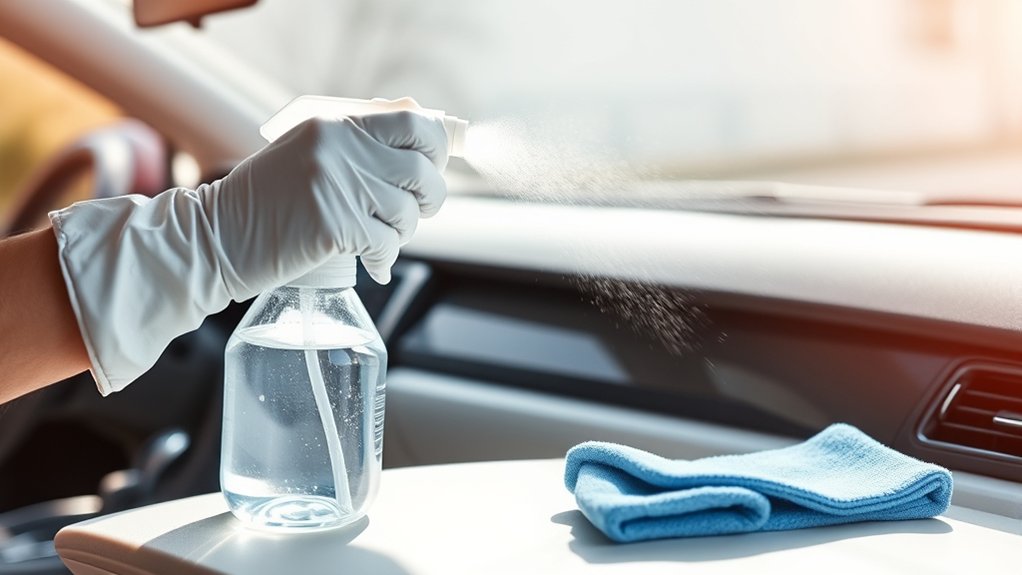
Using all-purpose cleaners safely in your car is really important because these products can have chemicals that might damage surfaces or cause health problems if you’re not careful. Many cleaners contain harsh ingredients like alcohol, ammonia, or acids that can discolor, corrode, or weaken interior materials like plastics, vinyl, or fabric.
Inhaling fumes or getting the cleaner on your skin can also cause irritation or allergic reactions. If you don’t use them properly, they might leave behind residues that attract dirt or cause bad odors.
Inhaling fumes or skin contact can cause irritation or allergies, and residues may attract dirt or bad odors.
To stay safe, read labels carefully, use cleaners in well-ventilated areas, and follow the instructions. Handling these products with care helps protect your vehicle’s interior and your health.
When used correctly, safe cleaning keeps your car looking good without risking damage or discomfort.
How to Choose the Best All-Purpose Cleaner for Your Vehicle
Wondering how to pick the right all-purpose cleaner for your vehicle? First, check the label for compatibility with automotive surfaces. Avoid cleaners with harsh chemicals that could damage your interior or paint.
Look for options that are specifically formulated for cars or are labeled as safe for multiple surfaces. Consider the cleaner’s versatility—can it handle upholstery, plastic, and glass? You’ll also want one that’s effective at cutting through grease and grime without requiring a lot of effort.
Read reviews to gauge how well it works and if users have experienced any issues. Finally, prioritize eco-friendly and non-toxic formulas for safety and environmental reasons.
Picking the right cleaner guarantees your car stays spotless without risking damage or exposure to harmful substances.
Getting Your Car Ready for a Safe Cleaning Session
Before you start cleaning, gather all the supplies you’ll need, like your cleaner, cloths, and brushes.
Make sure the area is free of clutter and loose items that could get in your way.
Taking these simple steps helps ensure your cleaning session is both safe and effective.
Gather Necessary Supplies
To start cleaning your car safely and effectively, gather all the necessary supplies beforehand. Having everything ready keeps the process smooth and minimizes mistakes.
First, grab a clean microfiber cloth or soft sponge for wiping surfaces. Next, pick up a spray bottle filled with your all-purpose cleaner.
You’ll also need a bucket of water for rinsing or diluting if needed. Don’t forget some gloves to protect your skin from harsh chemicals.
Finally, have a vacuum cleaner handy for removing loose dirt and debris before applying the cleaner.
With these supplies on hand, you’ll be prepared to clean thoroughly without interruptions, ensuring your car stays spotless and safe to use. Proper preparation makes the cleaning process efficient and effective.
Prepare the Cleaning Area
Start by parking your car in a shaded area to prevent cleaning products from drying too quickly and to keep the interior cool. This helps the cleaner work more effectively and prevents streaks or residue.
Before you begin, roll down the windows slightly to improve ventilation and reduce fumes. Remove any loose items, trash, or personal belongings from the interior to give you clear access.
Cover delicate electronics or dashboards with a cloth if you plan to spray nearby. Clear the seats and floor mats so you can reach all surfaces easily.
Having a clean, organized space will make your cleaning process smoother and safer. Taking these steps guarantees your car is prepared for a thorough, efficient, and safe cleaning session.
Safely Applying Cleaner on Different Car Surfaces
Applying your all-purpose cleaner safely requires understanding the different surfaces inside your car and how they react to cleaning agents. Some areas are delicate, while others tolerate stronger solutions. Always test a small, hidden spot first to prevent damage.
Use a soft cloth for fragile surfaces like dashboard plastics or leather. For harder surfaces, like door panels or cup holders, you can be more generous with your cleaner. Be cautious around electronics and screens, avoiding excess moisture.
Remember to avoid soaking fabric seats or carpets, as this can lead to mold. Test on a small area before full application. Use a soft cloth on delicate surfaces and avoid oversaturating electronic components.
Use less cleaner on fabric seats and carpets. Wipe down thoroughly and dry afterward for the best results.
Essential Safety Gear and Precautions for Car Cleaning
When cleaning your car, protecting yourself from potential hazards is just as important as safeguarding the vehicle’s interior. Wear gloves to prevent skin irritation from chemicals and goggles to shield your eyes from splashes. A mask can help avoid inhaling fumes, especially in enclosed spaces.
Make sure you’re working in a well-ventilated area to reduce inhalation risks. Use non-slip shoes to prevent accidents on wet surfaces. Keep all cleaning supplies out of children’s reach to avoid accidental ingestion or exposure.
Read labels carefully and follow manufacturer instructions to prevent misuse. Always wash your hands thoroughly after cleaning. By taking these precautions and using the right safety gear, you minimize health risks and make your cleaning process safer and more effective.
Preventing Surface Damage When Using All-Purpose Cleaners
To prevent surface damage while using all-purpose cleaners, it’s important to choose the right product for each material and follow the manufacturer’s instructions carefully. Different surfaces need different cleaning methods, so always check the labels.
Test the cleaner on a small, hidden area first to see if it causes any adverse reactions. Avoid using abrasive scrubbers that can scratch delicate surfaces. Never spray cleaner directly onto electronics or vents; instead, apply it to a cloth first.
Keep cleaning solutions diluted as instructed and don’t let them sit too long on surfaces. Here are some tips to protect your car’s surfaces:
- Use soft microfiber cloths instead of rough scrubbers
- Avoid high-pressure sprays on sensitive areas
- Follow recommended dwell time for cleaning solutions
- Rinse thoroughly after cleaning
- Regularly inspect for signs of damage
Rinsing and Drying Your Car Properly After Cleaning
After you finish cleaning your car, rinsing and drying it properly is key to avoiding streaks, water spots, and corrosion. Use a gentle stream of water to thoroughly rinse the surface, making sure all cleaner residue is gone.
Then, grab a microfiber towel or chamois to dry the car efficiently. Pat or gently wipe the surface, avoiding circular motions that can cause scratches.
To keep things smooth, follow this quick guide:
| Step | Technique | Purpose |
|---|---|---|
| Rinsing | Use a steady water stream | Remove cleaner residue |
| Drying | Pat with microfiber cloth | Prevent water spots |
| Focus Areas | Pay attention to edges | Avoid streaks and marks |
| Air Drying | Let remaining water evaporate | Minimize streaks |
| Final Check | Inspect for missed spots | Achieve a spotless finish |
Common Mistakes to Avoid When Cleaning Your Car
Avoid using harsh cleaners, as they can damage your car’s surfaces. Always follow the manufacturer’s guidelines to prevent accidental harm.
Don’t forget to test clean small areas first. This helps ensure the product won’t cause discoloration or scratches.
Using Harsh Cleaners
Using harsh cleaners on your car might seem like a quick fix, but it can do more harm than good. Strong chemicals can remove protective coatings, discolor surfaces, or even cause paint to peel.
Instead of using aggressive products to clean grime, you might end up damaging your vehicle’s finish or interior. Be careful and avoid:
- Bleach or ammonia-based cleaners
- Abrasive scrubbers or steel wool
- Industrial-strength degreasers
- Spraying high-concentration chemicals directly
- Ignoring the manufacturer’s cleaning advice
Always opt for gentle, car-specific products and test a small area first. This way, you can keep your car looking great without risking unnecessary damage or costly repairs.
Ignoring Manufacturer Guidelines
Ignoring the manufacturer’s cleaning guidelines can seriously damage your vehicle. Each car has specific instructions for cleaning products, methods, and even drying techniques.
Using the wrong cleaner or applying it improperly might cause paint discoloration, interior damage, or corrosion. Some manufacturers recommend avoiding certain chemicals on delicate surfaces or plastics.
Skipping these guidelines can void warranties or lead to costly repairs. Always review your owner’s manual before cleaning to find recommended products and procedures.
This way, you’ll use the right tools and avoid harmful substances. Respecting the manufacturer’s advice helps keep your car looking its best and working properly.
Ignoring these instructions puts your vehicle at unnecessary risk, so always follow the guidelines carefully.
Overlooking Test Spots
Have you ever started cleaning your car only to realize afterward that a stubborn stain or discoloration appeared? This often happens when you skip testing a small area first. Testing helps you see if the cleaner causes any damage or color change before applying it broadly.
Before cleaning, try a quick spot test on hidden or less visible areas. Use a clean cloth to dab a small amount of the cleaner and wait a few minutes. If there’s no discoloration or damage, you can proceed confidently.
- Test on inconspicuous areas first
- Use a soft cloth for testing
- Wait a few minutes before inspecting
- Avoid harsh scrubbing during testing
- Always follow the cleaner’s instructions
What to Do If You Experience Damage or Allergic Reactions?
If you notice any irritation, redness, or other allergic reactions after using the cleaner, act quickly. Rinse the affected area with plenty of water and remove yourself from further contact.
If symptoms continue or get worse, seek medical help right away. Avoid scratching or rubbing the area, as this can make irritation worse.
| Symptom | Recommended Action |
|---|---|
| Skin irritation or rash | Rinse with water, apply soothing lotion |
| Breathing problems | Move to fresh air, see a doctor |
| Swelling or hives | Seek emergency medical care |
| Eye irritation | Rinse eyes with water for 15 minutes |
| Severe reactions | Get emergency medical help |
Frequently Asked Questions
Can All-Purpose Cleaners Damage My Car’s Interior or Exterior Surfaces?
All-purpose cleaners can damage your car’s interior or exterior surfaces if not used properly. They might strip away protective coatings, cause discoloration, or degrade materials like plastic, leather, and paint.
To avoid damage, always check the product label for compatibility. Test a small area first and use the cleaner sparingly.
Dilute it as recommended and avoid prolonged contact. This will help keep your car’s surfaces safe and well-maintained.
Are All-Purpose Cleaners Safe for Use on Tinted Windows?
Yes, all-purpose cleaners can be safe for tinted windows if you pick the right one and use it the right way. Just stay away from harsh chemicals like ammonia and alcohol, since they can damage the tint film.
Spray the cleaner onto a soft cloth instead of directly on the glass, and gently wipe. This helps prevent any accidental damage to the tint.
How Often Should I Clean My Car With All-Purpose Cleaner?
You should clean your car with all-purpose cleaner every two to four weeks, depending on how often you drive and how dirty it gets.
Regular cleaning helps prevent dirt, grime, and stains from building up. Always test a small area first and follow the product instructions.
Be careful not to over-wet surfaces, and consider cleaning more often if your car is exposed to heavy dirt or spills. This keeps your vehicle looking its best.
Can All-Purpose Cleaner Be Used on Leather Seats Safely?
Think of your leather seats as delicate musical instruments. You wouldn’t want to damage their tone. All-purpose cleaner can be used safely if you pick a gentle formula and test it on a small spot first.
Avoid harsh scrubbing and always follow up with a leather conditioner. When you treat your seats carefully, you keep their softness and shine.
This helps your car look luxurious without risking any damage.
What Are the Best Methods to Test for Surface Compatibility?
You should do a patch test to check surface compatibility. First, pick a small, hidden spot, then apply a tiny amount of the cleaner.
Wait 24 hours to see if there’s any discoloration, peeling, or damage. If everything looks fine, it’s safe to go ahead and clean the larger area.
Always follow the cleaner’s instructions and rinse thoroughly afterward to prevent residue buildup or damage.
Conclusion
By following these safety tips, cleaning your car becomes a smooth ride rather than a bump in the road. Think of it like steering through a clear, sunny day—you’re in control, avoiding hazards, and keeping your vehicle shining.
When you choose the right all-purpose cleaner, prep properly, and take safety precautions, it’s like having a trusted co-pilot. Your efforts will be safer and more effective.
Ultimately, a gleaming finish from using all-purpose cleaner safely is the pleasant surprise that makes all your careful efforts worthwhile.