How to Use 70 Second Outdoor Cleaner Safely on Cars
Many car owners know the struggle of keeping their vehicles spotless without spending hours or risking damage. You’re not alone—finding the right cleaner that’s effective and safe can be tricky.
That’s why 70 Second Outdoor Cleaner is gaining popularity as a quick and safe solution.
To safely use 70 Second Outdoor Cleaner on your car, wear gloves, goggles, and a mask to protect yourself. Read the instructions carefully and avoid mixing it with other products.
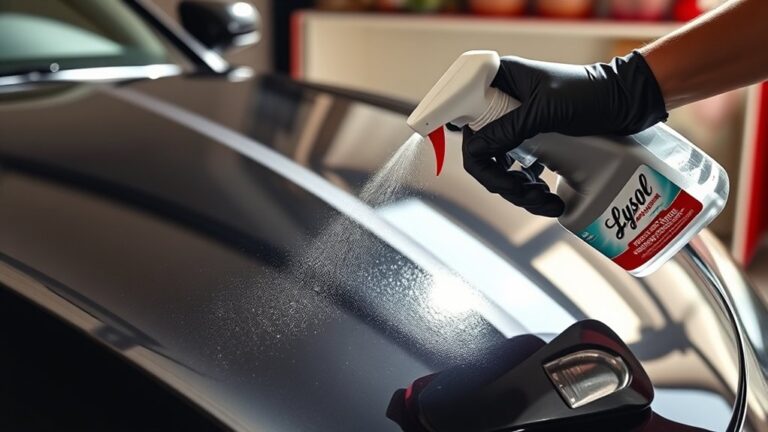
Before applying, rinse your car thoroughly and park it in a shaded area. Spray the cleaner evenly from top to bottom, then wait about 70 seconds before rinsing with gentle water.
For more tips on achieving a streak-free finish and tackling stubborn stains, keep exploring the details.
Key Takeaways
- Always wear gloves, goggles, and a mask to protect yourself during application.
- Make sure to read and follow the manufacturer’s instructions carefully before using the cleaner.
- Dilute the cleaner properly and spray evenly from top to bottom, keeping a safe distance from the car.
- Rinse thoroughly with a gentle stream of water to remove all residue and prevent streaks.
- Keep children and pets away from the cleaning area to stay safe while cleaning.
Why Safety Comes First When Cleaning Your Car Outdoors
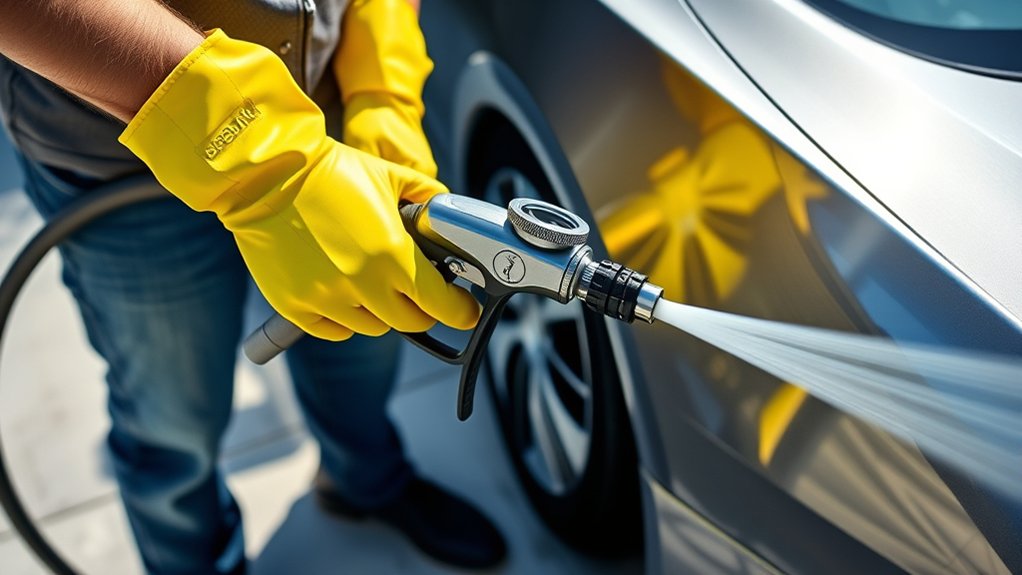
Cleaning your car outdoors might seem straightforward, but safety should always be your top priority. You’re working with chemicals that can be harmful if mishandled or misused. Protect your skin, eyes, and respiratory system by wearing gloves, goggles, and a mask if necessary.
Always read the instructions on the cleaner’s label before use. Never mix different cleaning products, as dangerous fumes can result. Be mindful of your surroundings—avoid cleaning in windy conditions to prevent chemicals from drifting into your eyes or mouth.
Keep children and pets away from the area to prevent accidental exposure. Taking these precautions not only keeps you safe but also guarantees your cleaning process is effective and trouble-free. Safety always comes first when caring for your vehicle outdoors.
How the 70 Second Outdoor Cleaner Works for Car Cleaning
The 70 Second Outdoor Cleaner is designed to make your car cleaning quick and effective. It uses a powerful formula that breaks down dirt, grime, and environmental residues on your vehicle’s surface.
When you spray it on, the cleaner quickly penetrates the contaminants, loosening them from the paint and surfaces. It targets stubborn stains, tree sap, bird droppings, and road grime, making them easier to wash away.
You don’t need to scrub hard; the cleaner does most of the work for you. After applying, just rinse your car with water, and the dirt rinses off effortlessly.
This fast-acting formula saves you time while leaving your car clean, shiny, and protected.
Prepare Your Car and Environment Before You Start
Before you start spraying the outdoor cleaner, it’s important to prepare your car and the surrounding environment.
Park your vehicle in a shaded area to prevent the cleaner from drying too quickly or causing streaks. Remove any loose debris, like leaves or dirt, from the surface with a soft brush or cloth.
Park in shade and clear loose debris for a streak-free, effective car cleaning.
Make sure all windows and doors are closed securely so water or cleaner doesn’t seep inside. Cover sensitive areas like the engine bay, air intake, and electrical components with plastic sheets or towels.
Clear the area around your car of obstacles, tools, or anything that could interfere with the cleaning process. Taking these steps helps ensure an effective, safe clean while protecting your vehicle and the environment.
Choose the Right Safety Gear for Safe Outdoor Cleaning
Equipping yourself with the right safety gear is key to protecting your skin, eyes, and respiratory system during outdoor car cleaning. Wear chemical-resistant gloves to prevent skin irritation from the cleaner.
Safety goggles or a face shield are essential to shield your eyes from splashes or fumes. A mask or respirator helps avoid inhaling any harmful vapors, especially in enclosed or windy areas.
Long sleeves and pants provide an extra barrier against splashes and contact with the cleaner. Consider wearing waterproof boots to keep your feet dry and safe from spills.
Always check your safety gear for damage before starting, and verify everything fits properly. Proper protective equipment keeps you safe and allows you to clean confidently without risking your health.
How to Dilute and Apply the Cleaner Correctly
To guarantee effective cleaning and prevent damage to your vehicle, it’s essential to dilute the outdoor cleaner properly before applying it. Follow the manufacturer’s instructions for the correct ratio of cleaner to water, usually found on the label.
Proper dilution of outdoor cleaner ensures safe, effective vehicle cleaning without damaging your paint.
Use a clean bucket or sprayer to mix the solution thoroughly. Before applying, verify your car is cool and in the shade to avoid streaks or spots.
Spray the diluted cleaner evenly across the vehicle’s surface, starting from the top and working downward. Let it sit for the recommended time, usually around 70 seconds, so it loosens dirt and grime.
Avoid over-concentrating the cleaner, as it can harm your paint. Proper dilution and careful application help guarantee a safe, effective clean without risking damage.
Keep a Safe Distance for Effective and Safe Application
Maintaining a safe distance while applying outdoor cleaner helps you avoid splashes or overspray that could damage your vehicle or nearby surfaces. Staying back also gives you better control over the spray, making sure the coverage is even without overdoing it.
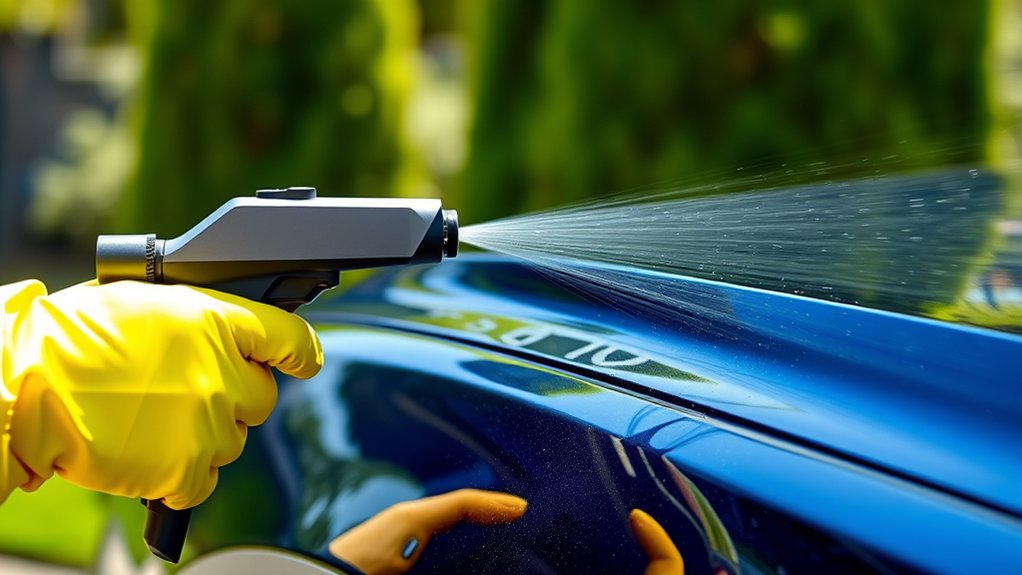
To do this effectively, keep the nozzle about 6–8 inches from the car’s surface. Move the nozzle in smooth, sweeping motions to prevent concentrated spots. Stay a few feet away from delicate parts like side mirrors or trim to avoid accidental damage.
Avoid Common Mistakes When Using Outdoor Cleaners on Cars
Many car owners make simple mistakes that can damage their vehicle or reduce cleaning effectiveness. One common mistake is using a cleaner at the wrong time—either too hot or too cold—leading to streaks or paint damage.
Another error is applying too much cleaner, which wastes product and can leave residues. You should also avoid scrubbing aggressively, as this can scratch the paint.
Additionally, not rinsing thoroughly can cause streaks and residue buildup. And ignoring label instructions may result in ineffective cleaning or even damage to your car.
Effective Rinsing Tips to Finish Your Car Cleaning
A thorough rinse is key to making sure your car is free of leftover soap, dirt, and cleaner residues. It helps your vehicle look its best and prevents streaks or spots.
Use a gentle, steady stream of water to rinse from the top down, covering all surfaces evenly. This way, you avoid missed spots and ensure a complete clean.
Use a gentle, steady stream of water from top to bottom for a thorough, even rinse.
Pay extra attention to crevices, wheel wells, and door jambs to remove trapped dirt that can be tough to reach. These spots often hide grime that can cause scratches if not rinsed properly.
Rinse until the water sheets off smoothly, which means there’s no remaining residue. Take your time to do this thoroughly, so your car looks spotless and professional.
Protect Sensitive Car Parts During Outdoor Cleaning
When cleaning your car outdoors, it’s important to protect sensitive parts like electrical components, sensors, and rubber seals from damage. Use a gentle spray and avoid direct contact with high-pressure water on these areas.
Cover or shield delicate components with plastic or cloth if you can. Be especially careful around sensors and wiring because water intrusion can cause malfunctions.
| Part | Precaution | Reason |
|---|---|---|
| Electrical systems | Cover with plastic bags | Prevent shorts and corrosion |
| Sensors | Avoid direct spray | Keep accuracy intact |
| Rubber seals | Use a soft cloth or sponge | Prevent tearing or cracking |
| Wiring harnesses | Shield with tape or plastic wrap | Avoid water damage |
Achieving an Even, Spotless Finish on Your Vehicle
Achieving an even, spotless finish on your vehicle starts with thorough preparation and proper technique. Begin by rinsing the car with water to remove loose dirt and debris. This helps prevent scratching during cleaning.
Next, apply the outdoor cleaner evenly using a foam cannon or sponge, working in sections to guarantee complete coverage. Always use a soft brush or microfiber cloth for delicate areas like windows and trim.
To improve the finish, rinse off the cleaner thoroughly before it dries. Use a microfiber towel for drying, gently blotting to prevent streaks. Afterward, apply a wax or sealant for added shine and protection.
Following these steps ensures a smooth, streak-free, and spotless look on your vehicle.
Troubleshooting Tough Stains and Residue After Cleaning
Sometimes, stubborn stains or residue can stick around even after cleaning. You can try specific techniques to remove these persistent marks effectively.
Prevent future buildup by following simple residue prevention tips. This will help keep your car looking its best and make cleaning easier next time.
Removing Persistent Stains
Persistent stains and residue can be really frustrating, even after you’ve given your car a good clean. To get rid of them effectively, start by figuring out what type of stain you’re dealing with—bird droppings, tree sap, or tough road grime.
Next, apply a specialized stain remover or a gentle soap and water mixture directly onto the stain. Let it sit for a few minutes so it can work its magic.
Then, use a soft-bristled brush or a microfiber cloth to gently scrub the area, working from the edges inward. Be patient and gentle to avoid damaging the surface.
After scrubbing, rinse thoroughly with clean water to wash away all the cleaning agents. Make sure no residue is left behind.
If the stain still won’t budge, repeat the process or consider bringing your car to a professional for detailing. Patience and proper technique are key to restoring your car’s finish.
Residue Prevention Tips
To prevent leftover residue and tough stains after cleaning, it’s important to use the right techniques and products from the start. Always rinse your car thoroughly with water before applying the cleaner to loosen dirt and grime.
Use a soft brush or microfiber cloth to gently scrub, avoiding aggressive scrubbing that can leave streaks. When applying the 70 Second Outdoor Cleaner, follow the instructions carefully and don’t let it dry on the surface.
After cleaning, rinse the car thoroughly to remove all residue. If you notice any remaining spots or streaks, re-rinse or gently wipe with a clean, damp cloth.
Proper rinsing and gentle handling are key to preventing residue buildup. This helps keep your car clean and streak-free after each wash.
Frequently Asked Questions
Can I Use 70 Second Outdoor Cleaner on All Car Paint Types?
Yes, you can use 70 Second Outdoor Cleaner on most car paint types, but it’s a good idea to check your vehicle’s specific finish first.
Test it on a small, hidden area to see if it causes any damage or discoloration.
Follow the instructions carefully, apply it evenly, and rinse thoroughly.
If your car has delicate or special paint, consider talking to your manufacturer or a professional before using it.
How Long Should I Wait Between Cleaning Sessions?
You should wait at least a week between cleaning sessions to protect your car’s paint.
This break allows the paint to breathe and helps prevent buildup. It also makes sure the cleaner works effectively without causing any damage.
Check your vehicle regularly for dirt or grime, and adjust your cleaning schedule if needed.
Giving your car some time in between washes helps keep that glossy finish, safeguards the paint, and keeps your vehicle looking its best.
Is It Safe to Use Near Plants or Wildlife?
It’s not safe to use 70 Second Outdoor Cleaner directly near plants or wildlife. You should avoid spraying it on or near vegetation because it might harm them.
If you need to clean close to plants, rinse the area thoroughly with water right after to dilute any residue. Always follow the instructions carefully, and consider covering plants or wildlife areas before applying the cleaner to minimize the risk.
Can I Apply the Cleaner in Direct Sunlight?
You can apply the cleaner in direct sunlight, but it’s best to do so early or late in the day when the sun isn’t too intense.
Imagine a car owner in summer, applying the cleaner at 10 a.m., only to find it evaporates too quickly, reducing its effectiveness.
Applying during cooler, less sunny periods ensures the cleaner works thoroughly, giving your car a spotless finish without risking damage or waste.
How Should I Store Leftover Outdoor Cleaner Safely?
You should store leftover outdoor cleaner in its original, tightly sealed container. Keep it in a cool, dry place away from direct sunlight and children.
Make sure the container is clearly labeled, and avoid storing it near food or drinks. Check the manufacturer’s instructions for any specific storage recommendations.
Proper storage prevents leaks and accidental contact, and it helps keep the cleaner effective for future use.
Conclusion
Remember, safety starts with preparation, patience, and proper equipment. Always protect your vehicle, yourself, and the environment. Follow the instructions carefully, dilute the cleaner correctly, and rinse thoroughly.
Be attentive to delicate areas and stubborn stains. With the right approach, you’ll achieve a clean, shiny car that looks great and lasts longer.
Stay cautious, stay consistent, and enjoy the satisfaction of a job well done. Use the 70 Second Outdoor Cleaner safely for the best results—effectively, beautifully, and with peace of mind.