Can I Use Wheel Cleaner on Car Paint?
Many car owners struggle with keeping their vehicle looking its best without causing damage. You want that perfect shine, but fear that using the wrong products might harm your paint. You’re not alone—finding safe and effective cleaning methods can be confusing.
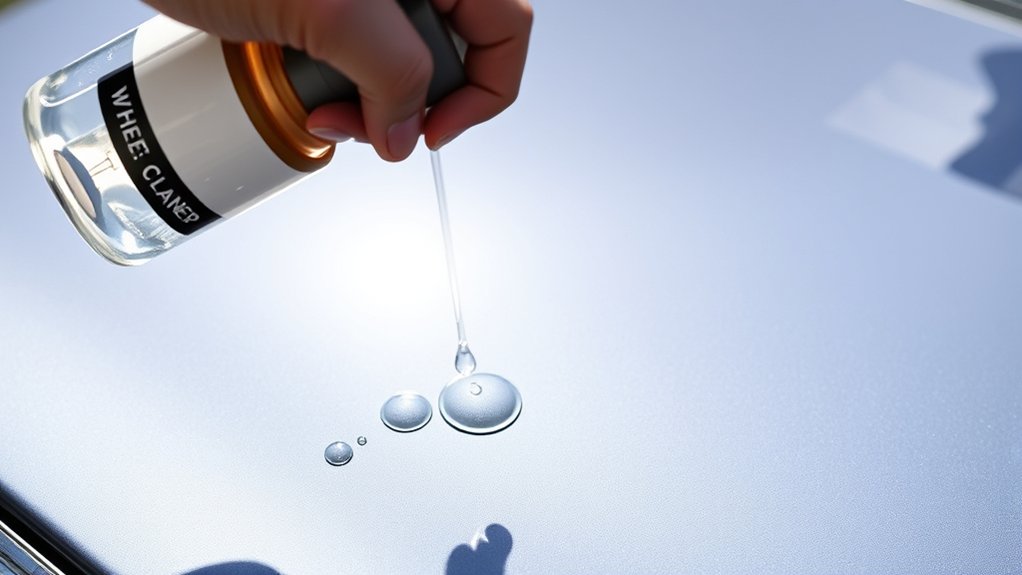
Can I use wheel cleaner on car paint? The short answer is no. You should avoid using wheel cleaner on your car’s paint because it contains strong chemicals designed for wheels, which can strip protective coatings, cause discoloration, or even damage the clear coat.
These cleaners often have acids or alkaline agents that aren’t safe for painted surfaces.
If you want to keep your car looking its best, learn about safe cleaning methods and the signs of potential damage so you can protect your vehicle effectively.
Key Takeaways
- Wheel cleaners are harsh chemicals not designed for painted surfaces and may cause damage or discoloration.
- Use only products labeled safe for paint to avoid micro-scratches, peeling, or etching of the clear coat.
- Regular cleaning with pH-balanced car shampoos is safer and helps prevent buildup without risking paint damage.
- Signs of paint damage include bubbling, scratches, fading, or stains. If you notice any of these, it might be best to get it checked out by a professional.
- It’s best to avoid using wheel cleaner on your car’s paint altogether. Instead, opt for gentle, paint-specific cleaners and proper cleaning techniques.
Is It Safe to Use Wheel Cleaner on My Car’s Paint?
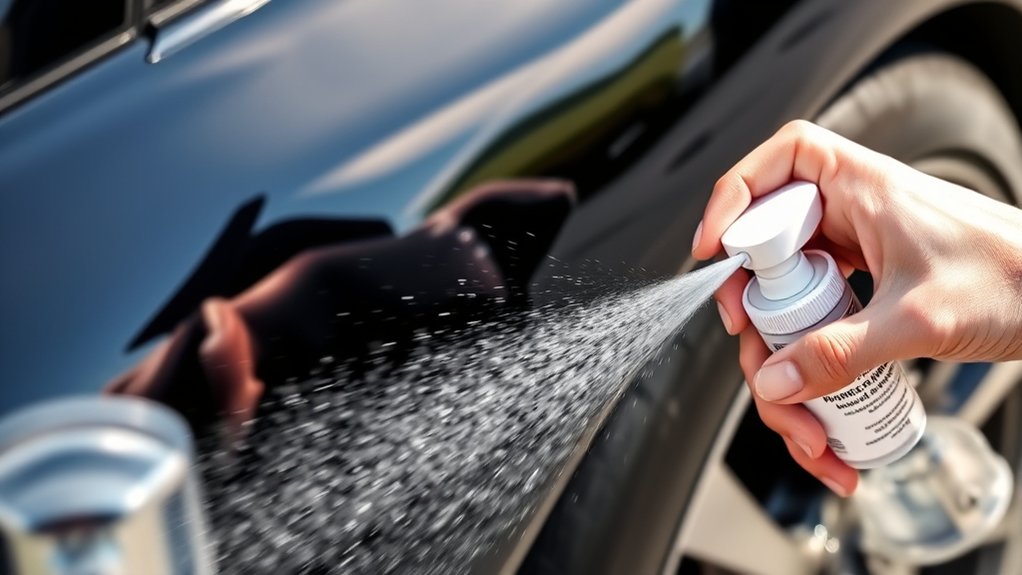
Is it safe to use wheel cleaner on your car’s paint? Generally, it’s not recommended. Wheel cleaners are designed to break down brake dust, grease, and grime on wheels, which means they often contain strong chemicals.
These chemicals can be too harsh for your car’s paint, especially if they’re not specifically made for automotive use. Using the wrong cleaner could strip away protective coatings, cause discoloration, or even create micro-scratches.
If you do want to use a wheel cleaner on your paint, make sure it’s labeled safe for paint surfaces. Always test a small, hidden area first, and rinse thoroughly to reduce the risk of damage.
To keep your car looking its best, it’s better to use products made specifically for paint and bodywork.
What Is Wheel Cleaner and How Does It Work?
Wheel cleaner is a specialized product made to clean your vehicle’s wheels by removing brake dust, dirt, grease, and grime. It works by breaking down tough contaminants with chemical reactions.
Most wheel cleaners contain acids or alkaline agents that effectively dissolve brake dust and dirt. When you spray it onto the wheels, these chemicals loosen the grime and lift it away from the surface.
Some formulas foam up, which helps lift debris from tight areas and hard-to-reach spots. After letting the cleaner sit for a few moments, you usually rinse it off with water.
The active ingredients target and dissolve the grime without damaging the wheel’s surface. Just make sure to choose the right cleaner for your wheel type and follow the instructions carefully to avoid any potential damage.
How Do Wheel Cleaners Differ From Car Paint Cleaners?
While wheel cleaners are made to tackle tough grime and brake dust, paint cleaners focus on gently removing dirt, oxidation, and surface contaminants from your vehicle’s finish.
Wheel cleaners are usually stronger, often acidic or alkaline, to break down stubborn brake dust, grease, and road grime. They work quickly and deeply on metal surfaces, which can handle harsher chemicals.
In contrast, paint cleaners are milder, designed to protect your car’s clear coat while removing light dirt, oxidation, and embedded contaminants. They help restore shine without damaging the paint.
Using wheel cleaner on paint can cause damage or dullness because of its aggressive formulation. Knowing these differences helps you pick the right product for each surface and keep your vehicle in top shape.
What Are the Risks of Using Wheel Cleaner on Paint?
Using wheel cleaner on paint can be pretty risky because these products are much harsher than what your car’s finish can handle. The chemicals in wheel cleaners can cause serious damage like peeling, discoloration, or dullness.
You might also see corrosion or etching of the clear coat, color fading or staining, and a loss of gloss or shine. Micro-scratches or swirl marks can also develop, making your paint look worse over time.
Long-term, using wheel cleaner on your car’s paint can lead to degradation of the surface, which can be costly to fix or require repainting. Even if it cleans wheels well, it’s not made for painted surfaces and shouldn’t be used there.
To protect your car’s appearance, avoid using harsh chemicals like wheel cleaner on the paint. Stick to products designed specifically for your car’s finish to keep it looking great.
How to Use Wheel Cleaner Safely on Your Car
To safely use wheel cleaner on your car, always start by parking in a shaded area and making sure the vehicle is cool to the touch. This helps prevent the cleaner from drying too quickly, which can cause streaks or spots.
Park in shade and ensure your car is cool to prevent streaks when using wheel cleaner.
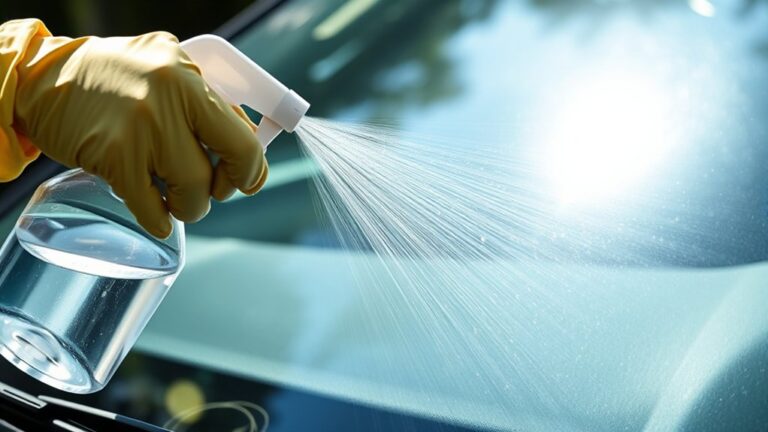
Wear gloves to protect your skin, and use a spray bottle or foam applicator to apply the cleaner directly to the wheels. Let it sit for a few minutes, but don’t let it dry out.
Use a soft-bristled brush or sponge to gently scrub away brake dust and grime. Rinse thoroughly with water to remove all residue.
Always follow the manufacturer’s instructions for the specific cleaner you’re using. Regularly inspect your tools and avoid applying too much pressure to prevent scratching the paint or wheel surface.
Alternatives to Wheel Cleaner for Protecting Your Paint
Instead of harsh wheel cleaners, try gentle cleaning products that protect your paint. Regular washing with the right techniques helps keep dirt from building up and means you won’t need strong chemicals as often.
Applying a protective wax forms a barrier that shields your paint from contaminants and potential damage. This simple step can go a long way in maintaining your car’s finish and keeping it looking great.
Gentle Cleaning Products
While harsh wheel cleaners can damage your car’s paint, opting for gentle cleaning products provides a safer alternative. These products clean effectively without stripping wax or harming the finish.
Look for pH-balanced car shampoos, mild soap solutions, or specially formulated paint-safe cleaners. They usually contain fewer abrasives and harsh chemicals, which helps prevent scratches or discoloration.
Using gentle products encourages regular cleaning without worrying about damage. Plus, they’re often eco-friendly and safe for your skin.
When choosing a gentle cleaner, consider options like pH-balanced car shampoos, microfiber cloths, and soft sponges. Waterless wash products and diluted dish soap are also good choices in moderation.
All-purpose cleaners labeled safe for paint can be helpful too. These options keep your car looking its best while maintaining safety and care.
Regular Washing Practices
Regular washing practices are key to protecting your car’s paint, especially when you opt for gentler wheel cleaners. Using proper techniques helps reduce the chance of scratches and damage.
Start with a gentle, pH-balanced car shampoo and wash in straight lines to avoid swirl marks. Be sure to rinse thoroughly before applying soap to remove loose dirt.
Dry your car with a soft microfiber cloth to prevent water spots. Regular washing removes contaminants that can corrode your paint over time. Here’s a quick guide:
| Step | Purpose |
|---|---|
| Pre-rinse | Loosen dirt and debris |
| Use quality shampoo | Clean without abrasion |
| Gentle scrubbing | Avoid scratching |
| Rinse thoroughly | Remove all soap |
| Dry completely | Prevent water spots |
Consistent, careful washing keeps your paint looking fresh and new.
Protective Wax Applications
After cleaning your car thoroughly, applying a protective wax creates a lasting barrier that shields your paint from dirt, UV rays, and environmental contaminants. Waxing improves your vehicle’s shine and helps preserve the paint’s integrity over time. It’s a simple step that can greatly extend the life of your finish.
Regular waxing prevents oxidation, reduces minor scratches, and makes future cleaning easier. You can choose from traditional paste waxes, liquid waxes, or spray-on formulas based on your preference and skill level. Remember, applying wax in a shaded area and buffing it out with a clean microfiber cloth yields the best results.
Waxing not only enhances the shine and depth of color but also provides a hydrophobic barrier against water. It protects your car against UV-induced fading and makes dirt and grime easier to remove. Plus, a good wax job can significantly extend the longevity of your paint.
Signs Your Car’s Paint Has Been Damaged
You’ll notice your car’s paint has been damaged when you see dull, faded spots that stand out against the rest of the surface. These areas may feel rough or chalky, which indicates oxidation or clear coat damage.
You might also see bubbling or peeling paint, suggesting there are deeper issues beneath the surface. Scratches or swirl marks that don’t polish out easily are signs of damage from improper cleaning or abrasive products.
Fading color or uneven patches can point to chemical damage or sun exposure weakening the paint. Water spots that won’t wash away or rust spots near chipped paint indicate compromised protection.
Recognizing these signs early helps prevent further damage and saves you from costly repairs down the line.
Tips for Protecting Your Car’s Paint During Cleaning
To protect your car’s paint during cleaning, use gentle, car-specific products that won’t cause damage.
Avoid harsh cleaners and abrasive materials that can scratch or dull the surface.
Use Proper Cleaning Products
Choosing the right cleaning products is essential for protecting your car’s paint during washing. Using gentle, pH-balanced cleaners designed specifically for cars helps prevent damage and keeps the paint looking fresh. Avoid household detergents or dish soaps, which can strip protective coatings. Look for products labeled as safe for automotive finishes, and always follow the manufacturer’s instructions.
Here are some tips to choose proper cleaning products:
- Use car-specific shampoos and cleaners
- Avoid acidic or alkaline cleaners
- Choose pH-balanced formulas
- Select products free from harsh chemicals
- Use microfiber or soft cloths with gentle cleaners
Sticking to proper cleaning products guarantees your car’s paint stays shiny and protected, reducing the risk of scratches and dullness over time.
Avoid Harsh Scrubbing
Harsh scrubbing can easily damage your car’s delicate paint, so it’s important to be gentle during cleaning. Instead of using abrasive sponges or stiff brushes, choose soft microfiber cloths or foam applicators. Light pressure is key because scrubbing too hard can cause scratches or remove the clear coat.
When you encounter stubborn dirt or grime, let a quality cleaner sit for a few moments to loosen debris before wiping. Never use harsh scrubbers or metal brushes, as they can gouge or dull the paint. Also, avoid scrubbing in circular motions that can create swirl marks.
Take your time and be patient. Gentle, consistent cleaning helps preserve your car’s finish and keeps it looking flawless longer.
Common Mistakes to Avoid When Cleaning Wheels and Paint
Even experienced car owners can make mistakes when cleaning wheels and paint, which can lead to damage or a dull finish. One common error is using the wrong cleaning products that are too harsh, causing paint or wheel finishes to fade.
Even seasoned car owners risk damage by using harsh cleaning products on wheels and paint.
Another mistake is neglecting to rinse thoroughly before applying cleaners, trapping dirt and scratching surfaces. Using abrasive tools like steel wool or rough brushes can also leave scratches.
Cleaning in direct sunlight can cause cleaners to dry too quickly, leaving streaks or spots. Finally, skipping regular maintenance allows grime to build up, making cleaning more aggressive and risky.
To avoid these pitfalls, use pH-balanced cleaners, rinse thoroughly before applying soap, and choose soft, microfiber cloths.
Clean in shade or cool conditions, and avoid harsh scrubbing or abrasive tools.
When to Seek Professional Car Detailing Help
If you notice visible paint damage, persistent stains, or scratches that won’t come out, it’s time to see a professional.
When you’re unsure about the right cleaning methods or worried about causing more harm, experts can help prevent costly mistakes.
Recognizing these signs early ensures your car gets the proper care it needs.
Visible Paint Damage
When you notice persistent scratches, dull spots, or uneven paint after cleaning, it’s a clear sign that your car’s paint may be damaged. Ignoring these signs can lead to more deterioration and costly repairs.
You should seek professional help if you observe:
- Visible paint peeling or chipping
- Deep scratches that don’t polish out
- Fading or discoloration
- Cracks or bubbling in the paint
- Areas with a rough texture or inconsistent gloss
These issues indicate underlying problems that DIY methods won’t fix. A professional can assess the damage accurately and recommend proper repairs or repainting.
Addressing visible paint damage early can save you money and help maintain your car’s appearance and value over time.
Persistent Stains or Scratches
Persistent stains or scratches that resist regular cleaning and polishing are clear signs that professional car detailing may be necessary. These marks won’t fade with simple washes, and trying to fix them yourself could make things worse.
When you notice deep scratches or stubborn stains that just won’t come out, it’s time to call in the experts. Think of your car’s surface like a canvas—some imperfections need special tools and techniques to fix properly.
| Surface Condition | What It Means |
|---|---|
| Light scratches | Might be buffed out with professional polishing |
| Deep scratches | Require specialized repair techniques |
| Stubborn stains | Need advanced cleaning methods |
| Visible paint damage | Needs expert assessment and treatment |
Uncertain Cleaning Methods
Sometimes, trying to clean stubborn stains or deep scratches on your own can make things worse or waste your time with methods that don’t work. If you’re unsure about which cleaning products to use or how to apply them properly, it might be time to call in a professional.
Using the wrong technique can strip your paint, create uneven finishes, or even cause new scratches. If you notice persistent stains that won’t come off, deep scratches that seem to get worse, or unusual paint discoloration, consider getting expert help.
Multiple failed DIY attempts or uncertainty about which cleaning products are safe are good signs you should seek professional advice. Car detailers have the right tools and experience to handle delicate surfaces safely.
Trusting their expertise can save you money and help preserve your car’s paint. When in doubt, it’s better to rely on a professional rather than risking more damage with improper cleaning methods.
Frequently Asked Questions
Can Wheel Cleaner Damage Clear Coat or Paint Finish?
Yes, wheel cleaner can damage your clear coat or paint finish if it’s too harsh or left on too long.
You should always choose a wheel cleaner formulated for automotive paint and follow the instructions carefully.
Test it on a small, hidden area first. Rinse thoroughly after cleaning, and avoid using it on hot surfaces.
Proper application prevents damage and keeps your car’s paint looking great.
Are There Specific Wheel Cleaners Safe for All Car Paint Types?
Yes, there are wheel cleaners that are safe for all car paint types. Look for products labeled as safe for painted surfaces, non-acidic, and pH-balanced.
These cleaners help protect your paint, preserve your finish, and keep your car looking great. Always read the labels carefully, test on small areas first, and follow the manufacturer’s instructions.
Choosing the right product means you can safeguard your paint, improve your car’s appearance, and extend its lifespan.
How Long Should I Wait After Using Wheel Cleaner Before Washing the Car?
You should wait at least five minutes after applying wheel cleaner before washing your car. This gives the cleaner time to loosen dirt and brake dust effectively.
But don’t let it dry completely, as that can make it harder to remove and might damage your paint. Keep an eye on the product instructions, and if you’re unsure, rinsing sooner is always safer to protect your vehicle’s finish.
Can Using Wheel Cleaner Cause Paint Discoloration or Fading?
Yes, using wheel cleaner can cause paint discoloration or fading, even if it’s tempting to believe it’s only for wheels. The irony? You might think protecting your wheels keeps your car looking sharp, but harsh chemicals can damage your paint’s finish.
Always read labels carefully and avoid aggressive cleaners near your car’s surface. A gentle, appropriate wash helps preserve your car’s color and keeps it looking stunning longer.
Is It Better to Use a Dedicated Paint Cleaner Instead of Wheel Cleaner?
It’s better to use a dedicated paint cleaner rather than wheel cleaner on your car’s paint.
Wheel cleaners often have strong chemicals designed to break down brake dust and grime, which can hurt your paint if used directly.
A paint-specific cleaner is made to gently remove dirt and contaminants without damaging the finish.
This way, you help preserve your car’s gloss, color, and overall look, keeping it looking its best.
Conclusion
Remember, your car’s paint is like a delicate shield—sometimes, less is more. Using wheel cleaner on your paint can cause damage if you’re not careful, so always proceed with caution.
When in doubt, consult professionals or stick to products designed specifically for car paint. It’s better to be safe than sorry.
After all, a stitch in time saves nine. Taking proper care now keeps your car looking great longer.
Protect your investment and enjoy the road ahead. Be mindful when using wheel cleaner on your car paint to keep it looking its best.