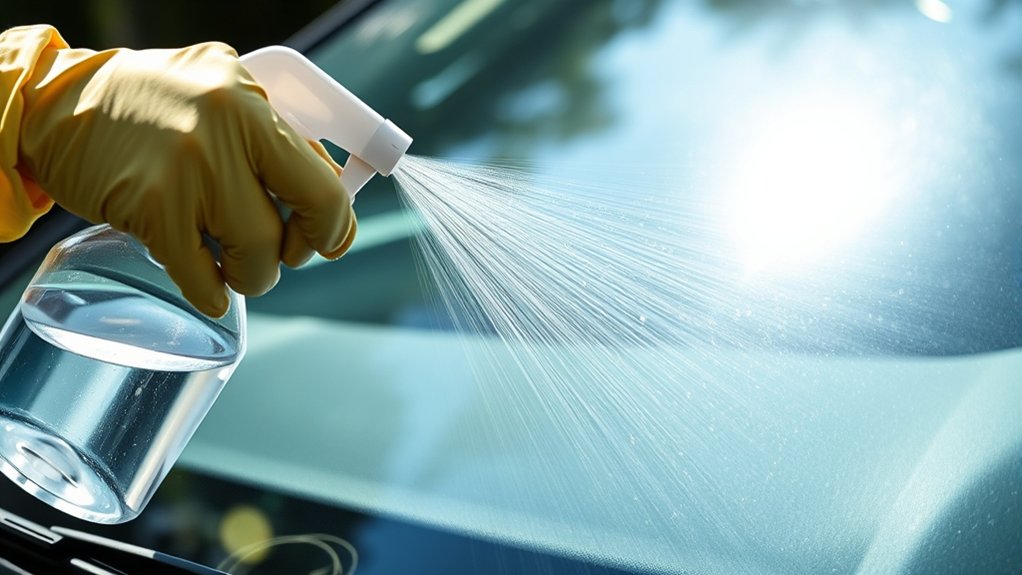
How to Clean My Car Using Glass Cleaner Safely
If you’ve ever struggled with streaky, cloudy windows after cleaning your car, you’re not alone. Many people find it tricky to get their windows crystal clear without damaging the glass or leaving streaks.
To clean your car’s windows safely with glass cleaner, park in a shaded area to prevent streaks and gather quality, ammonia-free cleaner along with microfiber cloths.
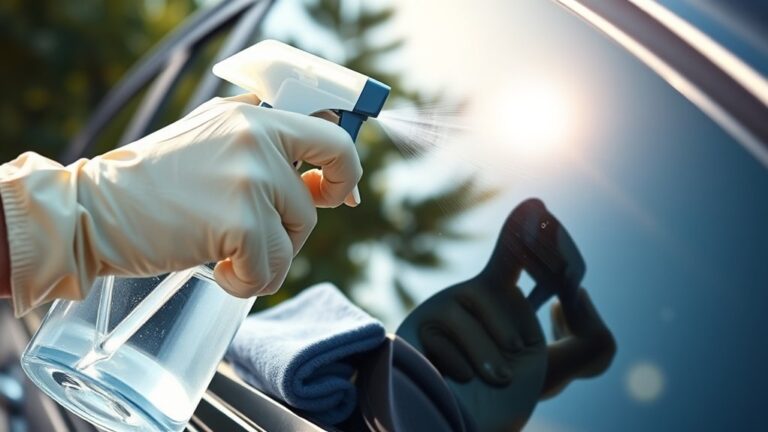
Spray the cleaner onto a cloth, not directly onto the glass, and gently wipe in circular motions. Avoid using harsh materials or oversaturating surfaces to prevent damage.
For best results and more tips, continue exploring effective methods to keep your car spotless.
Key Takeaways
- Always spray glass cleaner onto a microfiber cloth, not directly onto the car surfaces. This helps prevent overspray and ensures a more controlled application.
- Use gentle, circular motions to wipe the glass, avoiding excessive pressure. This prevents scratching and streaking.
- Choose ammonia-free, automotive-specific glass cleaners. They’re less likely to damage your car’s surfaces or leave behind residue.
- It’s best to clean your windows in a shaded area. Quick drying in the sun can cause annoying streaks.
- Before cleaning the entire window, test the cleaner on a small, hidden area first. This way, you can make sure it’s safe for your car’s surfaces.
How to Safely Clean Your Car Windows With Glass Cleaner
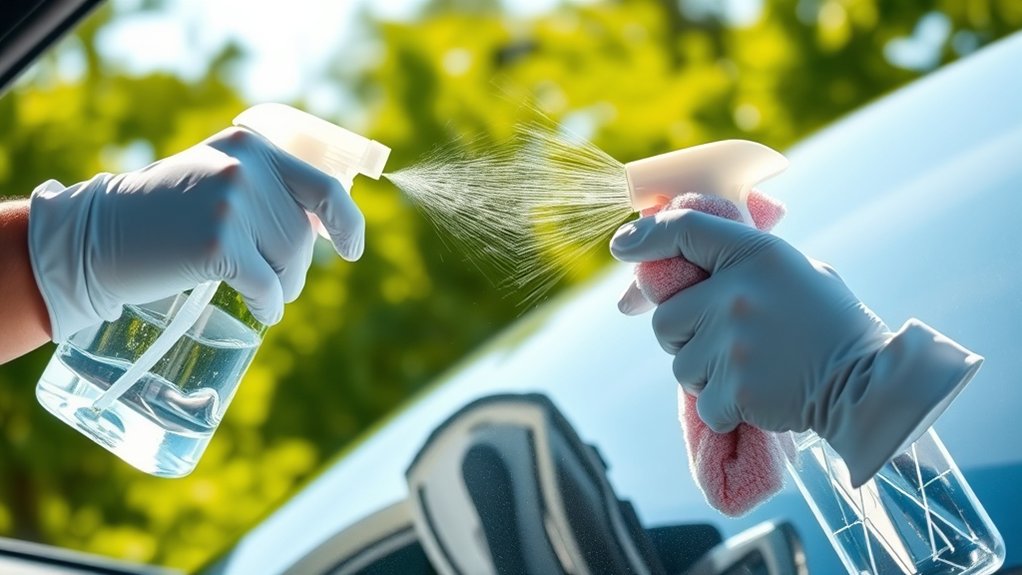
Cleaning your car windows with glass cleaner is straightforward, but taking the right precautions guarantees you do it safely. First, park your car in a shaded area to prevent the cleaner from drying too quickly, which can cause streaks.
Shake the glass cleaner well before use, and spray it evenly onto the windows. Use a clean, soft microfiber cloth or paper towel to wipe the glass in a circular motion, avoiding excessive pressure.
Make sure to clean the edges and corners thoroughly. Afterward, buff the windows with a dry cloth to remove any streaks.
Keep the cleaner away from your eyes and skin, and avoid inhaling fumes. Proper ventilation and careful handling ensure your safety while achieving spotless, streak-free windows.
Choosing the Right Glass Cleaner for Your Car
Choosing the right glass cleaner for your car is key to getting a streak-free shine without damaging the glass. Not all cleaners are the same, so choosing the right one really makes a difference.
Look for a product labeled specifically for automotive glass. These are designed to clean well without leaving any residue behind.
Next, pick a formula that’s ammonia-free, especially if you have tinted windows. This helps prevent any damage to the tint.
You might also want to consider environmentally friendly options that are safe for your car’s interior and the planet.
Always read the labels carefully to make sure the cleaner is compatible with your car’s glass. Avoid harsh chemicals that could cause scratches or other damage.
Preparing Your Car Before Cleaning
Before you start cleaning, gather all the supplies you’ll need so you’re ready to go.
Next, remove any loose debris like leaves or dirt from your car’s interior and exterior.
This quick step makes the cleaning process smoother and more effective.
Gather Necessary Supplies
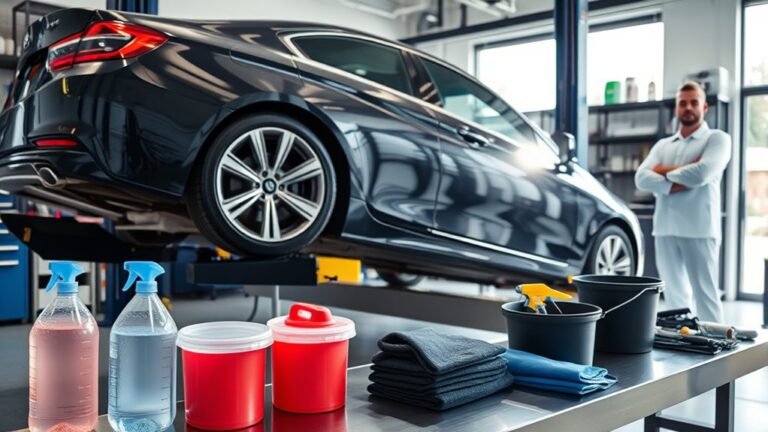
Gathering the right supplies is essential for a smooth and efficient car cleaning process. To get started, make sure you have these three key items:
- Glass cleaner specifically formulated for automotive glass to avoid streaks and damage.
- Microfiber cloths that are soft and lint-free to prevent scratches and ensure a clear finish.
- Bucket of water with a mild soap or cleaning solution for rinsing your cloths and removing grime.
Having these supplies ready means you won’t need to stop mid-cleaning, saving you time and effort. Double-check that your glass cleaner is safe for automotive use and your cloths are clean and dry.
Being prepared makes the whole process smoother and helps you achieve a spotless, streak-free shine.
Remove Loose Debris
Start your car cleaning by removing loose debris like leaves, dirt, and dust from both the exterior and interior surfaces. Use a soft brush or microfiber cloth to gently sweep away particles from the body, windows, and door jambs.
For the interior, vacuum seats, carpets, and mats to get rid of dirt and debris that could scratch surfaces during cleaning. Pay special attention to vents, crevices, and corners where debris tends to gather.
Removing loose debris beforehand helps prevent scratching when you apply cleaning products or wipe surfaces later. It also makes sure your glass cleaner works effectively by not spreading dirt around.
Taking this step creates a cleaner, safer foundation for the rest of your detailing process.
Step-by-Step: How to Apply Glass Cleaner Safely
To apply glass cleaner safely, start by preparing a clean, well-ventilated area.
Spray the cleaner evenly onto the glass surface, avoiding excess to prevent drips.
Then, wipe the glass with a clean cloth to achieve a streak-free finish.
Prepare Cleaning Area
Before applying glass cleaner, make sure your cleaning area is well-prepared to prevent messes and accidents. Start by clearing the space around your car so you don’t knock over anything or spill liquids.
Next, lay down a clean towel or cloth to catch drips and protect nearby surfaces. Finally, open windows or doors to ensure good ventilation and help fumes dissipate safely.
Here are three quick steps to prepare your area:
- Clear the surrounding space to avoid accidents.
- Place protective coverings under your cleaning zone.
- Open windows or doors for proper airflow.
Proper preparation helps minimize messes, keeps your workspace safe, and makes the cleaning process smoother. Take these simple steps before you start, and your task will be easier and more effective.
Apply Glass Cleaner Properly
Applying glass cleaner correctly guarantees a streak-free, safe finish on your car’s windows. Begin by holding the spray bottle about six inches away from the glass.
Spray evenly across the entire surface, focusing on heavily soiled areas. Avoid oversaturating the glass, as excess liquid can drip and cause streaks.
Let the cleaner sit for a few seconds to loosen grime and dirt. Keep the nozzle moving to maintain a uniform application.
If you notice streaks or smudges, don’t rub immediately. Instead, reapply a small amount of cleaner and prepare to wipe with a clean cloth.
Proper application guarantees the cleaner works effectively, making your window cleaning safer and more efficient.
Wipe With Clean Cloth
Once you’ve sprayed the glass cleaner, it’s important to wipe the surface with a clean, soft cloth to remove any remaining dirt and streaks. This step helps ensure a streak-free finish and prevents residue buildup.
To do it right, follow these simple steps:
Use a microfiber cloth to avoid scratching the glass. Wipe in gentle, circular motions to lift dirt and spread the cleaner evenly. Buff the glass with a dry part of the cloth to get a clear, shiny surface.
Keep your motions smooth and consistent, and avoid applying too much pressure. Regularly switch to a fresh part of the cloth to prevent spreading dirt. This quick step guarantees a spotless, streak-free look every time.
Common Mistakes to Avoid When Cleaning Car Windows
Cleaning your car windows might seem straightforward, but making common mistakes can lead to streaks, scratches, or lasting damage. One mistake is using dirty cloths or paper towels, which can smear dirt and cause scratches. Always use a clean, soft cloth or microfiber towel.
Another mistake is applying too much glass cleaner at once; this can drip and leave streaks. Instead, spray lightly and wipe in a circular motion. Using ammonia-based cleaners not designed for automotive glass can damage window tint or cause haziness.
Also, cleaning windows in direct sunlight can cause the cleaner to dry too quickly, leaving streaks. Always clean your windows in shaded areas and avoid harsh scrubbing, which can scratch the glass. Being mindful of these mistakes guarantees a clearer, safer clean.
Tips for Achieving a Streak-Free, Crystal-Clear Finish
Have you ever wondered why some windows look perfectly clear while others still have streaks? Achieving that crystal-clear finish takes a few simple steps.
First, always clean your windows when they’re cool and out of direct sunlight. This prevents the cleaner from drying too quickly and leaving streaks.
Second, use a microfiber cloth instead of paper towels, which can leave lint and cause scratches on the glass.
Third, spray the glass cleaner evenly across the surface, then wipe in a circular motion to lift dirt and eliminate streaks.
Finish by buffing the glass with a dry microfiber cloth to remove any remaining residue.
Keep these tips in mind, and you’ll enjoy streak-free, sparkling windows every time, enhancing your car’s overall appearance.
Cleaning Other Car Surfaces With Glass Cleaner
Glass cleaner isn’t just for windows; it can also be a versatile tool for cleaning various surfaces inside your car. You can use it on your dashboard, console, and door panels to remove dust, fingerprints, and grime.
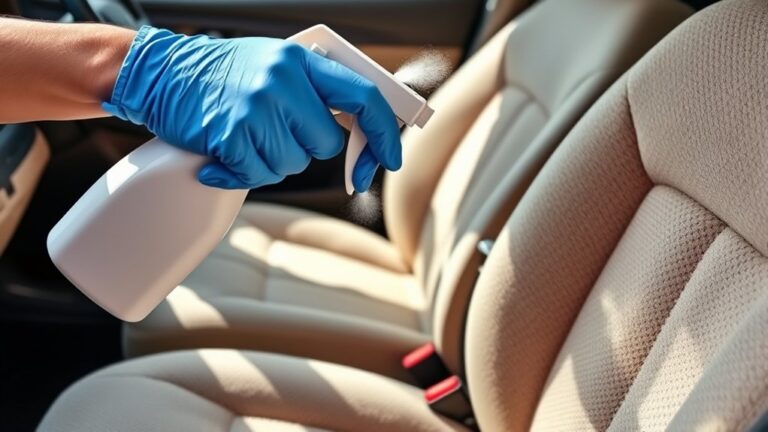
Spray a small amount onto a microfiber cloth—never directly onto surfaces—to avoid oversaturation. Wipe gently to lift dirt without damaging delicate materials.
For plastic and vinyl surfaces, glass cleaner helps restore shine and leaves a streak-free finish. Avoid using it on surfaces that are sensitive to alcohol or ammonia, like leather or certain trims.
Test a small area first to verify compatibility. When used correctly, glass cleaner is an easy, effective way to keep your car’s interior looking fresh and clean.
Maintenance Tips to Keep Your Windows Spotless
Keeping your windows spotless takes regular care and the right methods. Just follow these simple steps to get that crystal-clear look.
Maintaining spotless windows requires regular cleaning and gentle techniques for a streak-free shine.
- Clean regularly: Wipe your windows weekly with a glass cleaner and a microfiber cloth to keep dirt and grime at bay.
- Use proper techniques: Spray the cleaner directly onto the glass and wipe in a circular motion to prevent streaks.
- Avoid harsh materials: Never scrub with abrasive sponges or paper towels, as they can scratch the glass. Stick to soft cloths for a streak-free shine.
Frequently Asked Questions
Can Glass Cleaner Damage Tinted Car Windows?
Yes, glass cleaner can damage tinted car windows if it contains ammonia or harsh chemicals. These ingredients can cause the tint film to peel, bubble, or discolor over time.
To protect your tinted windows, always choose a cleaner labeled safe for tint or use a mixture of water and a small amount of dish soap. Avoid spraying directly onto the tint and use a soft cloth for gentle cleaning.
Is It Safe to Use Glass Cleaner on Car Mirrors?
Yes, it’s generally safe to use glass cleaner on your car mirrors, but you should be cautious. Coincidentally, mirrors reflect what’s behind us, just like cleaning reveals clarity in life.
When you spray, avoid oversaturation and use a soft cloth to wipe gently. Steer clear of harsh chemicals, especially near painted edges, to prevent damage.
With proper care, your mirrors stay clear and functional, enhancing your driving safety.
How Often Should I Clean My Car Windows With Glass Cleaner?
You should clean your car windows with glass cleaner at least once every two weeks for ideal clarity. If you often drive in dusty or polluted areas, consider doing it weekly.
Regular cleaning prevents dirt buildup, reduces streaks, and helps improve visibility. Remember to use a soft cloth or microfiber towel to avoid scratching the glass.
Try to avoid cleaning in direct sunlight, as it can cause streaks and quick-drying residue.
Can Glass Cleaner Be Used on Car Headlights?
You can use glass cleaner on your car headlights, but be careful—it’s a bit of a gamble. Spray it gently and wipe with a soft cloth to avoid damaging the plastic.
For the best results, try a cleaner that’s made specifically for headlights. Glass cleaner might cause haziness or cloudiness over time.
Think of it as walking a fine line—being careful helps keep your headlights clear and bright.
Are There Eco-Friendly Glass Cleaner Options for Cars?
Yes, eco-friendly glass cleaner options for cars do exist. Look for products labeled as biodegradable, non-toxic, and free from harsh chemicals like ammonia and alcohol.
These cleaners often use plant-based ingredients and are safe for both the environment and your car’s surfaces.
You can also make your own eco-friendly cleaner at home with simple ingredients like vinegar and water, which clean glass effectively without harming the planet.
Conclusion
Now that you know how to safely clean your car windows, you’re all set to make your vehicle shine. Using a gentle touch and the right products, like glass cleaner, will make a big difference.
Your car will gleam like a jewel on the road, giving you a clear view ahead. Think of your clean windows as a transparent portal to the world outside.
Keep up this routine, and your car’s sparkle will grow brighter with every journey. A sparkling car attracts attention and makes every drive more enjoyable.