How to Safely Use Glass Cleaner on Car Paint
Many car owners want that perfect, spotless finish but often struggle with how to safely clean their car paint without causing damage. You’re not alone—finding the right products and techniques can be confusing.
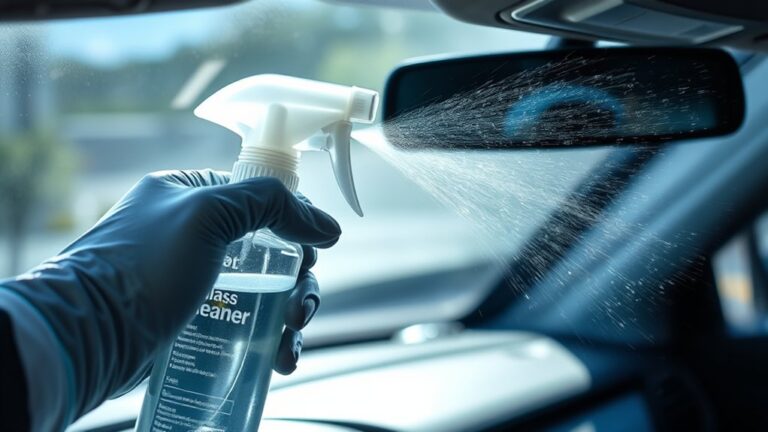
To safely use glass cleaner on your car paint, always choose a formula specifically made for automotive glass that’s free of ammonia and alcohol, and test it on a small area first.
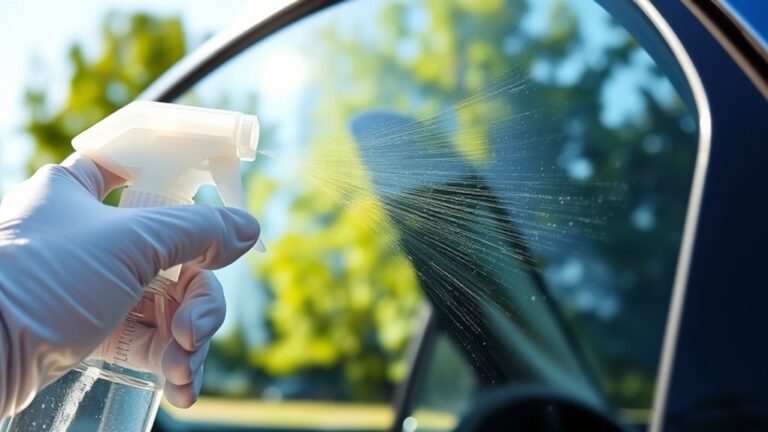
Spray the cleaner onto a microfiber cloth instead of directly on the paint, which helps prevent accidental overspray and damage. Work in small sections with gentle strokes to avoid putting too much pressure on the surface.
Avoid cleaning in direct sunlight, as heat can cause streaks or spots.
Proper preparation and using the right products help protect your paint and keep your car looking its best.
Continue exploring tips to keep your car’s appearance pristine and lasting longer.
Key Takeaways
- Use a glass cleaner that’s specifically made for cars. Avoid any products with ammonia or alcohol, as they can damage the paint.
- Before applying it all over, test the cleaner on a small, hidden spot first. This helps you check for any reactions or damage.
- Spray the cleaner onto a microfiber cloth instead of directly onto the car. This way, you have better control and reduce the risk of overspray.
- When cleaning, use straight, gentle strokes. It’s best to avoid doing this in direct sunlight, as it can cause streaks or spots.
- After cleaning, apply a protective wax or sealant. This helps keep your paint healthy, shiny, and protected for longer.
Why Using Glass Cleaner on Car Paint Can Be Risky
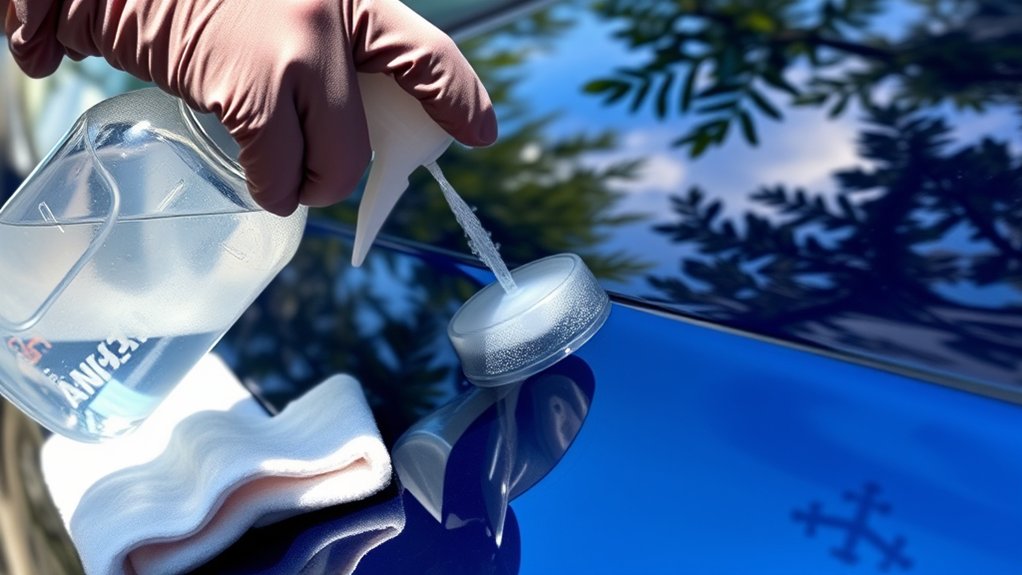
While glass cleaner is great for windows, using it on your car’s paint can be risky because many formulas contain chemicals that may damage or strip away the protective clear coat. This clear coat shields your vehicle’s paint from UV rays, dirt, and corrosion.
When you use a cleaner not designed for automotive surfaces, harsh ingredients like ammonia or alcohol can break down this layer. That can lead to dullness, scratches, or peeling over time.
Repeated misuse can cause your paint to fade or become less resistant to environmental damage. Even if your glass cleaner seems gentle, it’s best to avoid applying it directly to painted surfaces.
Protect your car’s finish by choosing products specifically formulated for automotive use. This helps keep your paint vibrant and intact.
How to Choose the Best Glass Cleaner for Your Car
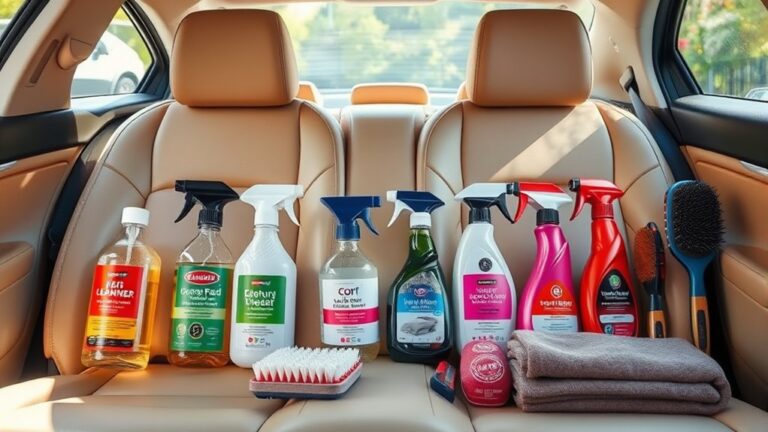
Choosing the right glass cleaner for your car is key to getting that streak-free shine without risking damage to the paint or trim.
Look for a cleaner specifically made for automotive glass, ideally alcohol- or ammonia-free, since these ingredients can harm your paint and tint films.
Check the label for eco-friendly or non-abrasive options, which are gentler on your vehicle’s surfaces.
Consider products with water-repellent features to help improve visibility during rainy days.
Avoid cleaners with harsh chemicals or ammonia, especially if your car has tinted windows.
Reading reviews or asking for trusted recommendations can help you find a reliable brand.
In the end, choosing a safe, effective cleaner made for cars will give you a crystal-clear view without risking damage.
How to Prepare Your Car Surface Before Cleaning
Before you start cleaning, it’s essential to thoroughly rinse your car’s surface to remove loose dirt, dust, and debris. Use a gentle stream of water to wash the entire vehicle, paying attention to crevices and hard-to-reach areas.
This step prevents scratching the paint when you wipe or scrub later. If there’s stubborn dirt or grime, use a soft brush or microfiber cloth to loosen it without scratching.
Dry the surface with a clean microfiber towel to prevent water spots. Check for any remaining dirt or debris and remove it before applying the glass cleaner.
Proper preparation guarantees your cleaning process is safe and effective, helping to maintain your car’s paintwork and keep the glass cleaner working efficiently.
How to Safely Apply Glass Cleaner to Your Car’s Paint
Choose a gentle glass cleaner that’s safe for your car paint, and always test it on a small area first.
Apply the cleaner with a soft cloth or sponge, using light, even strokes to prevent damage.
Proper techniques help protect your paint while keeping your car shiny and streak-free.
Choosing Gentle Cleaners
When choosing a glass cleaner for your car, look for one labeled as gentle or made specifically for automotive use. These help protect your paint and clear coat from damage.
Pick products with mild ingredients and steer clear of harsh solvents or ammonia-based formulas. This way, you keep your car looking great without risking harm.
To make it easier, here’s a quick comparison table of common cleaner options:
| Cleaner Type | Key Ingredient | Ideal For |
|---|---|---|
| Automotive Glass Cleaner | Water, mild surfactants | Regular use on cars |
| All-Purpose Cleaner | Mild detergents | Light dirt and smudges |
| Ammonia-Based Cleaner | Ammonia, solvents | Glass surfaces only |
| Natural Cleaners | Plant-based extracts | Eco-friendly choice |
| DIY Solutions | Vinegar, water | Light cleaning |
Choosing the right gentle cleaner helps protect your paint while keeping your windshield clear.
Proper Application Techniques
To safely apply glass cleaner to your car’s paint, start by rinsing the vehicle thoroughly with water to remove loose dirt and debris. This helps prevent scratching during cleaning.
Next, spray the glass cleaner onto a clean microfiber cloth instead of directly onto the paint. Avoid oversaturating the cloth; a light, even coat is all you need.
Work in small sections, gently wiping using straight, overlapping strokes. Don’t press too hard—let the cleaner do the work.
After cleaning each section, buff and remove any residue with a dry microfiber cloth. This ensures an even application and reduces streaks or damage.
Always avoid applying glass cleaner in direct sunlight, as heat can cause it to dry too quickly and leave marks.
Tips to Prevent Scratches and Dullness When Cleaning
To keep your car’s paint looking its best, always use soft cloths and avoid abrasive products that can cause scratches. Regular, gentle washing helps prevent dullness and keeps the surface smooth.
Use Soft Cloths
Use soft, microfiber cloths to gently lift dirt and grime from your car’s paint. These cloths help prevent scratches and dullness by avoiding abrasive surfaces. When cleaning, keep these tips in mind:
- Use a clean cloth each time to avoid spreading dirt.
- Lightly dampen the cloth with glass cleaner; don’t oversaturate it.
- Wipe in straight, gentle strokes rather than circular motions to minimize swirl marks.
Choosing the right cloth is key to keeping your car’s finish in top shape. Microfiber cloths are great at trapping dirt without scratching the paint. Remember, a soft cloth combined with gentle pressure will keep your car shiny and scratch-free, giving you a smooth, professional-looking clean every time.
Avoid Abrasive Products
Avoid abrasive products at all costs, as they can cause scratches and dull your car’s paint over time. Steer clear of scrubbing pads, steel wool, or harsh scrubbers that can remove the clear coat and damage the paint’s surface.
Even some household cleaners labeled as abrasive can harm your vehicle’s finish. Instead, opt for soft, microfiber cloths or gentle sponges designed for delicate surfaces.
If you need to remove stubborn dirt or grime, use a mild cleaning solution and work slowly, applying light pressure. Remember, aggressive scrubbing might seem effective initially, but it dulls the paint and makes your car look worse.
Protect your vehicle’s appearance by sticking to gentle, non-abrasive products whenever you clean.
Wash Regularly and Gently
Regularly washing your car helps prevent dirt and grime from building up, which can scratch or dull the paint if left unattended. When washing, be gentle to avoid causing any damage. Use a soft sponge or microfiber cloth and wash in straight lines rather than circles, as circles can trap dirt.
Here are three tips to keep your car looking its best:
- Rinse thoroughly before washing to remove loose dirt.
- Use a mild car-specific soap, avoiding household cleaners.
- Dry with a clean microfiber cloth to prevent water spots.
Common Mistakes That Can Damage Your Car’s Paint
Using the wrong cleaning techniques or products can easily damage your car’s paint. One common mistake is using abrasive materials like steel wool or rough sponges, which scratch the surface.
Another error is applying glass cleaner directly onto hot paint, causing streaks or chemical damage. Plus, neglecting to rinse thoroughly before cleaning can trap dirt and lead to scratches.
Here’s what to avoid:
| Mistake | Consequence |
|---|---|
| Using abrasive scrubbers | Scratches and dull paint |
| Applying cleaner on hot surface | Chemical etching and streaks |
| Not rinsing before cleaning | Dirt trapped causing scratches |
Stay gentle, use the right tools, and follow proper cleaning steps to protect your car’s finish.
Safe Alternatives to Glass Cleaner for Car Paint
In regard to cleaning your car’s paint safely, opting for gentle alternatives to glass cleaner can make a big difference. These options help protect your paint while keeping it spotless.
- Mild Car Wash Soap Use a pH-balanced soap designed for cars. It cleans well without stripping wax or harming the finish.
- Vinegar and Water Solution Mix equal parts vinegar and water for a natural, non-abrasive cleaner. It’s great for removing grime without damaging paint.
- Microfiber Cloths Use soft microfiber cloths instead of rough sponges. They lift dirt gently and prevent scratches during cleaning.
Choosing these alternatives helps your car stay shiny and protected over time.
How to Maintain Your Car’s Paint After Cleaning
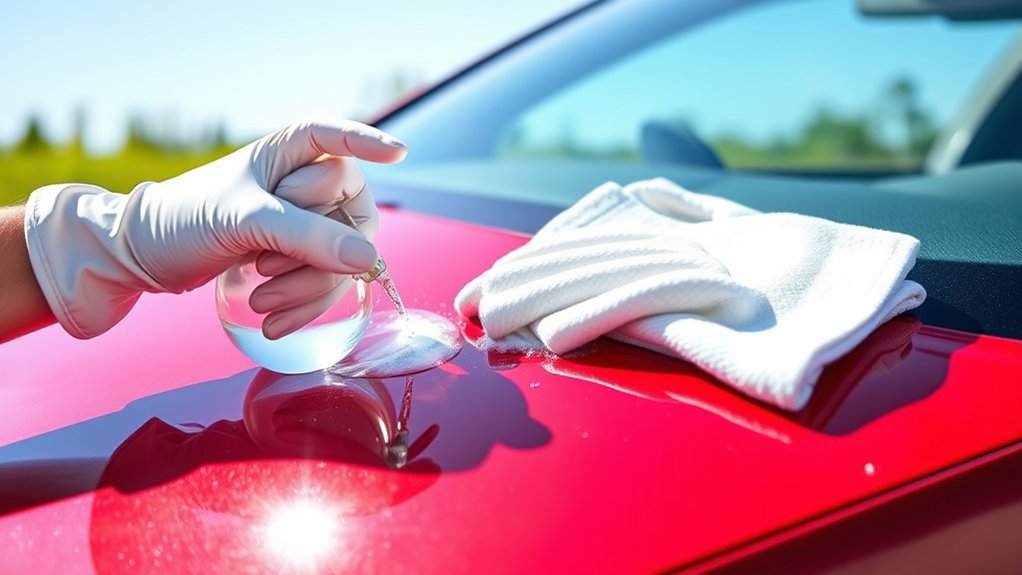
After cleaning your car’s paint, applying a good wax or sealant is key to protecting the finish and keeping it shiny. It creates a barrier against dirt, UV rays, and environmental contaminants. Regular application helps your paint stay fresh and reduces damage over time.
When choosing a product, think about factors like durability and how easy it is to apply.
| Product Type | Benefits |
|---|---|
| Wax | Adds shine, easy to apply |
| Sealant | Longer-lasting protection |
| Ceramic Coating | Superior durability, gloss |
Keep your car looking great by washing it regularly, avoiding harsh chemicals, and reapplying wax or sealant every few months. Proper care makes sure your paint stays vibrant and protected.
Frequently Asked Questions
Can Glass Cleaner Damage Clear Coat or Paint Finish?
Glass cleaner can damage your clear coat or paint finish if it contains harsh chemicals like ammonia or alcohol, especially if you use it often. These ingredients can strip away protective layers, leading to dullness or scratches.
To keep your car looking its best, choose a gentle, automotive-specific glass cleaner. Avoid spraying it directly on painted surfaces to prevent any potential damage.
Always rinse thoroughly and dry your car afterward. This helps maintain its shine and keeps the finish looking fresh.
How Often Should I Clean My Car’s Paint With Glass Cleaner?
You should clean your car’s paint with glass cleaner only when necessary, about once every few weeks or when you notice dirt, smudges, or fingerprints.
Overusing it can strip away wax or damage the clear coat. Always spray the cleaner onto a soft cloth first, then gently wipe the surface.
Regular washing with car-specific products is better for maintaining your paint’s shine and protection over time.
Are There Specific Brands of Glass Cleaner Safe for Automotive Paint?
Yes, some brands are safer for automotive paint. Look for glass cleaners labeled as safe for automotive use, ammonia-free, and gentle enough for delicate surfaces.
Brands like Meguiar’s, Invisible Glass, and Chemical Guys offer products specifically designed for cars. Always read labels carefully, avoid harsh chemicals, and test a small area first.
What Signs Indicate Glass Cleaner Has Damaged My Car’s Paint?
You’ll notice dull, faded, or discolored patches on your car’s paint if glass cleaner has caused damage. Sometimes, clear coat peeling or a rough texture appears, which means the cleaner may have stripped away protective layers.
If you see streaks, spots, or persistent smudges that don’t come off easily, it’s a sign the paint might be compromised. Regularly check your car’s surface after cleaning so you can catch these issues early.
Is It Necessary to Wash the Car Before Using Glass Cleaner?
Yes, you should wash your car before using glass cleaner. Dirt, dust, and debris can scratch the paint when you apply the cleaner, so washing removes these particles.
Use a gentle car-specific soap and water, then rinse thoroughly. Dry the surface with a microfiber towel to prevent water spots.
Once clean and dry, you can confidently apply glass cleaner, ensuring a streak-free, damage-free finish.
Conclusion
So, next time you’re tempted to grab that glass cleaner for your car’s paint, remember: it’s like using a chainsaw to trim a bonsai. Sure, it might work… eventually. But why risk turning your pristine paint into a scratched-up masterpiece of regret?
Stick to the safe stuff, prep properly, and treat your car like royalty—because your ride deserves more than a DIY disaster. Trust me, your paint will thank you—probably with a shiny, scratch-free smile. Using glass cleaner on car paint might seem quick and easy, but it can cause more harm than good.